


“These Tiny Killers Are Turning Soil Toxic”: Biodegradable Microplastics Threaten to Devastate Agricultural Ecosystems Across the Nation
 By
Rhys Vaughan
By
Rhys Vaughan
| IN A NUTSHELL |
|
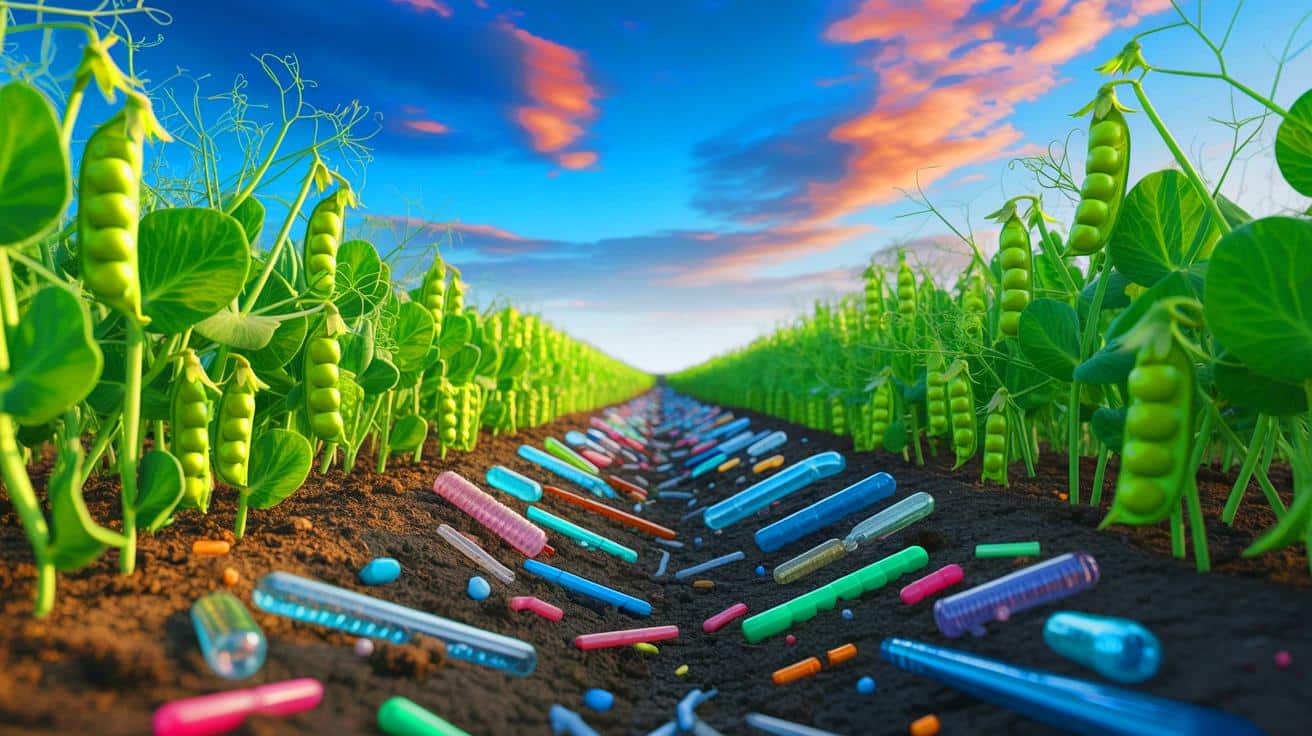
In the quest to combat the growing menace of plastic pollution, biodegradable plastics have emerged as a promising alternative. Yet, their effects on agricultural ecosystems remain a topic of intense scrutiny. A recent study delved into this complex issue, comparing the impacts of traditional microplastics, such as polypropylene (PP) and polyethene (PE), with biodegradable variants like polycaprolactone (PCL) and polybutylene adipate terephthalate (PBAT). By examining how these materials influence soil health and plant growth, the research offers fresh insights into an issue that affects food security and environmental sustainability.
The Rising Tide of Plastic Pollution in Agriculture
Plastic pollution is a pervasive threat that has infiltrated various sectors, with agriculture being no exception. The widespread use of plastic films in farming has resulted in an alarming accumulation of microplastics in the soil. These tiny plastic fragments can compromise the integrity of soil structure, disrupt essential microbial activities, and hinder nutrient absorption in plants. As a result, the health of agricultural ecosystems is increasingly under threat. The rising levels of plastic pollution have significant implications, not only for crop productivity but also for the broader ecological balance. These concerns underscore the urgent need to explore sustainable alternatives that can mitigate the adverse effects of plastic pollution.
Benefits of Biodegradable Microplastics for Soil Health
The study highlighted the potential advantages of biodegradable microplastics in agricultural settings. During the experiment, researchers observed notable differences in pea growth when exposed to varying doses of biodegradable microplastics versus traditional ones. PBAT, in particular, demonstrated beneficial effects during the seedling stage, promoting a 35.3% increase in root biomass with a 0.1% concentration. This enhancement is likely due to PBAT’s ability to stimulate microbial growth, facilitating better nutrient uptake by plant roots.
In contrast, traditional microplastics like PP and PE showed complex effects on plant growth. While some concentrations led to a significant decrease in biomass, others prompted substantial growth during different stages. These variations are attributed to the distinct physical properties of traditional microplastics, which can alter soil structure and affect plant growth dynamics. The findings suggest that biodegradable microplastics might offer a more sustainable approach to maintaining soil health and promoting plant growth.
Ecological Implications of Microplastic Usage
From an ecological perspective, biodegradable microplastics present unique benefits by acting as decomposable carbon sources that enhance soil nutrient content. They promote organic matter decomposition and nutrient cycling, crucial for maintaining healthy soil ecosystems. In contrast, traditional microplastics, while providing additional habitats for microorganisms, have a less stable impact on microbial biomass due to their resistance to degradation.
The study also revealed intriguing changes in bacterial and fungal networks, indicating that while all microplastic treatments increased network complexity, the material exchange between microorganisms remained largely unaffected. However, the depletion of easily degradable carbon could lead to competition between plants and microorganisms for limited resources, impacting plant growth strategies. These findings highlight the need to consider the long-term ecological impacts of microplastics on agricultural ecosystems.
The Need for Long-Term Research on Microplastic Effects
Although the study provided valuable insights into the short-term effects of microplastics on agricultural systems, the researchers emphasized the necessity for long-term investigations. The true toxicity of microplastics may not fully manifest within the constraints of short-duration experiments. Future research should focus on extended field experiments, particularly involving leguminous crops that rely on biological nitrogen fixation, to assess potential risks comprehensively.
Understanding the long-term implications of both traditional and biodegradable microplastics is crucial for developing effective strategies to mitigate their impact on agricultural ecosystems. Such studies will provide the data needed to inform policy decisions and guide the adoption of sustainable agricultural practices that protect both food security and environmental health.
As we continue to grapple with plastic pollution’s impact on agriculture, the question remains: How can we balance the benefits of biodegradable plastics with their potential risks to ensure sustainable agricultural practices for future generations?
Continue reading