




| IN A NUTSHELL |
|
The tragic death of two-year-old Awaab Ishak in December 2020 unveiled a grim reality about housing conditions that many had been aware of but few had acted upon. Awaab’s untimely demise due to mold exposure in his family’s council flat in Rochdale was not merely an isolated incident but a manifestation of systemic failures across housing policies and regulations. This heart-wrenching event has since catalyzed significant legislative changes aimed at safeguarding tenants and ensuring healthier living environments. The creation of Awaab’s Law marks a pivotal moment in housing reform, aiming to prevent such tragedies from reoccurring.
Exposing Systemic Failures in Housing
Awaab’s death did not happen in a vacuum. It was a consequence of deep-rooted issues within the housing system. Rochdale Boroughwide Housing (RBH), the landlord responsible for Awaab’s flat, had a policy that effectively left tenants vulnerable. They halted repairs when legal claims were pending. This policy, combined with outdated housing standards and inadequate staff training, contributed to the neglect that led to Awaab’s death. Staff frequently attributed mold issues to “tenant lifestyle” rather than addressing structural problems like poor ventilation or insulation.
Following Awaab’s death, the Housing Ombudsman criticized the systemic neglect and silence. The regulators only took significant action after the inquest, which downgraded RBH’s governance and initiated a special investigation. The public outcry led to the removal of RBH’s chief executive and the imposition of a recovery plan. However, the most enduring impact came not from these administrative changes but from legislative action in Parliament.
The Birth and Impact of Awaab’s Law
In response to the coroner’s Prevention of Future Deaths report, ministers acted swiftly. By February 2023, Awaab’s Law was integrated into the Social Housing (Regulation) Act 2023. Effective from October 2025, this law mandates landlords to address serious hazards like mold within strict timelines. They must investigate within 10 working days, provide written findings to tenants within three days, and make properties safe within five days. Emergency hazards require even swifter action, with a 24-hour deadline for resolution.
The law’s strict timelines are designed to turn delay into accountability, ensuring that no tenant is left waiting while their health is at risk.
The legislation aims to instill a sense of urgency and responsibility among landlords, fundamentally altering how housing safety is managed and enforced.
The Lurking Danger of Mold
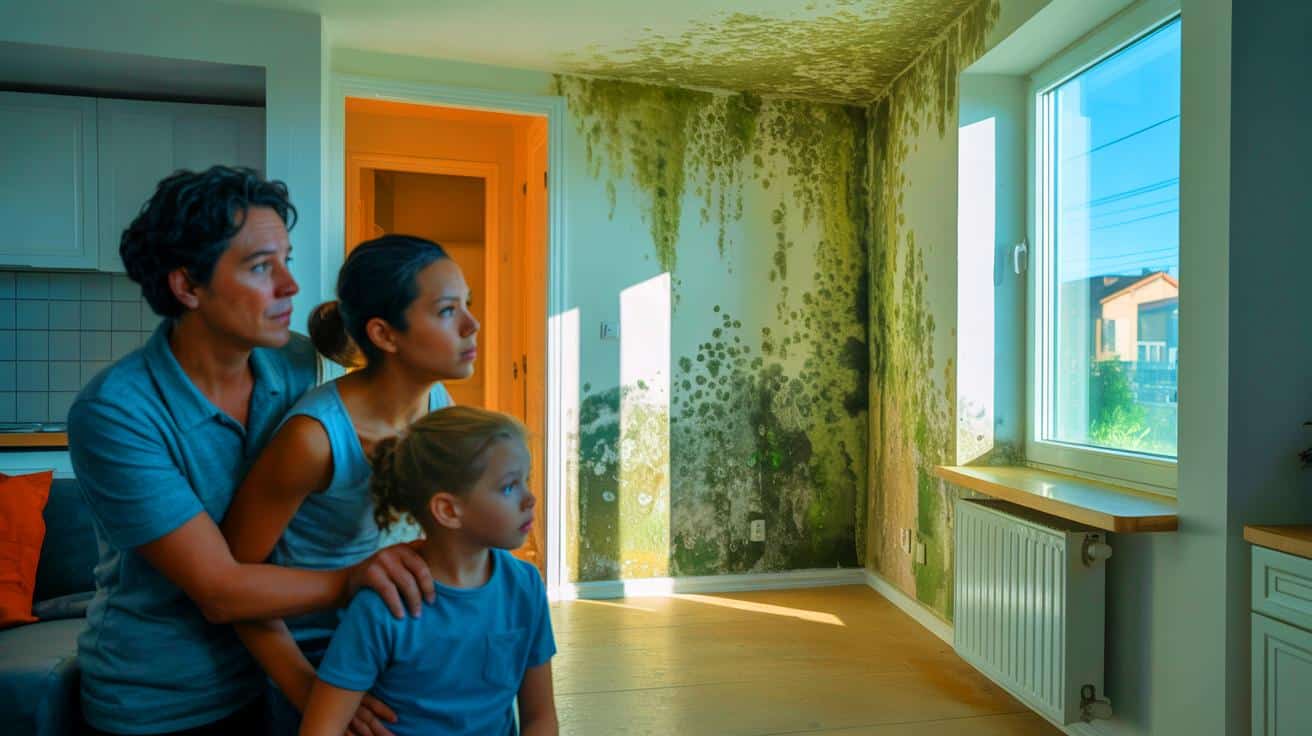
Mold is more than just an unsightly patch on a wall. It releases microscopic spores and toxins that can have severe health implications. These spores can worsen asthma, trigger chronic bronchitis, and cause respiratory infections. In some rare cases, they expose residents to carcinogenic mycotoxins. Children are particularly vulnerable due to their developing lungs and faster breathing rates. Studies indicate that children living in damp homes are 50% more likely to develop asthma.
The invisible threat posed by mold necessitates proactive measures to ensure the health and safety of residents. Awaab’s tragedy highlights the critical need for timely intervention and effective solutions to combat this silent killer.
Innovative Solutions to a Persistent Problem
While Awaab’s Law sets the necessary legal framework, technological innovations offer practical solutions to prevent mold growth. New protective coatings and materials can inhibit microbial growth on surfaces. Digital sensors provide real-time monitoring of humidity and temperature, alerting landlords to potential mold risks. AI-driven analytics predict areas most susceptible to dampness, enabling proactive measures.
Among these innovations, Spectrum Blue’s Q-Field stands out. This photocatalytic coating transforms walls into self-defending barriers, killing bacteria, viruses, fungi, and mold spores upon contact. Described as an “immune system for buildings,” it represents a significant advancement in creating healthy living environments.
Beyond Legislation: A Call for Dignity and Change
Awaab’s Law represents a legislative triumph, but its true test lies in enforcement and implementation. The law is a critical step toward ensuring that no child suffers due to substandard housing conditions. However, it must be complemented by technological advancements and a commitment to continuous improvement in housing standards.
As society reflects on Awaab’s legacy, one must ask: How can we ensure that housing policies evolve to protect the most vulnerable among us, and what role will innovation play in shaping the future of safe and dignified living environments?