




| IN A NUTSHELL |
|
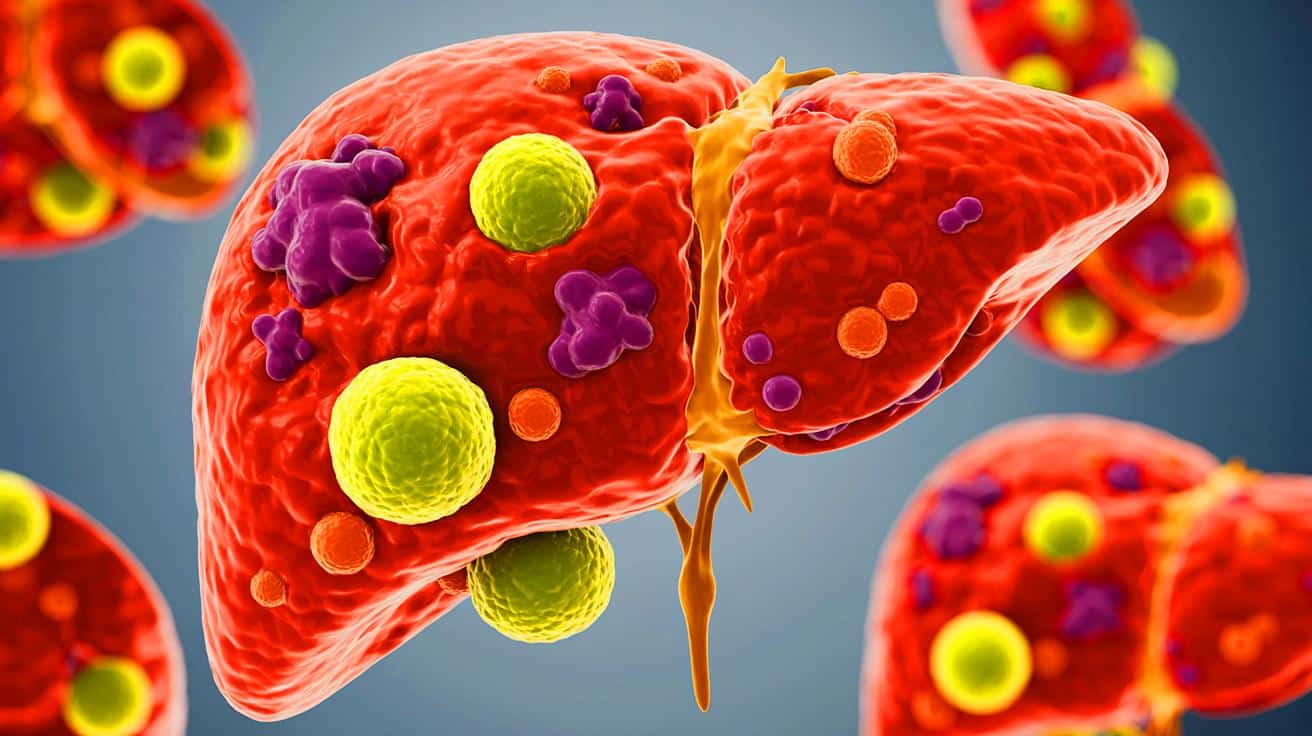
Per- and polyfluoroalkyl substances, or PFAS, have long been a cause of concern among scientists due to their stubborn persistence in the environment and potential health impacts on humans. These chemicals, often referred to as “forever chemicals,” are found in everyday items such as nonstick cookware, waterproof clothing, and food packaging. Recent research from the Keck School of Medicine of USC has delved deeper into the effects of PFAS on human liver cells, revealing how they can lead to fat accumulation, immune system interference, and even cancer-related cellular changes. The study’s findings provide a clearer understanding of the risks that these chemicals pose to human health, particularly focusing on the liver, the body’s primary detoxifying organ.
Understanding the Liver’s Vulnerability
The liver plays a crucial role in maintaining the body’s health by filtering blood and processing harmful substances. This essential function, however, also makes it particularly susceptible to damage from persistent environmental toxins like PFAS. These substances can enter the bloodstream through various sources, including contaminated drinking water and certain consumer products. Once in the body, PFAS accumulate in tissues, disrupting normal cellular functions.
For years, researchers have noted a correlation between PFAS exposure and various health issues, including liver disease and an increased risk of cancer. However, the mechanisms behind these associations have remained elusive. The recent study by USC researchers sheds light on how PFAS specifically harm liver cells, offering insight into the potential long-term consequences of exposure to these chemicals.
“Heart-Stopping Breakthrough”: Researchers Claim New Hope for Fighting Rare and Deadly Lung Ailment
Innovative Laboratory Techniques
To better understand the impact of PFAS on liver cells, the USC research team employed an advanced 3D model known as a spheroid. This model, constructed from donated human liver cells, accurately replicates the structure and behavior of a living liver, providing scientists with a detailed view of how PFAS affect the organ on a cellular level. The study focused on four PFAS compounds commonly found in human blood: PFOA, PFHxS, PFOS, and PFNA.
Over a period of seven days, these liver spheroids were exposed to each chemical. Following exposure, the spheroids were broken down into single cells to allow for genetic and metabolic analysis. This approach enabled the researchers to observe the specific ways in which each chemical disrupted cellular processes, providing valuable insights into the potential health risks associated with PFAS exposure.
Bacteria’s Last Stand: Scientists Unveil Groundbreaking Weapon Against Drug Resistance
Variable Effects of Different PFAS
The study’s findings highlighted that not all PFAS compounds operate in the same manner, yet none are without harm. PFOA and PFHxS were both associated with increased fat accumulation in liver cells, albeit through different biological pathways. While PFOA increased fat production, PFHxS inhibited fat release, ultimately leading to cells being overloaded with fat.
In contrast, PFOS and PFNA were linked to changes in cellular activity associated with cancer risk. Particularly concerning was PFNA, which affected more than 60% of liver cells, disrupting pathways related to inflammation, oxidative stress, and DNA repair. These findings suggest that long-term exposure to these chemicals could result in chronic liver issues, with interference in immune processes and communication between liver cells observed across all four chemicals.
Exploring Sex-Specific Differences
One of the study’s more surprising outcomes was the discovery of sex-specific differences in how liver cells responded to PFAS exposure. The research indicated that PFOA had a more pronounced effect on female liver cells, while PFOS caused greater damage in male cells. These findings suggest that the development of treatments for PFAS-related liver damage may need to be tailored to account for such differences.
The study also opens the door to potential medical interventions. Some existing medications that regulate fat processing in the liver might be repurposed to address conditions caused by PFAS exposure. However, the primary focus remains on prevention, as reducing exposure to these persistent chemicals is the most effective way to safeguard liver health.
Future Directions in PFAS Research
The insights gained from this study underscore the importance of continuing research into PFAS and their health impacts. Scientists are now examining the combined effects of multiple PFAS on liver cells, which may better reflect real-world exposure scenarios. As our understanding of these chemicals deepens, it becomes increasingly clear that PFAS are not only persistent in the environment but also in the human body.
Given the significant implications for human health, particularly concerning liver function, the question arises: how can society effectively address the challenges posed by these “forever chemicals” in order to protect public health in the years to come?