




| IN A NUTSHELL |
|
In a significant stride toward addressing persistent environmental pollutants, Claros Technologies has successfully completed a large-scale commercial optimization run of its ClarosTechUV platform. This achievement, conducted at Daikin America’s facility in Decatur, Alabama, marks a pivotal moment in the fight against per- and polyfluoroalkyl substances (PFAS). These chemicals, often termed “forever chemicals” due to their persistence in the environment, pose serious health and ecological risks. Claros’s breakthrough moves the technology from pilot stages to full commercial readiness, setting a new standard for industrial PFAS destruction and offering a promising solution for sustainable industry practices.
ClarosTechUV’s Impact on PFAS Destruction
Claros Technologies’ recent success with its ClarosTechUV platform highlights a crucial advancement in environmental technology. This platform is designed to tackle the challenge of PFAS, a group of man-made chemicals that have been widely used in various industries for their resistance to heat, water, and oil. However, their durability also makes them difficult to break down, resulting in long-term environmental contamination. The ClarosTechUV platform has demonstrated its ability to destroy PFAS compounds effectively, which is a significant leap forward in mitigating the adverse effects these substances have on ecosystems and human health.
The optimization run treated more than 170,000 gallons of industrial process water, achieving over 99.99% destruction of all targeted PFAS compounds. This includes long-chain, short-chain, and ultra-short-chain variants. The system’s ability to maintain high destruction rates at high flow rates is noteworthy, showcasing its efficiency and reliability under industrial conditions. This achievement not only proves the system’s effectiveness but also its potential scalability for broader applications, offering a viable path forward for industries looking to reduce their environmental footprint.
Key Features of the ClarosTechUV System
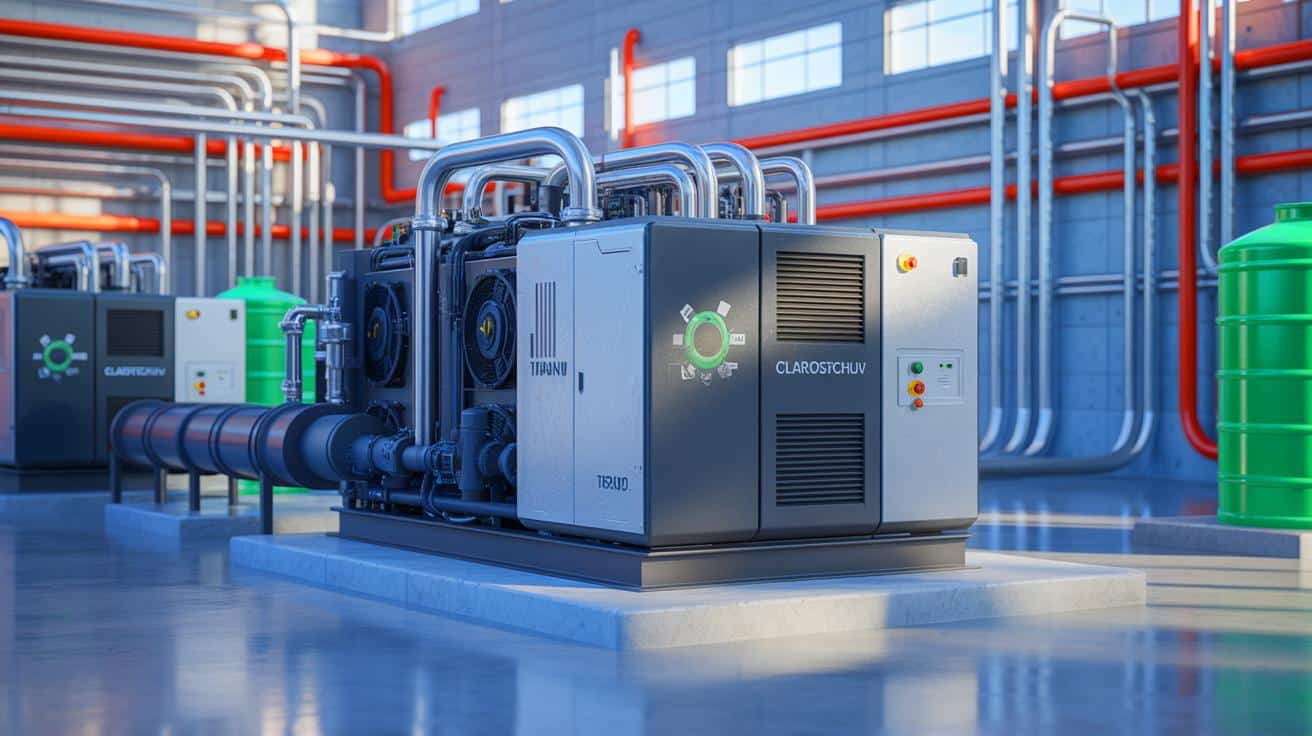
The ClarosTechUV system stands out due to several innovative features that enhance its effectiveness in PFAS destruction. Among these is its capability to process high volumes of contaminated water with a compact design that can be integrated into existing facilities. This compact footprint makes it accessible for various industrial settings, allowing companies to implement PFAS destruction without the need for extensive infrastructure changes. Furthermore, the system’s use of UV-based technology ensures safe operation, a critical factor in adopting new technologies at an industrial scale.
Another significant advantage of the ClarosTechUV platform is its high throughput processing capability, which allows it to handle large volumes of water quickly and efficiently. This feature is essential for industries that produce substantial amounts of wastewater, ensuring that PFAS destruction can keep pace with production demands. The system’s energy efficiency also contributes to its sustainability, reducing the overall environmental impact of the PFAS destruction process. Together, these features position the ClarosTechUV platform as a leading solution for industries aiming to adopt more sustainable manufacturing practices.
Transitioning from Pilot Success to Commercial Readiness
Claros Technologies has successfully transitioned its ClarosTechUV platform from pilot success to commercial readiness, a critical step in validating the technology’s applicability in real-world industrial settings. This transition involved extensive testing in active manufacturing environments, proving the platform’s scalability, reliability, and cost-effectiveness. By collaborating with industrial partners like Daikin America, Claros has processed over half a million gallons of PFAS-containing water, consistently delivering verified destruction performance across varying concentrations and water chemistries.
This accomplishment sets the stage for broader adoption of the ClarosTechUV platform across industries. As companies face increasing pressure to address environmental concerns, technologies like ClarosTechUV offer a practical and effective solution for reducing PFAS pollution. The platform’s successful deployment in a commercial setting underscores its potential to transform industrial practices and contribute to a more sustainable future. As more industries recognize the importance of environmental stewardship, the demand for proven technologies like ClarosTechUV is likely to grow, paving the way for widespread PFAS remediation efforts.
Advancing Toward Full-Scale Installation
With the commercial optimization of the ClarosTechUV platform complete, Claros Technologies and Daikin America are now focused on advancing toward the first full-scale industrial PFAS destruction installation. This next phase involves detailed engineering and system specifications, with the goal of establishing a model for future installations. The partnership between Claros and Daikin underscores a shared commitment to sustainability and innovation, as both companies aim to lead the industry in closing the PFAS loop and reducing long-term environmental risks.
The successful implementation of the ClarosTechUV system at a full scale could set a precedent for other industries, demonstrating the feasibility and benefits of adopting advanced PFAS destruction technologies. As more companies follow suit, the cumulative impact on reducing PFAS pollution could be substantial, contributing to improved environmental and public health outcomes. The collaboration between Claros and Daikin highlights the potential of partnerships in driving technological advancement and environmental progress, setting a standard for other industries to emulate.
As Claros Technologies and its partners continue to push the boundaries of PFAS destruction technology, the implications for industrial practices and environmental health are profound. The successful transition from pilot projects to commercial readiness marks a significant achievement, yet the journey toward widespread adoption is just beginning. How will industries adapt to these advancements, and what role will collaboration play in shaping a more sustainable future?