



| IN A NUTSHELL |
|
The announcement of over $4 million in funding for British businesses focused on next-generation aviation technology marks a significant leap forward in the global aerospace industry. Spearheaded by the UK government’s Future Flight program and executed by Innovate UK, this initiative aims to solidify the UK’s leadership in aviation and the burgeoning field of drones and unmanned aircraft systems. The investment is expected to transform various sectors, including healthcare and energy, by enhancing logistics and reducing operational costs. Beyond its immediate technological impacts, the funding is set to generate skilled jobs across the UK, thereby bolstering regional economies and contributing to the national Plan for Change.
Strengthening the UK’s Aerospace Leadership
The UK’s commitment to enhancing its aerospace capabilities is evident in this funding announcement, which forms part of a broader strategy to invest $13.9 billion in research and development. This financial commitment underscores the government’s ambition to maintain its position at the forefront of aerospace innovation. Industries such as life sciences, green energy, and engineering stand to benefit significantly, as do the careers that will emerge from this robust research ecosystem.
Aviation Minister Keir Mather emphasized the transformative potential of this investment, stating, “We’re backing the next generation of British aviation businesses whose transformative technologies will reshape how we live and work in the years to come.” He further highlighted that emerging technologies like drones are pivotal in crafting a greener, more efficient transport system. Such advancements do not merely promise environmental benefits; they also offer practical advantages for the public sector and businesses by saving time and money, while supporting high-quality jobs nationwide.
Key Projects in Advanced Aviation Technology
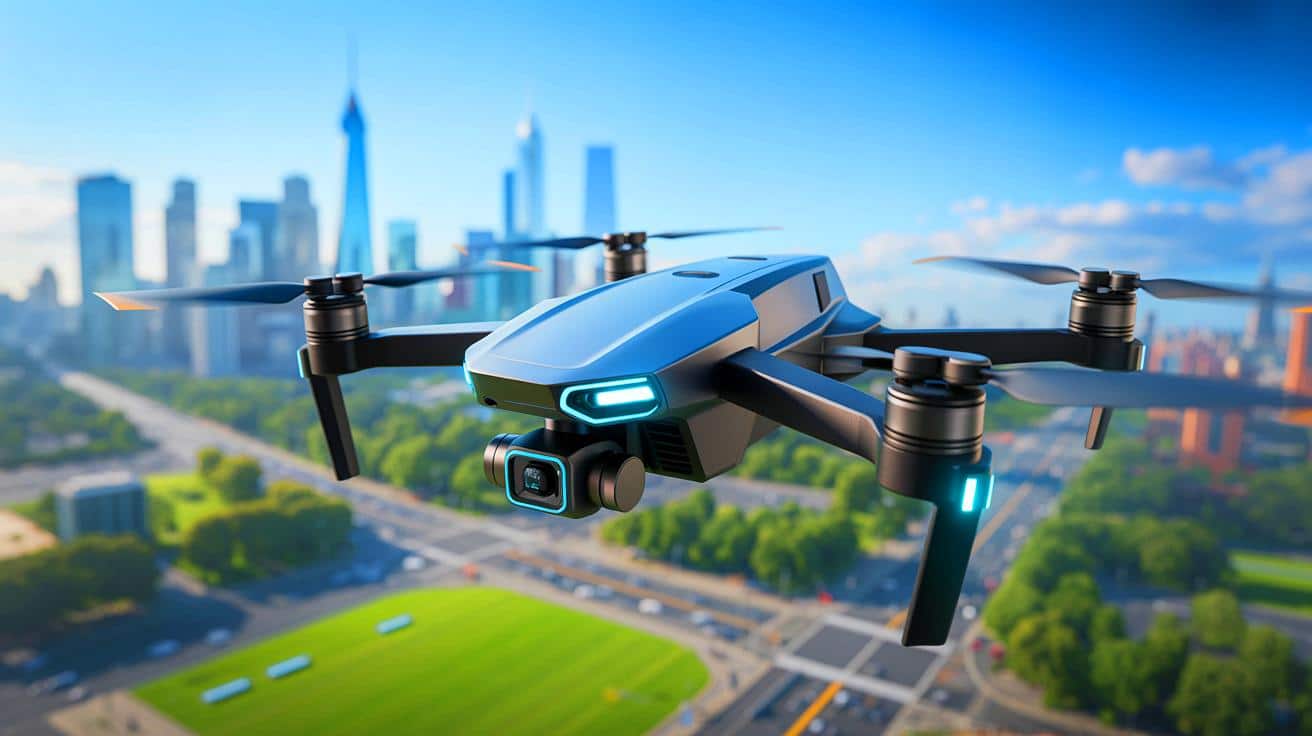
Several groundbreaking projects have been earmarked for funding to develop advanced aviation technology. Among them is Beyond Restoration, a project that will use long-range, heavy-lift drones to deliver environmental materials to remote and ecologically sensitive areas, thereby revolutionizing land restoration efforts across the UK. Another notable initiative is the London Health Bridge Project, the nation’s leading medical drone delivery service. With the new funding, this project aims to dramatically scale up its operations, increasing medical sample deliveries from 1,000 to 50,000 per month.
Simon Masters, Deputy Challenge Director for Future Flight at Innovate UK, remarked,
Three CEOs Reveal “We Won’t Need Employees Soon” Predicting a Massive Workforce Overhaul Ahead
“These ambitious new projects highlight the strength of the sector and its diverse applications, from reducing emissions, advancing healthcare delivery, and protecting our environment.”
By focusing on regional adoption, these projects are set to drive faster, more impactful growth, delivering societal benefits across the UK.
Supply Chain Crisis: ‘They Knew Since March’ and How It Secretly Polarizes Europe’s Economic Future
Airspace Modernisation and Sustainable Aviation Fuel
As part of its strategy to unlock growth within the aerospace sector, the UK government is also focused on airspace modernization. A key component of this effort is the development and use of sustainable aviation fuel (SAF), supported by the Sustainable Aviation Fuel Bill. This legislation aims to boost green fuel production in the UK, facilitating cleaner flights and advancing the country’s environmental goals.
The government has allocated $2.3 billion over the next decade to the Aerospace Technology Institute program. This funding will support the manufacturing of newer, more efficient electric aircraft and next-generation zero-emission aircraft. Additionally, projects centered on vertical take-off and landing aviation technology will benefit from this financial backing, paving the way for innovative advancements in the aerospace field.
Economic and Social Impacts of Aviation Innovation
The economic and social impacts of these investments are expected to be far-reaching. As the UK strengthens its position as a leader in aerospace innovation, the ripple effects will extend beyond technological advancements. The creation of skilled jobs across various regions will stimulate local economies, contributing to a more balanced economic landscape.
Moreover, the adoption of cutting-edge aviation technologies promises to enhance public services and private sector operations, offering more efficient and cost-effective solutions. The emphasis on sustainable practices aligns with global environmental goals, further enhancing the UK’s reputation as a leader in green technology and sustainable development.
As the UK embarks on this ambitious journey to redefine its aviation landscape, the potential for transformative change is immense. With a focus on sustainability and technological innovation, the nation is poised to set new benchmarks in the aerospace industry. How will these advancements shape the future of global aviation, and what new opportunities will they unlock for industries around the world?