

Russian guided bomb kills 30 beside buses in Kramatorsk
Bus services around the Donetsk city were halted after the blast, and a local official said later drone attacks slowed the rescuers who reached the scene.
 By
Tomos Griffiths
By
Tomos Griffiths
On Thursday morning in Kramatorsk, a city in Ukraine’s Donetsk region, a Russian guided bomb blew up next to public buses full of passengers. Ukrainian authorities said the blast left 30 people dead. The same day, the UK foreign secretary was in Ukraine and announced new British sanctions on Russia.
In brief
- Ukrainian authorities said the blast left 30 people dead.
- These are people killed by the Russian army”
- He said: “Supplies of anti-ballistic capabilities, ammunition for our combat aircraft, and investments in interceptors, all of this is directly helping save lives every day.”
What happened in Kramatorsk
According to The Guardian, the Donetsk regional prosecutor’s office reported that an aerial bomb struck the vehicle at 10am. The strike hit beside a bus stop, in an area next to a dental clinic on Yuvileina Street, and officials said a second bus also caught fire.
Images released by police showed bodies lying across a street covered in debris, beside the charred shell of what appeared to be a bus.
Public transport in the Kramatorsk area was suspended after the strike. Separately, three more people died in shelling of Bilenke, a village outside the city.
President Volodymyr Zelenskyy said the severity of the wounds meant some of the dead could not be identified, and that the toll might climb as doctors fought to save the injured. The Independent put the number of wounded at least 18, a figure that could still change.
Oleksandr Honcharenko, head of the city’s military administration, said: “There is no doubt that Russia is cynically targeting civilians”. He added that subsequent Russian attacks with small drones hampered the rescue effort.
“These are not ‘the consequences of war’, nor dry statistics. These are people killed by the Russian army”
Vadym Filashkin, Donetsk regional governor
Why Kramatorsk is exposed
Thousands of civilians live in Kramatorsk and Sloviansk, which remain the only two large cities in northern Donetsk that Ukraine fully controls militarily. Nets stretched over roads protect traffic from drones, but they offer little protection against aerial bombs.
More than 4.5 years after the full-scale invasion, the two armies remain largely stuck along the front line, while Russia and Ukraine trade blows in a long-range aerial war. Vladimir Putin has demanded that Ukraine cede the rest of the eastern Donbas region it still controls, and Kyiv refuses to hand over territory.
Zelenskyy said: “This strike will not go unanswered. Russia is trying to destroy all life in Donbas, and a response from the world is a must.”
A run of strikes before winter
The attack comes amid an intensive pre-winter wave of Russian strikes.
- The day before, a Russian strike hit a five-storey block of flats in Pryluky, in the Chernihiv region. It killed 22 people, including five children, and wounded at least 54. Rescuers were still searching the rubble.
- Police said Russian drones hit Kyiv’s Obolonskyi and Desnianskyi districts late on Wednesday. Four people died and 12 were injured, four of them children.
- Power cuts have deepened in Kyiv. Ukrenergo ordered emergency outages, which DTEK said are separate from the regular rolling outages.
- A public awareness campaign restarted this month urges families to prepare emergency kits, store drinking water and keep off-grid power sources ahead of expected prolonged winter blackouts.
The British response and Kyiv’s requests
UK foreign secretary Ed Miliband visited Pryluky on Thursday, condemned the attack and said that targeting civilians amounts to war crimes under international law. During the trip he announced new UK sanctions on Russia, aimed at oil companies, shadow fleet tankers and military supply chains.
Miliband said: “Putin once said that he was going to win on the battlefield. He is trying to win by terrorising civilians.”
Zelenskyy called on Western allies and Nato countries for concrete new defence packages. He said: “Supplies of anti-ballistic capabilities, ammunition for our combat aircraft, and investments in interceptors, all of this is directly helping save lives every day.”
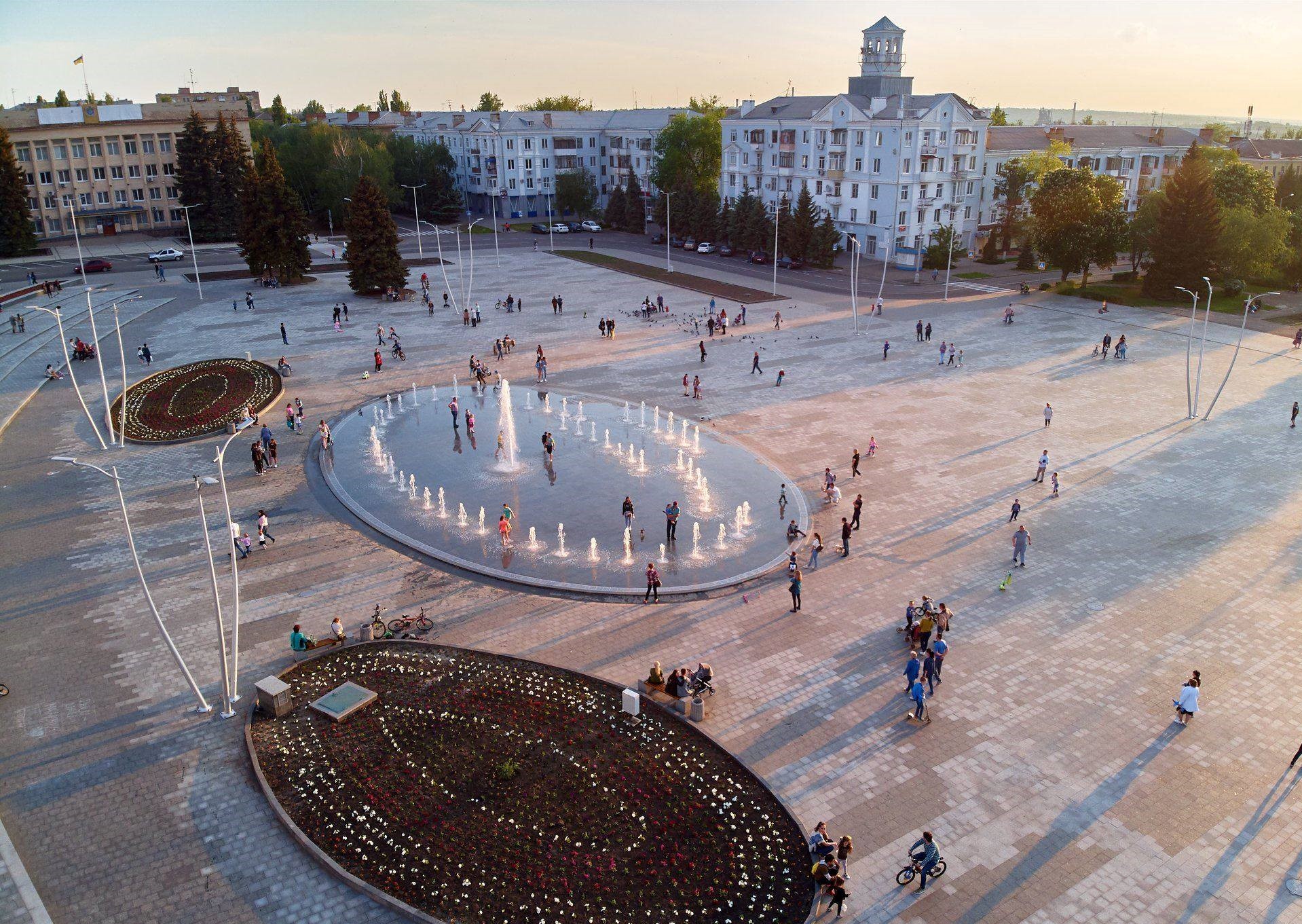
Featured image. Source: Wikimedia Commons. Credit: Yevgen Goncharenko. License: CC BY-SA 4.0.
Continue reading