



| IN A NUTSHELL |
|
In recent years, Europe’s supply chain sector has faced significant challenges, including energy insecurity and climate change. These factors have tested the limits of logistics and transportation across the continent. However, rather than succumbing to chaos, the industry has shown remarkable resilience. Through enhanced collaboration, stakeholders are working together to maintain a steady flow of goods. This effort involves cargo owners, logistics providers, and port authorities sharing data and using advanced digital tools to ensure that trade continues smoothly. This collective action represents a shift from panic-driven responses to more strategic and pragmatic cooperation.
The Rise of Supply Chain Transparency
In the past, tracking a shipment involved knowing its last location. Today, the expectations are much higher. Shippers now demand detailed information on the condition of their goods and potential delays, whether the shipment is traveling by road, rail, river, or sea. This shift is not just technological but also cultural. Competitors are now more willing to share selected data, creating a “single version of the truth” that benefits all parties involved.
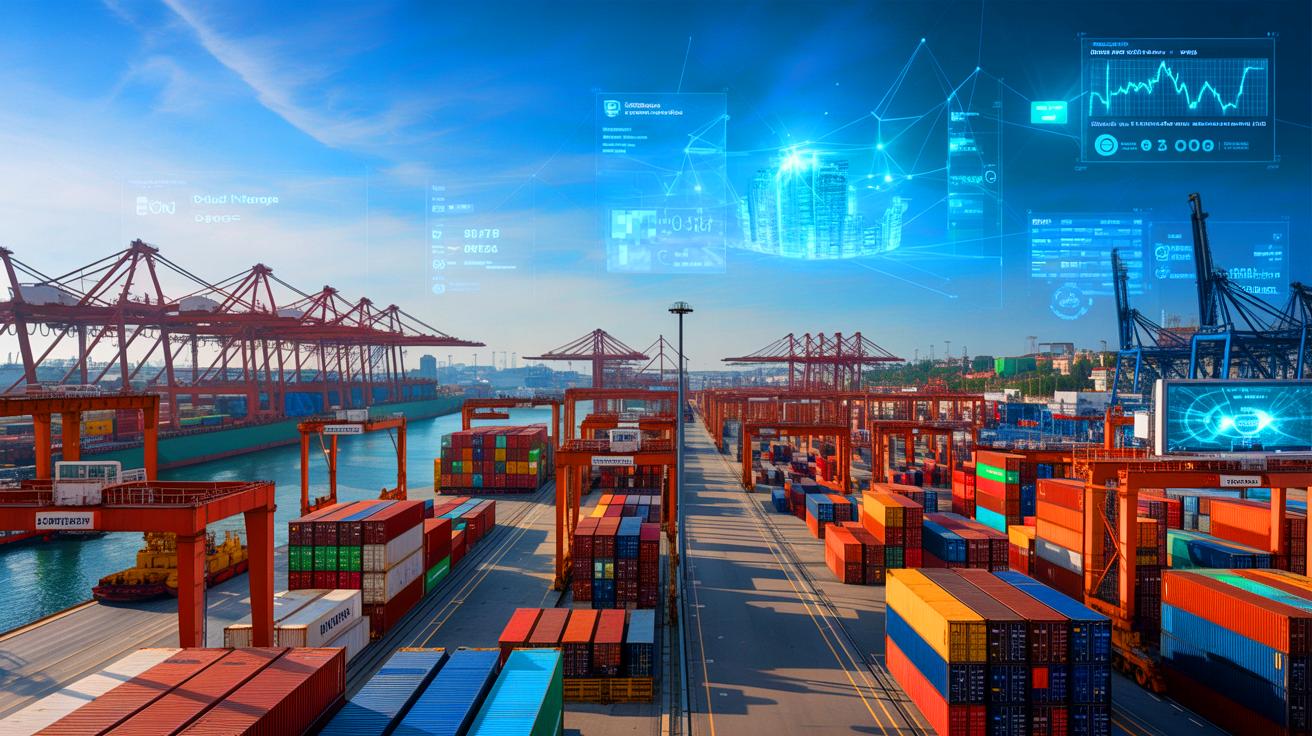
Technological innovations, such as advanced terminal operating systems, are allowing for digital replicas of ports and quays. This enables stakeholders to identify potential bottlenecks before they occur and work collaboratively on solutions. Initiatives like TIC 4.0 are standardizing data models, ensuring that different companies’ systems can communicate effectively. The result is reduced waste, as alternative transport methods can be activated when needed, and carbon emissions are minimized.
Regulations are also playing a crucial role. The EU’s Corporate Sustainability Reporting Directive (CSRD) is pushing companies to provide more detailed sustainability disclosures. Digital freight information is becoming the norm, thanks to the eFTI Regulation, which mandates the acceptance of electronic freight data across member states. These measures encourage the adoption of interoperable systems, facilitating accurate and shareable information.
On-the-Ground Collaborative Efforts
Collaboration in the supply chain is not only digital but also tangible. To address congestion issues, there has been a diversification of transport modes and routes. More inland volumes are being shifted to rail and river networks, particularly in Northern and Western Europe. This approach has led to the expansion of trimodal inland terminals that connect seaports with inland production areas, offering shippers more options when traditional corridors face bottlenecks.
Three CEOs Reveal “We Won’t Need Employees Soon” Predicting a Massive Workforce Overhaul Ahead
In Eastern Europe, investments have been made to enhance deep-sea access and streamline vehicle flows. For instance, Romania’s Port of Constanța now boasts a new roll-on/roll-off terminal and an inland intermodal hub. These upgrades create reliable alternatives to long road journeys, improving overall flow and reducing friction in the supply chain.
Effective collaborations are based on specific operational alignments, such as synchronized gate hours and common appointment systems. These initiatives, though not flashy, free up capacity and make alternative transport choices more viable. The focus is on reliability, which protects production lines from downtime and ensures supermarket shelves remain stocked, even in adverse conditions.
Anticipating Future Developments
The next phase for Europe’s supply chain sector involves scaling existing efforts and proving their effectiveness. As regulations like CSRD and eFTI become more entrenched, the industry will need to demonstrate how goods are moved and what emissions are saved. This will likely result in more joint pilots between ports, railroads, and tech firms, measuring performance across entire corridors rather than individual sites.
Investments are expected to follow a “network thinking” approach, where developments are made in sequence to unlock options across entire corridors. This integrated approach ensures that assets and data standards complement each other, making the whole system more efficient.
Challenges remain, though. Climate events and volatile energy markets will continue to pose risks. Moreover, the impact of protectionist policies remains uncertain. Yet, Europe’s recent experiences have shown that collaboration and shared data are the keys to resilience. By creating sufficient transport options and aligning processes, the sector can absorb shocks and maintain operations without resorting to panic-driven measures.
The Path Forward for Supply Chains
As the European supply chain sector continues to evolve, the focus will remain on collaboration and transparency. By fostering trust through data sharing and diversifying transport options, stakeholders can mitigate risks and reduce environmental impacts. The industry’s shift from speed to steadiness emphasizes reliability, ensuring that goods reach their destinations efficiently.
While the path forward may not be without obstacles, the lessons learned from recent challenges highlight the importance of working together. As the sector moves forward, the question remains: How can supply chain stakeholders continue to innovate and adapt to ensure long-term sustainability and resilience?