
Yorkshire in drought after fifth driest April to September
Yorkshire Water says it plans no customer restrictions, even though the Environment Agency has now moved the region up from prolonged dry weather status.
 By
Lowri Evans
By
Lowri Evans
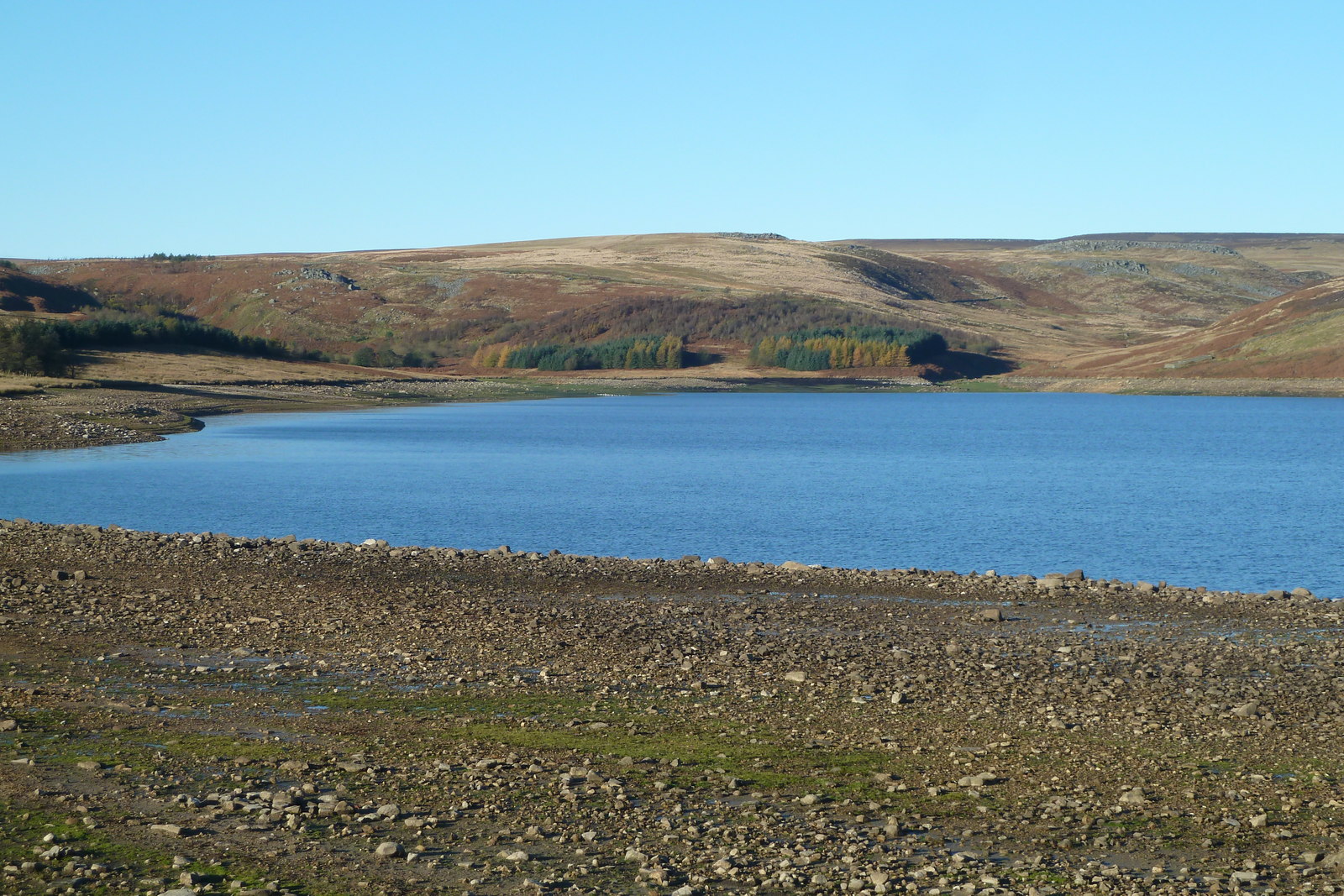
The Environment Agency has declared drought in Yorkshire, moving the region up from prolonged dry weather status on Friday 9 October because water levels in reservoirs and rivers have fallen so low.
In brief
- Since the end of July, the region had sat in the prolonged dry weather category, following a shortage of rain through spring and summer.
- The company does not plan to bring in water restrictions, pointing to its work to manage supplies, cut leakage and shift water around its network.
- Townend said heavier rainfall and drier summers will become more frequent as the impacts of climate change grow.
A dry summer followed by a very dry September
Since the end of July, the region had sat in the prolonged dry weather category, following a shortage of rain through spring and summer. According to The Independent, an unusually dry September then left river flows and groundwater in parts of the region very low. Yorkshire joins central, southern and eastern England, which are already in drought status, whereas the North East and North West are still classed as being in prolonged dry weather.
Vicki Townend, area environment manager for the Environment Agency in Yorkshire, said the region has had its fifth driest April to September on record. She said flows and groundwater in certain parts of the area “have now reached our trigger for declaring a drought”.
Rain has not yet made up the shortfall
The declaration came despite recent rain across parts of the region, as BBC News reports. Townend warned: “Even if we receive a few weeks of rain, we cannot quickly reverse the effects of the lack of rainfall during a very dry spring and summer.” Water minister Emma Hardy made a similar point, saying the recent rainfall “is not yet enough to replenish all the water we’ve used over the spring and summer”.
The strain on supplies comes after a summer provisionally declared the UK’s hottest on record, marked by successive heatwaves and long spells without rain in some areas.
BBC climate correspondent Paul Hudson notes that reservoirs are currently holding less than they did a year ago, a time when a hosepipe ban was in force. In September, East Yorkshire was the driest area anywhere in the UK, and groundwater in its chalk aquifers is very low.
| Measure | Latest position |
|---|---|
| Yorkshire status | Drought, from Friday 9 October |
| Previous status | Prolonged dry weather, from the end of July |
| Central, southern and eastern England | Drought |
| North East and North West England | Prolonged dry weather |
| East Yorkshire groundwater | Very low in the chalk aquifers |
Yorkshire Water plans no restrictions
For customers, the immediate message from Yorkshire Water is reassuring. The company does not plan to bring in water restrictions, pointing to its work to manage supplies, cut leakage and shift water around its network. Its head of water production, treatment and energy, Andy Shaw, said: “The Environment Agency’s decision to move Yorkshire into drought reflects these conditions, but it does not mean water restrictions are currently needed.”
Shaw added that demand remains unusually high for the time of year, and the company is asking customers to keep using water wisely. He suggested that “small actions such as shorter showers, running full washing machine loads and checking for leaks at home can make a real difference”. Townend also urged people to use “a little less water” to help the area recover more quickly.
In theory, the BBC’s analysis says, drought status would let Yorkshire Water reduce the flow out of some reservoirs and apply for a hosepipe ban. Given the time of year, when demand falls and rainfall normally rises, the company is not expected to seek restrictions. The announcement is nonetheless described as an early warning: should the remainder of autumn and winter turn out drier than normal, water restrictions could become a real possibility for the region next summer.
Monitoring and the outlook for next summer
The Environment Agency says it will keep monitoring the situation closely while it carries out Yorkshire’s drought plan. A National Drought Group, which brings together the Government, forecasters, regulators, water companies, farmers and conservation specialists, is meeting weekly to co-ordinate the response. The Government and the Environment Agency say they continue to scrutinise whether water companies are following their legally binding drought plans.
Looking further ahead, the Environment Agency says more volatile weather is making both drought and flooding more likely, and the two can occur together when sudden heavy rain falls on hard, dry ground. Townend said heavier rainfall and drier summers will become more frequent as the impacts of climate change grow.
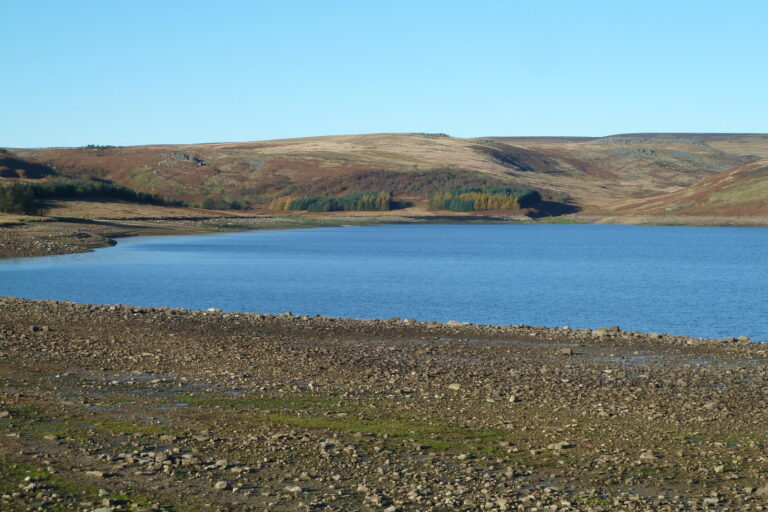
Featured image. Source: Wikimedia Commons, Low_water_levels_at_Grimwith_Reservoir_-_geograph.org.uk_-_3753741.jpg. Credit: Peter Bond. License: CC BY-SA 2.0.
Continue reading