




| IN A NUTSHELL |
|
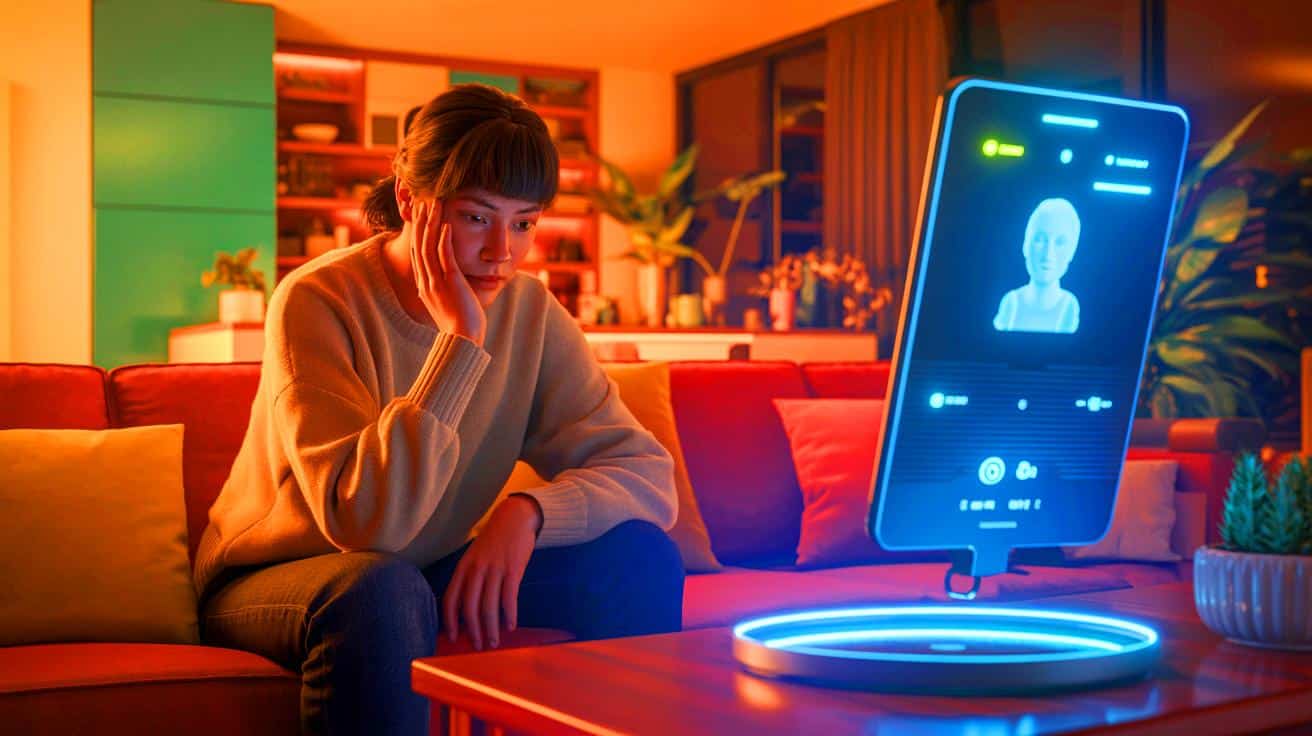
The rise of artificial intelligence has permeated various aspects of our daily lives, and now it seems to be making its way into our hearts. In an era where loneliness is becoming increasingly prevalent, some individuals are finding solace and even a form of love with artificial intelligence (AI). This development may seem peculiar to some, yet it aligns with the trajectory of human psychology and our evolving relationship with technology.
The Emergence of AI Relationships
In recent years, there has been a noticeable increase in people forming emotional connections with AI. These virtual companions, often in the form of chatbots, serve as confidants and partners for those who seek them out. While some may dismiss these relationships as fanciful, they are a natural progression of decades of interaction with machines, often without us realizing it. These digital companions have become the new face of companionship.
Historically, humans have shown a willingness to form bonds with technology. The 1960s gave rise to ELIZA, one of the first chatbots, which already prompted unexpected attachments among its users. As AI technology has evolved, so too have these relationships. Today, the sophistication of AI like ChatGPT amplifies this phenomenon, leading some individuals to experience genuine grief when they lose access to their AI interactions.
The Role of Solitude in AI Affection
As loneliness becomes more pervasive, the allure of AI companionship grows stronger. Studies indicate that a significant percentage of individuals, including 7% of the British population, report feeling consistently lonely. In such an environment, the appeal of a non-judgmental, attentive entity that seems to understand them is compelling. Services like Replika claim that many of their paying users engage in romantic interactions with their AI.
The blurred lines between human relationships and AI interactions are further complicated by the prevalence of social media and online dating. With 10% of heterosexual and 24% of LGBTQ+ individuals meeting their partners online, the boundary between human and AI interaction becomes increasingly indistinct. This environment fosters an acceptance of AI as potential partners, despite their inability to fulfill all human emotional needs.
Psychological Underpinnings of AI Affection
The human brain is wired for social interaction, and this extends to machines. Research dating back to the 1990s demonstrates that people interact with machines in a socially natural way, often regardless of their awareness of the machine’s artificial nature. This suggests that falling in love with a chatbot may be an inevitable, almost programmed response.
Nevertheless, AI cannot fully satisfy our emotional needs. The longest-running study on human happiness emphasizes that real relationships are crucial for health and well-being. Currently, there is no evidence to suggest that engaging with a chatbot can make one happier or less lonely. This raises questions about our reliance on technology to meet emotional needs and highlights the importance of maintaining genuine human connections.
The Future of AI and Human Interaction
As AI continues to evolve, its role in human relationships will likely expand. The key question is how these interactions will shape our understanding of love and companionship. While AI can offer comfort and companionship, it cannot replace the depth and complexity of human relationships. The challenge lies in balancing technological advancements with the need for authentic human connection.
Looking ahead, we must consider the ethical and psychological implications of AI relationships. As technology advances, we must remain vigilant in preserving our humanity, ensuring that AI serves to enhance, rather than replace, our most fundamental social bonds. How can we navigate this delicate balance in an increasingly digital world?