




| IN A NUTSHELL |
|
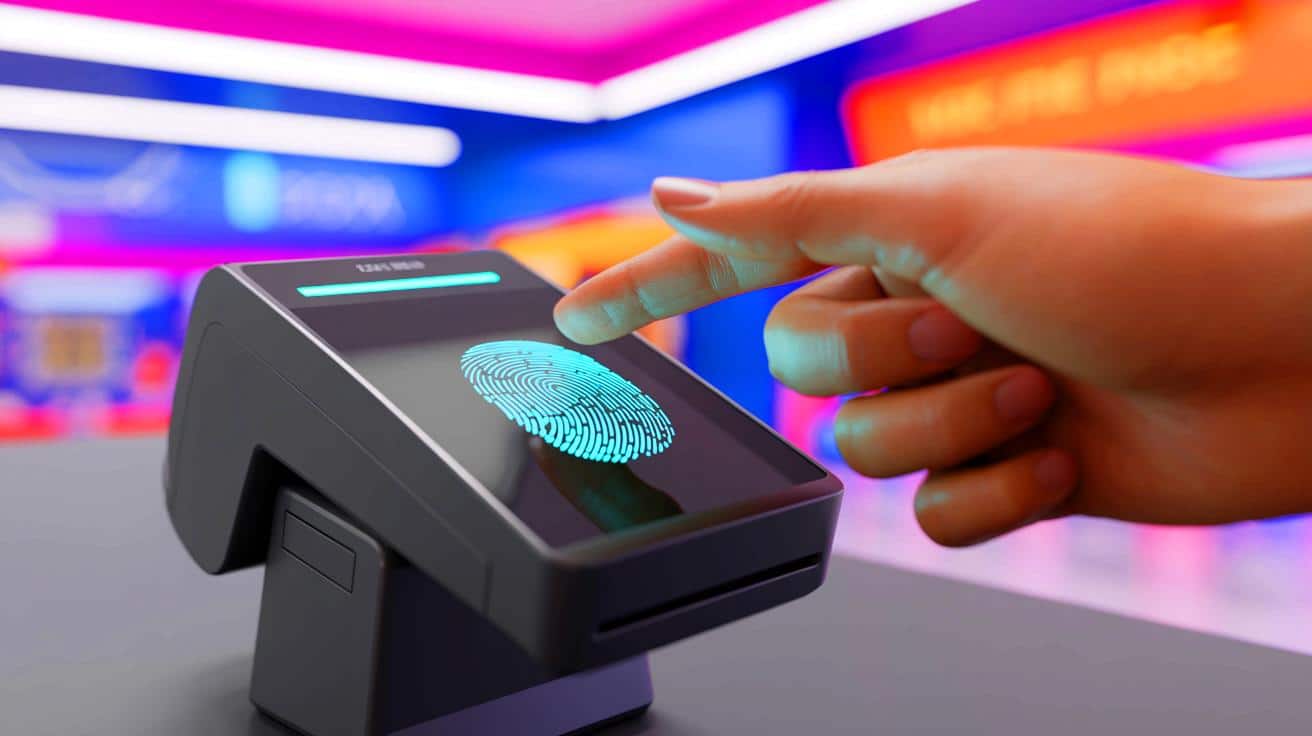
As the world increasingly shifts toward digital transactions, biometric payments are emerging as a groundbreaking solution for securing financial interactions. At the forefront of this technological wave is fingerprint authentication, which offers a seamless blend of convenience and security. By using unique physical traits, this technology promises to transform the way we conduct transactions. However, the shift to biometric payments also introduces significant challenges, particularly concerning privacy and data security. As cyber threats continue to evolve, the need for robust protective measures becomes more critical than ever. How prepared are we to navigate this new landscape?
The Rise of Biometric Payments in a Cashless Economy
The adoption of biometric payments is gaining momentum as societies transition toward cashless economies. This technology offers a simplified user experience by eliminating the need for traditional passwords or PINs. Instead, fingerprint authentication leverages unique physical characteristics, making it difficult for unauthorized users to gain access. Major financial institutions and technology companies have embraced this trend, signaling a shift towards more secure transaction verification methods.
Consumer demand for streamlined processes and enhanced security is driving the adoption of biometric payments. As fewer people rely on cash, the convenience offered by fingerprint authentication presents a promising alternative to conventional payment methods. This integration is not only reshaping authorization practices but also paving the way for a more secure financial ecosystem in an increasingly cashless economy.
Irrevocable Credentials: What Happens When Biometrics Are Stolen?
The permanence of biometric credentials, such as fingerprints, introduces unique security challenges. Unlike credit card numbers, which can be changed, biometric data is immutable. Once compromised, stolen fingerprints can be used indefinitely for unauthorized transactions, posing significant risks to individuals. Victims of biometric theft face not only financial losses but also potential identity theft, as their unique identifiers become vulnerable.
The lack of a viable method to “reset” biometric information leaves individuals with limited options for recourse. As the landscape of digital payments evolves, stakeholders must prioritize developing robust security measures to protect biometric data. The permanence of biometric credentials underscores the urgent need for comprehensive strategies to mitigate the consequences of potential breaches in biometric payment systems.
Common Cyber Threats Targeting Biometric Payment Systems
Cybercriminals are increasingly targeting biometric payment systems, exploiting vulnerabilities to compromise user data and financial security. Spoofing is a common attack vector, where attackers use fake fingerprints or facial images to gain unauthorized access to accounts. This method can effectively bypass traditional security measures if the underlying systems lack robust detection capabilities.
Database hacks pose another significant risk, as cybercriminals seek to infiltrate systems storing biometric data. Such breaches can lead to the theft of sensitive information, which, unlike passwords, cannot be changed. Additionally, man-in-the-middle attacks can intercept data during transmission, allowing attackers to capture biometric information before it reaches its destination. Companies must continuously assess their security protocols and implement advanced protective measures to safeguard biometric payment systems from emerging threats.
Lightning Strikes Innovation: Northern Ireland’s Tech Surge Ignites Fierce Debate Across America
Storing Biometric Data: Cloud, Device, or Encrypted Vault?
Determining the best method for storing biometric data is crucial in a landscape fraught with cybersecurity risks. Organizations often choose between cloud storage, device-based storage, and encrypted vaults, each with distinct advantages and drawbacks. Cloud storage offers scalability and accessibility but poses risks related to centralized attacks. Cybercriminals can target cloud providers, potentially exposing vast amounts of biometric data in a single breach.
Device-based storage reduces the risk of centralized attacks but may suffer from device theft or loss, compromising biometric security. Maintaining up-to-date security protocols on individual devices can be challenging. Encrypted vaults provide a middle ground, allowing secure storage while minimizing access points, but require robust infrastructure and consistent management. Organizations must carefully evaluate their needs, regulatory requirements, and potential vulnerabilities to ensure their chosen storage solution effectively safeguards sensitive biometric information.
The integration of biometric payments into daily life is both exciting and fraught with complexity. While offering enhanced security and convenience, these systems also demand rigorous protective measures to safeguard against fraud and data breaches. The irreversible nature of biometric credentials necessitates that financial institutions, merchants, and consumers collaborate to develop robust security strategies. What further innovations or regulations might be necessary to ensure the continued safety and success of biometric payment systems?