




| IN A NUTSHELL |
|
Hospital sinks, often overlooked, play a crucial role in the spread of healthcare-associated infections, posing significant risks to patient safety. Despite their essential function in promoting hygiene, these sinks can inadvertently become breeding grounds for harmful pathogens. This article delves into the surprising ways sinks contribute to pathogen proliferation, the challenges in controlling these risks, and the innovative solutions being developed to mitigate them.
The Hidden Dangers of Hospital Sinks
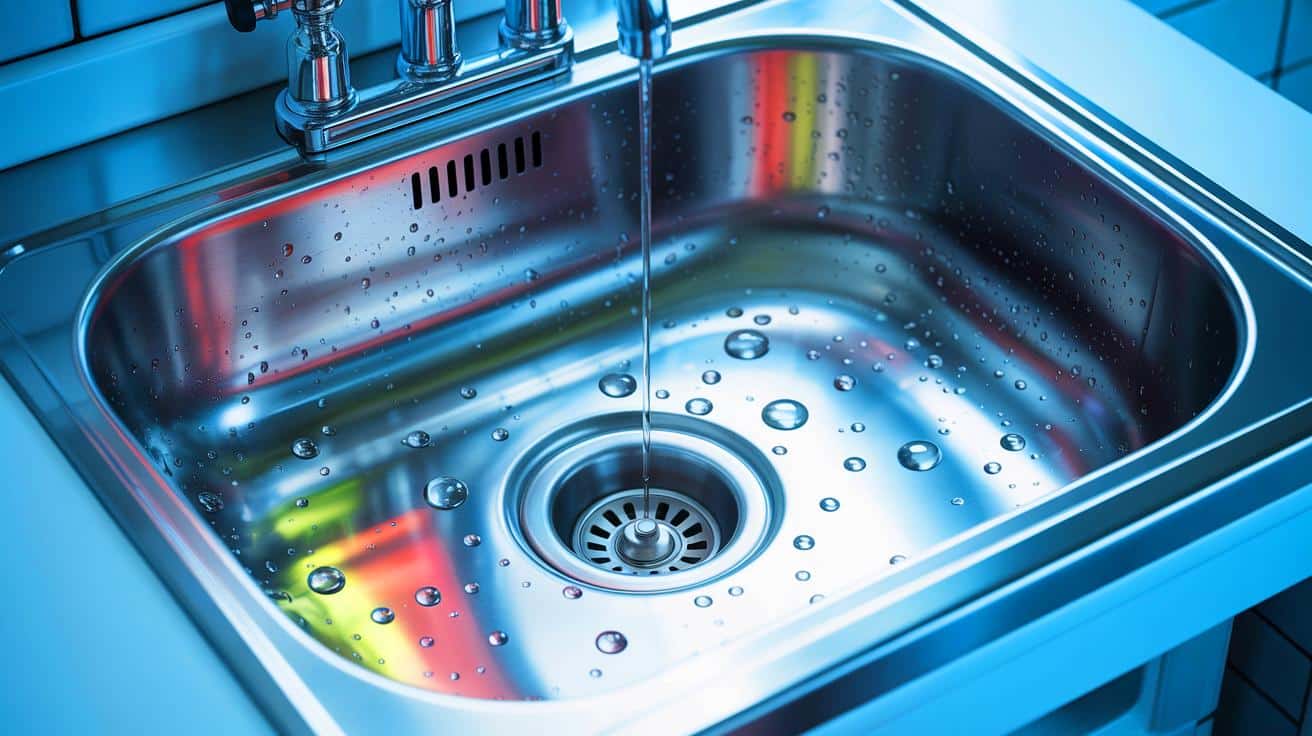
Hospital sinks, omnipresent in healthcare settings, are indispensable for maintaining hygiene. However, these sinks also serve as unintended reservoirs for pathogens. The plumbing system, which connects every room, facilitates the spread of pathogens, allowing them to flourish in an ideal environment. Pathogens thrive on the nutrients found in waste, including water, carbohydrates, proteins, and lipids. These nutrients flow through the sinks, supporting microbial growth. Studies have found that a significant percentage of hospital sinks harbor fluoroquinolone-resistant gram-negative bacilli, posing a risk of infection.
Pathogens are not confined to the plumbing system. Factors such as sink basin depth and water flow rate contribute to the spread of pathogens to nearby surfaces. Running water from a faucet for as little as 30 seconds can disperse pathogens onto adjacent surfaces, increasing the risk of transmission. This underscores the importance of addressing the role of sinks in infection control.
Outbreaks Linked to Contaminated Sinks
Hospital sinks have been implicated in numerous disease outbreaks. A retrospective analysis of intensive care units in Germany revealed a higher risk of healthcare-associated infections in rooms with sinks. Investigations have traced outbreaks of beta-lactamase-producing Pseudomonas aeruginosa and extended-spectrum beta-lactamase-producing Klebsiella oxytoca back to contaminated handwashing sinks. These findings highlight the potential of sinks to act as pathogen reservoirs, sustaining colonization for extended periods.
Contaminated sinks can be colonized for up to three years, making them a persistent threat. This prolonged colonization emphasizes the need for effective disinfection strategies. Sinks in food processing plants also face challenges, as pathogens like Listeria can harbor in drainage systems, posing food safety risks. The connection between sinks and pathogen spread is not limited to hospitals, underscoring the broader implications.
Challenges in Sinks and Drains Disinfection
The persistence of pathogens in sinks is often due to the formation of biofilms. These biofilms, protective layers of organic material, encase microorganisms, making them significantly harder to eliminate. Biofilms are approximately 1,000 times more resistant to disinfectants than free-floating microorganisms. The vertical nature of drains complicates disinfection efforts, as maintaining contact time for disinfectants is challenging.
High concentrations of disinfectants can cause corrosion, posing a dilemma for effective sink sanitation. While some products, like chlorinated disinfectants, offer biofilm efficacy, their high concentration levels raise concerns about corrosion and safety. Achieving the necessary contact time is difficult, as most disinfectants lose effectiveness once dried. Repeated applications are needed to maintain a pathogen-free environment, highlighting the limitations of current disinfection strategies.
Innovative Solutions: Avantamine’s Role
In response to the challenges of sink disinfection, AvantGuard has developed a next-generation disinfectant called Avantamine. This non-corrosive solution provides lasting protection against re-contamination. Avantamine’s gel-like consistency thoroughly coats sinks and drains, killing pathogens and their biofilms while leaving a protective layer.
Avantamine stabilizes chlorine, akin to how povidone stabilizes iodine. This stabilization reduces non-specific activity, decreasing the risk of corrosion and skin irritation. Avantamine retains chlorine on surfaces for extended periods, offering prolonged protection. The gel formulation ensures effective coverage, meeting the U.S. Environmental Protection Agency’s testing protocols for residual disinfectants. Avantamine’s attributes, including reduced corrosion and residual efficacy, make it an innovative solution for eradicating biofilms and preventing pathogen buildup.
The role of hospital sinks in the spread of pathogens is a critical issue in infection control. Avantamine offers a promising approach to addressing this challenge, but the broader question remains: How can healthcare facilities balance the need for hygiene with the risks posed by ubiquitous sinks? This question invites further exploration into innovative solutions for pathogen control in healthcare settings.