




| IN A NUTSHELL |
|
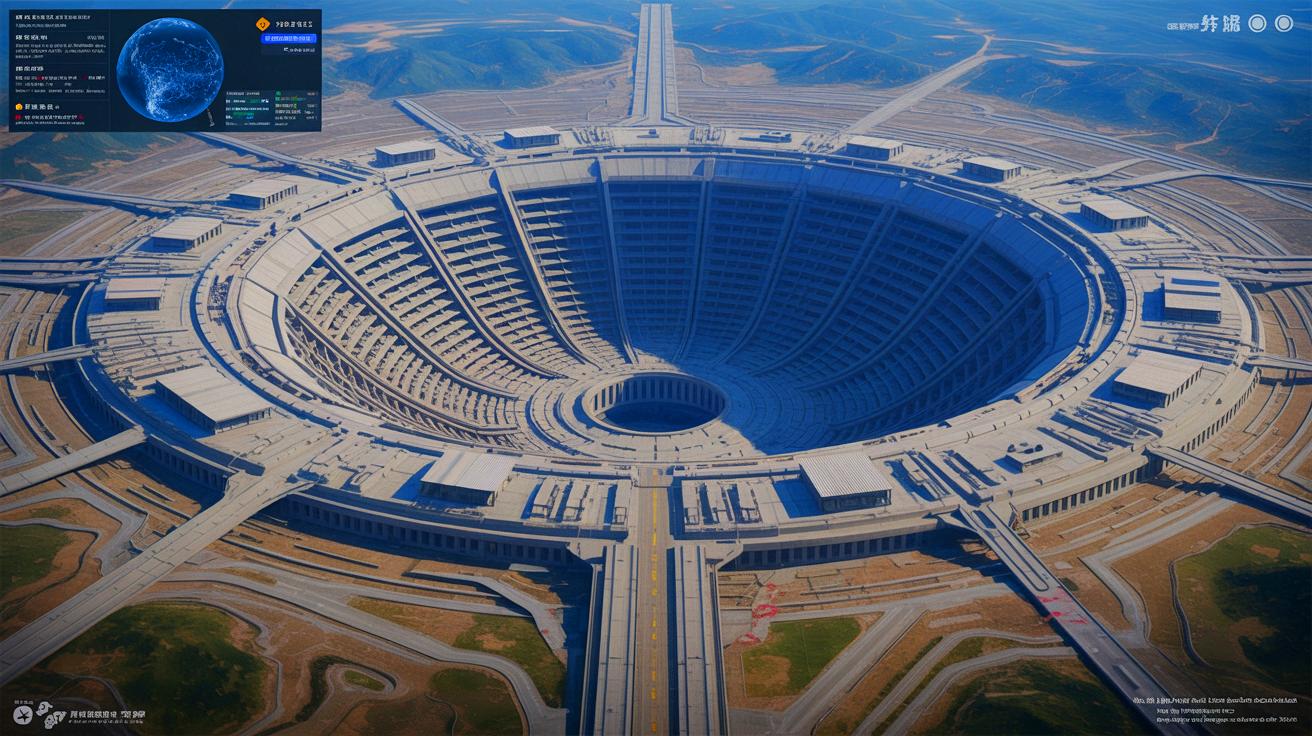
China’s latest military development has sent ripples through the international community, as satellite images reveal the construction of what could become the world’s largest underground military command center near Beijing. This ambitious project underscores China’s strategic intentions to assert its presence on the global stage, particularly in its rivalry with the United States. As the world scrutinizes these developments, it is essential to understand the broader implications for regional and global security dynamics.
China’s Ambitious Military Vision
China’s new military project is not just an expansion of its defense capabilities; it is a bold statement of its strategic ambitions. Since the 1980s, China has been investing in military infrastructure, focusing on creating underground shelters to protect against potential threats. This initiative can be traced back to Cold War strategies, where nations like the Soviet Union invested heavily in subterranean military facilities. Today, China is expanding this concept dramatically, planning what could be the largest military command center of its kind.
The scale of this project reflects China’s determination to secure its military assets and enhance its defense posture. In a world where geopolitical tensions are escalating, particularly in Asia, this development highlights China’s commitment to reinforcing its military infrastructure. It is a clear indication of how military strategies are evolving in the 21st century, with technological advances and strategic positioning playing a crucial role in national security.
Implications for Global Security
The emergence of China’s underground military complex has significant implications for global security. As China enhances its military capabilities, neighboring countries and global powers are reevaluating their security postures. This development signals more than just military strength; it represents a shift in the balance of power in Asia and beyond. The strategic importance of this project is profound, potentially influencing military alliances and defense strategies worldwide.
China’s actions may prompt responses from other major powers, potentially igniting an arms race reminiscent of the Cold War. The United States, in particular, might feel the need to bolster its military presence in the region to counterbalance China’s rising influence. This development poses critical questions about the future of international relations and whether nations will lean towards conflict or cooperation in addressing global security challenges.
Technological Sophistication and Strategic Depth
Central to China’s military project is its focus on technological sophistication and strategic depth. The underground command center is expected to feature advanced technologies, including state-of-the-art communication systems and cutting-edge defense mechanisms. This technological edge demonstrates China’s broader ambition to become a leading military power, capable of competing with the United States and other military giants.
The strategic depth of this project reflects China’s long-term military vision. By investing in subterranean infrastructure, China ensures the resilience and sustainability of its military capabilities. This strategy not only protects its assets from conventional threats but also positions China as a formidable force in future conflicts. This development signifies a new chapter in China’s military history, characterized by innovation and strategic foresight.
Regional Reactions and Future Prospects
The revelation of China’s military complex has provoked varied reactions in the region. Neighboring countries are observing the situation closely, with some expressing concerns about its implications for regional stability. Others are contemplating strategic alliances to balance China’s growing military presence. This development has sparked a reevaluation of defense strategies across Asia as nations navigate the evolving geopolitical landscape.
Looking forward, the success of this project will depend on China’s ability to manage its regional relationships and address international concerns. If successful, it could redefine China’s global role, potentially leading to new alliances and diplomatic engagements. However, it also raises questions about the potential for conflict and cooperation in a world increasingly defined by military strength and strategic competition.
As China’s military ambitions unfold, the world is watching closely. The construction of this underground command center is a clear indicator of China’s intent to assert its influence and safeguard its interests. In this era of rapid geopolitical changes, how will other nations respond to China’s growing military power? Will this development lead to increased cooperation or heightened tensions among global powers?