


| IN A NUTSHELL |
|
The advent of 3D printing technology has brought about revolutionary changes across various industries, and the field of energy is no exception. The United Kingdom Atomic Energy Authority (UKAEA) has taken a significant leap forward by deploying cutting-edge 3D printing machines designed to create highly specialized components for future fusion reactors. This innovation not only holds the promise of advancing fusion energy, a potential cornerstone of a low-carbon future, but also demonstrates the transformative potential of additive manufacturing in producing intricate, durable components tailored for extreme conditions.
Innovative Fusion Component Production
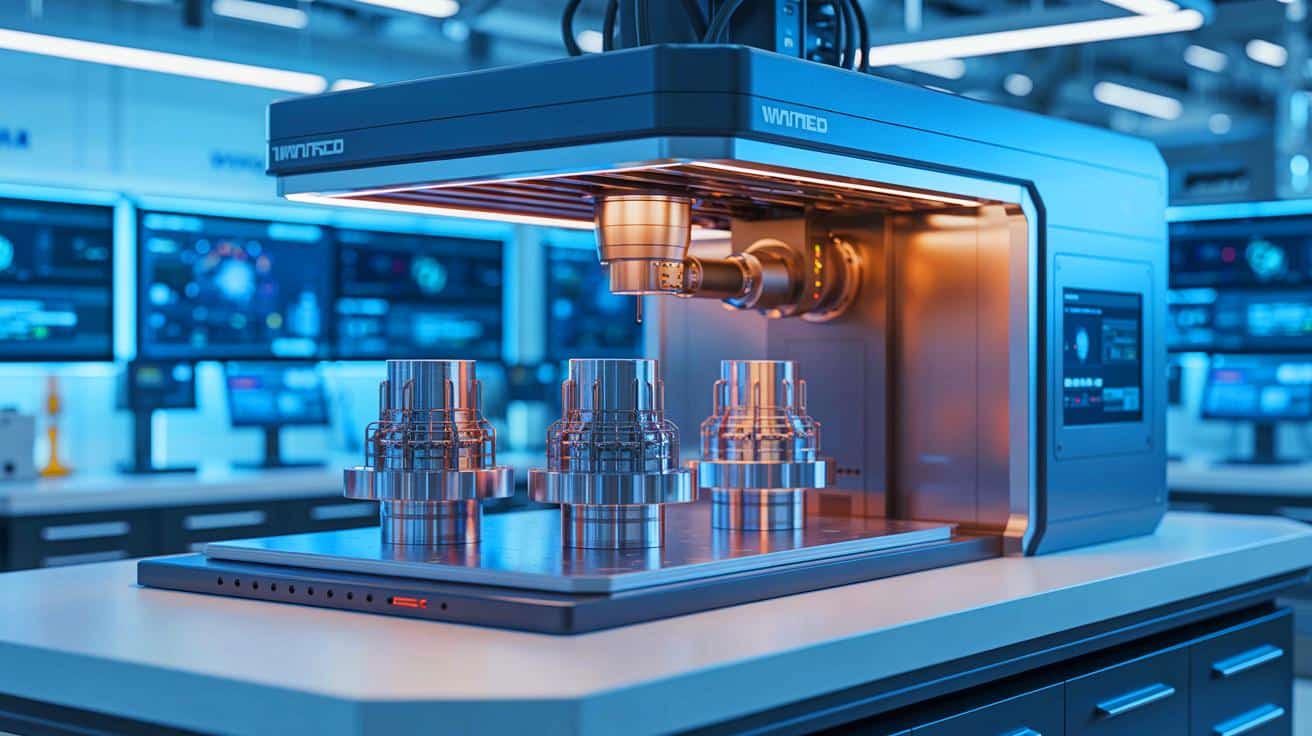
UKAEA has recently commissioned two state-of-the-art additive manufacturing machines at the Central Support Facility (CSF) to produce components for fusion reactors. These machines utilize complementary techniques, combining electron beam technology with selective laser methods. Such advanced technology is crucial because fusion reactors must operate under extreme temperatures, intense magnetic fields, and high neutron fluxes. The components, therefore, must possess a remarkable level of precision and resilience to withstand these harsh conditions.
By employing 3D printing, UKAEA aims to overcome the challenges associated with traditional manufacturing methods, which are often costly and inefficient for the bespoke components required in each unique fusion reactor. As Roy Marshall, Head of Operations at UKAEA, emphasizes, the ability to produce components with complex geometries is essential to making fusion energy commercially viable. This technology not only lowers production costs but also accelerates the development process, paving the way for a sustainable fusion-powered future.
Advanced Techniques for Plasma-Facing Components
The first of the two machines, the eMELT Electron Beam Powder Bed Fusion (E-PBF), employs electron beam technology to join tungsten powder into nearly 100% dense solid components. This machine specializes in layering tungsten onto various substrates, including copper, chrome zirconium, stainless steel, and Eurofer 97, a steel specifically developed for fusion applications. Meanwhile, the SLM280, a Selective Laser Manufacturing machine, is designed to experiment with complex geometries and material combinations necessary for successful fusion plants.
Both machines are pivotal to manufacturing plasma-facing components, which must endure extreme temperatures over their operational lifecycles. By reducing reliance on traditional methods like welding, these machines streamline the manufacturing process and minimize the number of operations required. The integration of these technologies underscores UKAEA’s commitment to pushing the boundaries of what is possible in fusion technology, ensuring that plasma-facing components are robust enough to handle the rigors of fusion energy production.
Central Support Facility: A Hub for Innovation
The Central Support Facility (CSF) plays a critical role in advancing fusion research and development. By combining cutting-edge technology with purpose-built workshops, the CSF fosters collaboration among manufacturing teams, the Manufacturing Support Team, and the Special Techniques Group. This synergy is vital for addressing the complex challenges of fusion energy production and for preparing commercial partners for large-scale manufacturing.
The facility is now geared up to produce components with challenging geometries and to conduct experiments aimed at exploring the unique properties of additive manufactured materials. This work represents the initial steps toward large-scale production, with a focus on layering tungsten and copper chrome zirconium. As UKAEA continues to innovate, the CSF stands as a beacon of progress, guiding the development of the next generation of fusion reactors.
Future Prospects and Challenges
As UKAEA advances in its mission to harness fusion energy, the role of 3D printing technology cannot be understated. The ability to produce highly specialized components efficiently and cost-effectively will be a major factor in determining the commercial viability of fusion energy. However, challenges remain, including scaling up production and ensuring the reliability and safety of these components under operational conditions.
The ongoing work at the Central Support Facility and the deployment of innovative manufacturing techniques highlight the potential for fusion energy to become a significant part of our energy landscape. As the world moves towards sustainable energy solutions, the question arises: How will advances in additive manufacturing and fusion technology transform our approach to energy production and consumption in the coming decades?