




| IN A NUTSHELL |
|
The depths of the ocean are a mysterious realm, full of wonders that continue to surprise even the most seasoned marine scientists. Recently, an astonishing discovery near Vancouver Island has captured the attention of the scientific community and the public alike. An active underwater volcano has revealed thousands of giant eggs belonging to the elusive Pacific white skate. This discovery not only highlights the unique ecosystems that thrive in these extreme environments but also underscores the intricate relationship between geological and biological processes. As researchers delve deeper into this phenomenon, they uncover insights that could reshape our understanding of marine biodiversity.
The Astonishing Revelation of an Active Underwater Volcano
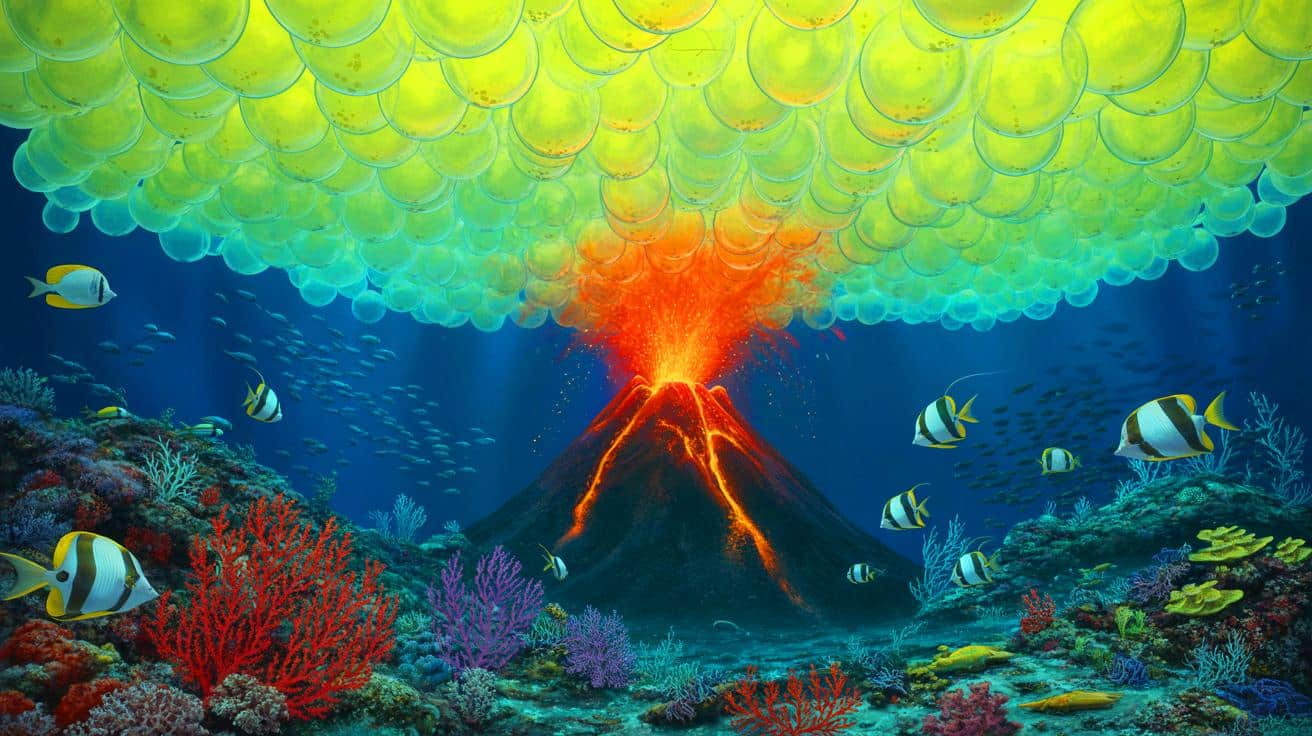
The underwater volcano near Vancouver Island, once thought to be dormant, made headlines during a 2019 expedition led by marine biologist Cherisse Du Preez. This seamount, rising approximately 3,600 feet from the ocean floor, is situated about 0.93 to 0.99 miles beneath the ocean’s surface. The expedition revealed a fascinating marine ecosystem, enriched by the warm, mineral-rich waters emitted by the volcano. This geothermal activity is crucial for the development of the giant eggs, which measure 18 to 20 inches and require a four-year gestation period.
The volcanic warmth acts as a natural incubator, providing the young Pacific white skates with an advantageous start in life. This interaction between geological and biological processes emphasizes how geological features like underwater volcanoes can significantly influence marine life cycles. The ability of these habitats to nurture marine species showcases their critical role in sustaining oceanic biodiversity.
Unique Traits of the Pacific White Skate
The Pacific white skate, scientifically known as Bathyraja spinosissima, thrives in the cold Pacific waters at depths ranging from 2,600 to 9,500 feet. Female skates lay large eggs, investing considerable energy into their offspring’s development, a phenomenon known as marine gigantism. Adult skates can reach lengths of up to 6.5 feet, demonstrating their remarkable adaptation to the deep-sea environment.
The volcanic summit’s warmth creates an ideal environment, which Cherisse Du Preez describes as “almost a coral garden and a safe nursery for juveniles before they descend into the deep.” This setting highlights the essential role these volcanic habitats play in the early life stages of skates. A similar phenomenon was observed in 2018 near the Galápagos Islands, where eggs over 4 inches were found near hydrothermal vents, suggesting that volcanic heat is a common resource for various marine species during incubation.
Implications for Marine Research and Biodiversity
The revelation of this active underwater volcano and its role as a natural nursery offers new perspectives on the complexity of marine ecosystems. The geothermal warmth fosters a unique biodiversity, enabling scientists to study the impact of such environments on marine life development. The presence of these giant eggs within an active volcano suggests that underwater volcanic activity may play a more significant role in marine life cycles than previously understood.
In 2023, a follow-up expedition witnessed a Pacific white skate laying an egg at the Canadian site, providing further insights into the reproductive behaviors of this enigmatic species. Evidence suggests that multiple species utilize this unique site as a natural nursery, highlighting the broader ecological significance of these volcanic habitats. Such discoveries emphasize the need for further exploration and conservation of these vital ecosystems.
The Future of Oceanic Exploration and Conservation
Understanding the dynamics of these underwater ecosystems is crucial for marine conservation efforts. The discovery of the Pacific white skate’s breeding ground within an active volcano underscores the need to protect these fragile environments. As climate change continues to impact ocean temperatures and ecosystems, preserving these unique habitats becomes increasingly important.
Researchers and conservationists must collaborate to ensure the sustainability of these ecosystems, which serve as sanctuaries for marine life. Future explorations may uncover even more hidden secrets of the deep, challenging us to rethink our relationship with the ocean. What other mysteries lie beneath the waves, waiting to be discovered?