


| IN A NUTSHELL |
|
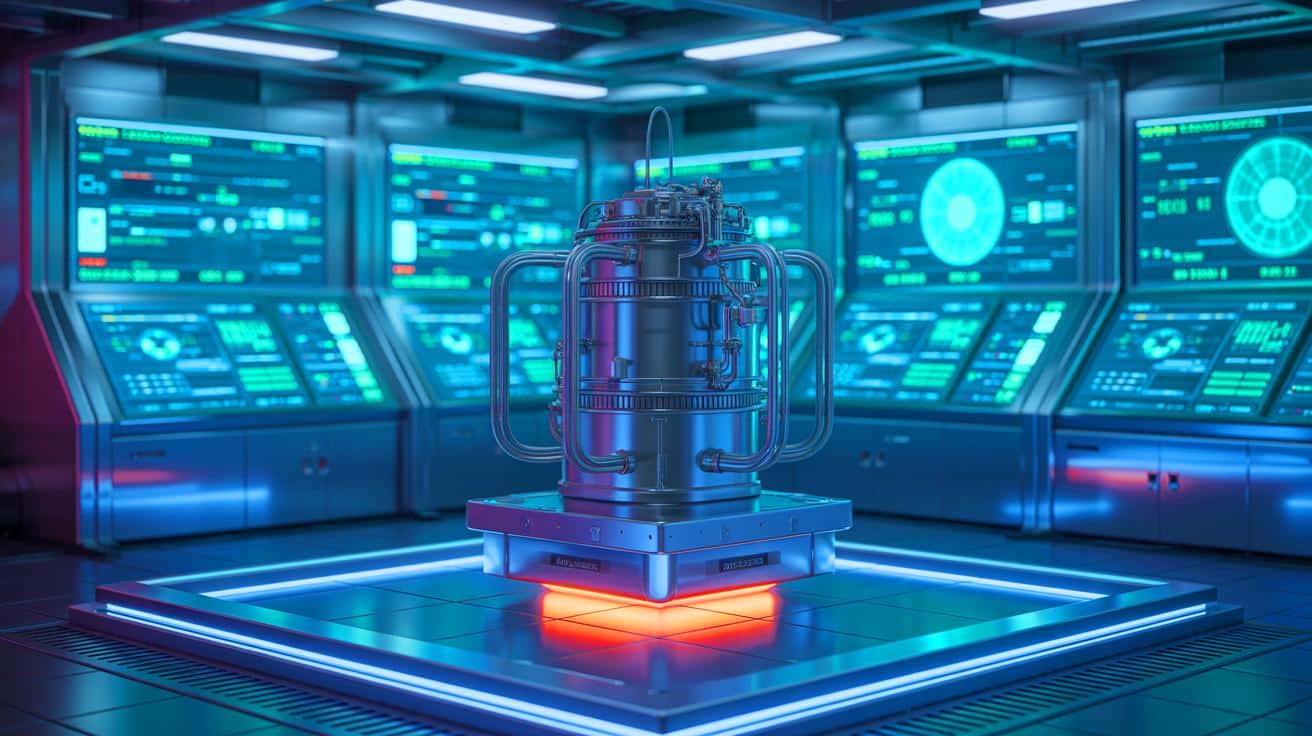
The recent launch of the world’s first fully integrated hydrogen production simulator within a Small Modular Reactor (SMR) control room environment marks a groundbreaking achievement in the field of clean energy. Developed by NuScale Power Corporation in collaboration with GSE Solutions, this innovative system is hosted at NuScale’s headquarters in Corvallis, Oregon. It represents a critical step in showcasing how nuclear-powered high-temperature steam electrolysis can drive scalable, carbon-free hydrogen production. This development, centered around Reversible Solid Oxide Fuel Cells (RSOFCs), promises to significantly impact the future of integrated clean energy systems.
World’s First Hydrogen Production Nuclear Reactor
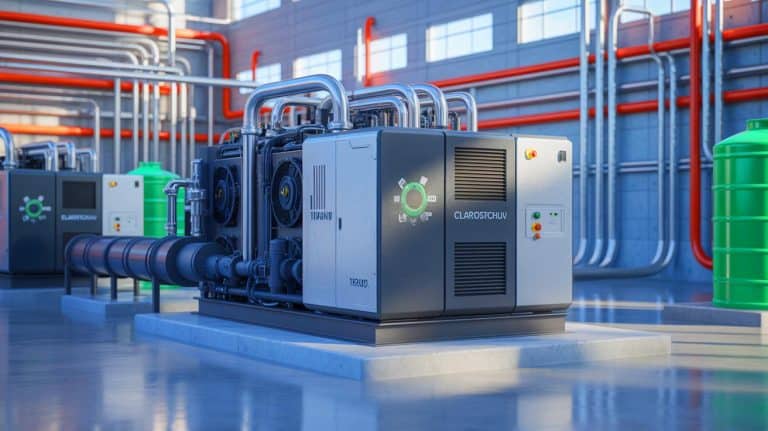
The world’s first hydrogen production nuclear reactor is not just a conceptual model but a comprehensive simulator that operates in real time. It integrates advanced tools, such as GSE’s JTopmeret and JLogic platforms, to enable full-scale modeling of hydrogen production exceeding 220 US tons per day. Central to this structure are Reversible Solid Oxide Fuel Cells (RSOFCs), which have the dual capability of generating electricity, hydrogen, and clean water simultaneously. This positions NuScale’s SMR ecosystem as a multi-output energy solution, tackling industrial decarbonization, water scarcity, and clean molecule synthesis in one platform.
Beyond technology validation, the simulator plays a crucial role in workforce development. NuScale plans to extend simulator access to academic and industry partners, supporting operator training and curriculum development. This initiative will effectively create a pipeline of skilled personnel capable of managing integrated nuclear-hydrogen platforms, a capability essential as SMRs transition from grid-only assets to multi-vector energy producers. Training environments of this sophistication are rare in the hydrogen sector, and their integration with nuclear technologies is groundbreaking.
SMRs in the Hydrogen Economy
NuScale’s simulator underscores a pivotal shift: deploying SMRs not just as sources of electricity but as central assets in the hydrogen and clean fuel economies. Traditionally, intermittent renewables have dominated green hydrogen production. However, SMRs offer a consistent thermal and electrical input, crucial for high-temperature electrolysis systems requiring stable operational baselines. By leveraging nuclear’s baseload profile, NuScale aims to anchor a more resilient and modular hydrogen production infrastructure.
The system’s modularity and transportability align with emerging global needs for decentralized, low-carbon industrial solutions. This development follows NuScale’s previous announcements on expanding SMR applications, including desalination and hydrogen production. Notably, a single NuScale Power Module (NPM) can generate 150 million gallons of clean water daily through reverse osmosis, without emissions. In multi-module configurations, 12 NPMs could supply clean water to 2.3 million people while providing electricity to 400,000 homes.
Innovative Brine Utilization
A critical innovation in NuScale’s system is the reuse of desalination brine. In collaboration with the US Department of Energy’s Pacific Northwest National Laboratory, NuScale is advancing a hydrothermal chemical process that converts brine into hydrogen feedstock. This innovative approach eliminates the need for conventional electrolysis, reducing energy and freshwater consumption. The closed-loop system offers an eco-friendly solution by reducing salty waste and producing hydrogen without carbon emissions.
This innovation positions NuScale at the forefront of sustainable energy production by integrating SMRs with hydrogen production, desalination, and brine utilization. As Dr. José Reyes, NuScale’s CTO, aptly put it, “This is a win-win-win.” The company’s efforts are addressing urgent global challenges in water scarcity and clean energy, simultaneously and sustainably.
Future Implications and Opportunities
NuScale’s simulator project is a significant indicator of a larger plan to transform how nuclear energy contributes to the global shift towards clean energy. By integrating SMRs with hydrogen production, desalination, and brine utilization, the company positions itself at the nexus of water, energy, and industrial sustainability. This strategic positioning opens new avenues for scalable, carbon-free hydrogen production, which is essential for a sustainable future.
As we look to the future, the question remains: how will this innovative integration of technologies transform the global energy landscape, and what further advancements can we expect in the pursuit of sustainable solutions?