



| IN A NUTSHELL |
|
The European Space Agency (ESA) has reached a significant milestone with the completion of its latest deep-space observatory, Plato. This spacecraft is poised to revolutionize our understanding of the universe by seeking out Earth-like planets beyond our solar system. Designed to detect rocky exoplanets orbiting Sun-like stars, Plato’s construction was finalized with the installation of its sunshield and solar panel module. Now, as it gears up for rigorous testing before its anticipated launch in December 2026, the world watches with anticipation, eager to see how this advanced technology will expand our knowledge of potentially habitable worlds.
The Mission to Discover Earth-Like Planets
Plato, which stands for PLAnetary Transits and Oscillations of stars, is a specialized space telescope. Its primary mission is to identify terrestrial exoplanets within the habitable zones of stars similar to our Sun, regions where conditions might allow for liquid water and, possibly, life. To achieve this, Plato is outfitted with 26 advanced cameras capable of monitoring over 150,000 stars simultaneously. These instruments utilize the transit technique, observing tiny dips in starlight as planets pass in front of their host stars.
Each camera on Plato is engineered for high precision and operates at cryogenic temperatures, approximately -112°F, to ensure optimal performance. This setup enhances Plato’s ability to detect smaller, Earth-sized planets, a crucial aspect in the search for worlds that could potentially host life. With such advanced capabilities, Plato represents a significant leap forward in the ongoing quest to identify habitable exoplanets.
Harnessing Solar Power for Deep-Space Exploration
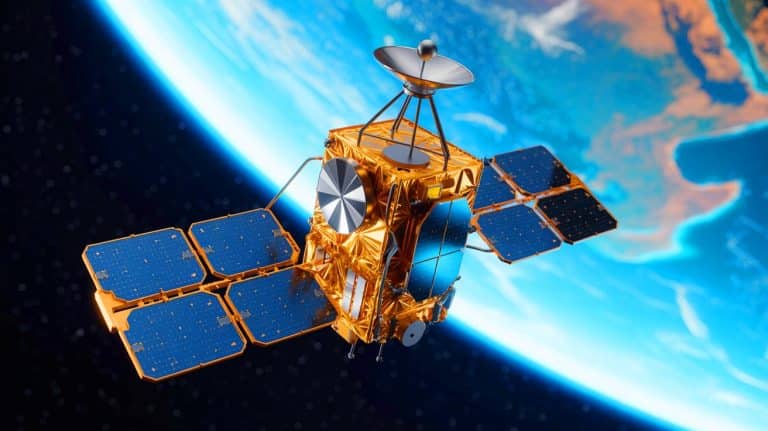
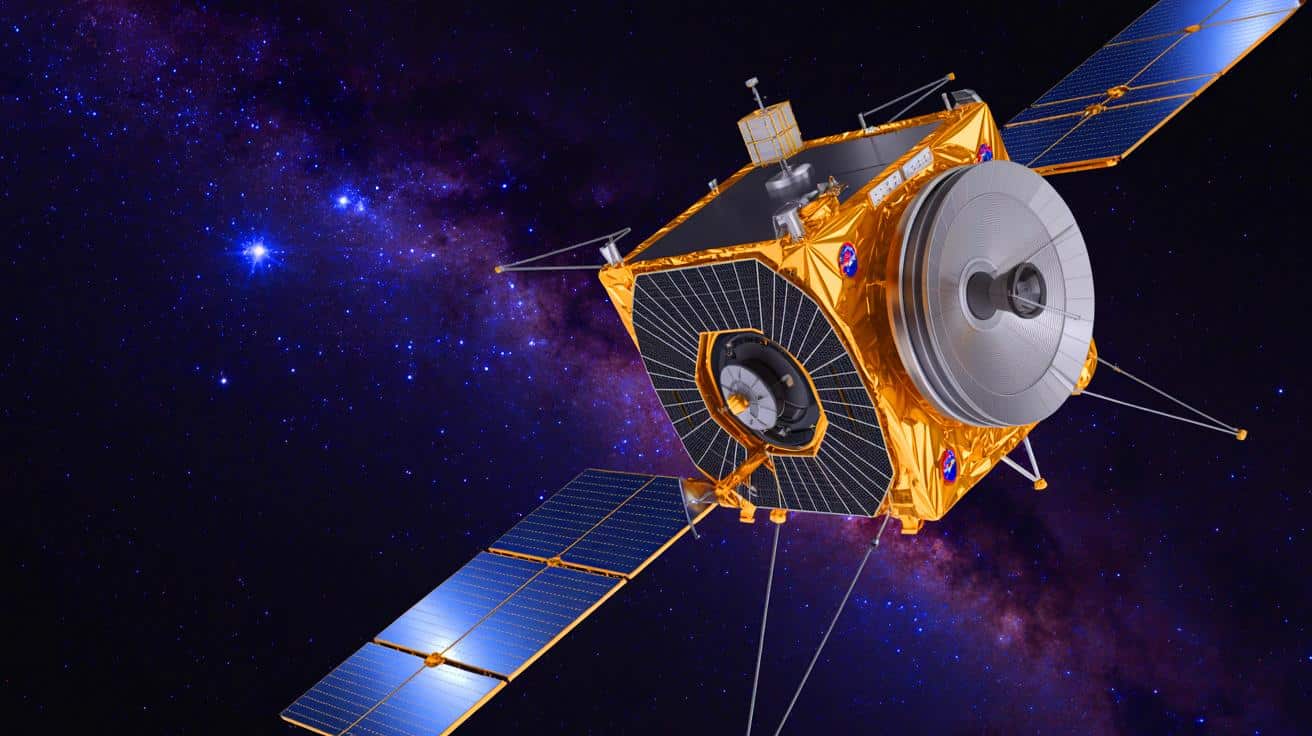
Beyond its structural components, Plato’s newly attached solar panels and sunshield are critical to its mission’s success. These elements are not merely additions; they are essential for the spacecraft’s operation. Once in orbit, the solar arrays, facing the Sun, will generate all necessary electricity for Plato’s systems. Meanwhile, the sunshield will keep the sensitive optical instruments cool and shaded, ensuring they function correctly.
During recent tests, engineers successfully deployed the solar panels using a pulley system to simulate weightlessness. This test confirmed that the panels are mechanically sound and capable of generating sufficient power. These successes indicate that Plato is both structurally and electrically prepared for the next stages of its journey, bringing it closer to its ultimate goal of deep-space exploration.
Collaborative Efforts Across Europe
Plato is not just a triumph of technology but also a testament to international collaboration. While the ESA leads the mission, the spacecraft’s scientific instruments have been developed through the Plato Mission Consortium. This group includes research institutes, universities, and aerospace companies from across Europe, showcasing the strength of pan-European efforts in scientific exploration.
The industrial assembly of the spacecraft was managed by the Plato Core Team, led by German aerospace company OHB. Contributions also came from Thales Alenia Space and Beyond Gravity. This partnership highlights the power of collaboration in addressing some of the most profound questions in science, underscoring the importance of unity in advancing human knowledge.
Preparing for the Challenges of Space
With the construction phase complete, Plato must now demonstrate its readiness for the harsh conditions of space. This involves a series of qualification tests designed to simulate the intense conditions of a rocket launch. Engineers will subject the spacecraft to acoustic and vibration tests to ensure it can withstand the stresses of its journey into space.
Following these tests, Plato will enter Europe’s largest space environment simulator, a cryo-vacuum chamber that replicates the cold, airless conditions of space. These trials are crucial for confirming that Plato can survive and function in the extreme environment it will encounter. Successfully passing these tests will pave the way for Plato’s mission to explore the cosmos and potentially transform our understanding of life in the universe.
As the countdown to Plato’s launch in December 2026 continues, excitement builds for what this mission might reveal. Positioned at the second Lagrange point, about 930,000 miles from Earth, Plato will have a prime vantage point free from atmospheric interference. Its mission to scan the galaxy for Earth-like planets could redefine our knowledge of life in the universe. As we stand on the brink of this new era in exoplanet discovery, one wonders: What new worlds will Plato uncover, and how might they change our understanding of our place in the cosmos?