


| IN A NUTSHELL |
|
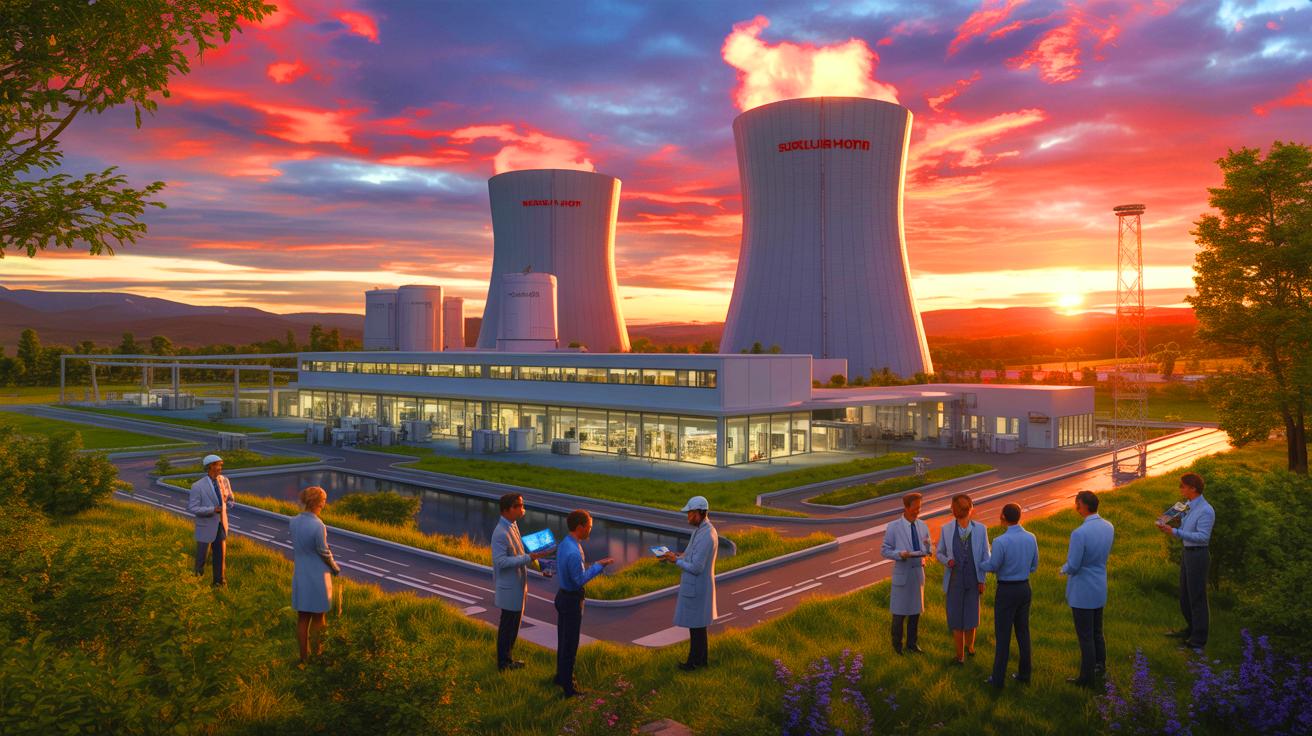
The recent release of the World Nuclear Association’s (WNA) 2025 Performance Report provides a comprehensive overview of the global nuclear energy landscape. As the world grapples with climate change and energy security, nuclear power emerges as a crucial element in the transition towards sustainable energy systems. The report underscores the significant strides made in nuclear energy generation, the promising developments in small modular reactors, and the growing number of countries investing in nuclear technology. It also highlights the challenges and opportunities that the industry faces in contributing to global carbon neutrality goals.
Global Nuclear Generation: A Record-Breaking Year
In 2024, nuclear reactors worldwide set a new record by generating 2,667 terawatt-hours (TWh) of electricity. This surpasses the previous high set in 2006, demonstrating the industry’s resilience and growth. Despite this achievement, nuclear power currently meets only about 9% of the world’s electricity needs. This decline from a 16% share in the mid-1990s is primarily due to the rapid increase in global electricity demand, which has largely been fulfilled by fossil fuels.
Construction efforts in 2024 saw the completion of seven new reactors, with significant contributions from China, the United Arab Emirates, France, India, and the United States. Presently, 70 reactors are under construction globally, including new projects in China, Pakistan, Egypt, and Russia. However, the report notes that the pace of new construction must accelerate to keep up with rising demand and climate goals.
Emerging Trends in the Nuclear Market
The report highlights a notable increase in nuclear generation in Asia, with the region accounting for a significant portion of new reactor startups in the past decade. Asia continues to lead with 59 of the 70 reactors currently under construction. This trend is expected to persist, further solidifying Asia’s role in the nuclear energy sector.
Small modular reactors (SMRs) are becoming an exciting development in the industry. With their smaller size and modular design, SMRs offer flexibility and potential cost savings. The upcoming launch of China’s Changjiang ACP100 and Russia’s RITM-200S units exemplifies the growing interest in SMRs. As countries like Canada and the United States advance their SMR programs, these reactors could significantly expand nuclear energy applications.
“Pure outrage erupts”: EPA’s $9 Billion Gamble on PFAS Sparks Nationwide Fury and Hope
Country-Specific Advancements and Challenges
China’s aggressive expansion in nuclear capabilities is noteworthy, as it surpasses France in the number of reactors and aims to overtake the United States within a decade. This growth signals China’s commitment to nuclear energy as a pillar of its energy strategy.
Several countries are joining the nuclear sector, either by starting their first reactors or planning future projects. The United Arab Emirates, Belarus, Bangladesh, Egypt, and Turkey are among those making significant strides. Additionally, countries like Kazakhstan, Poland, and Uzbekistan are exploring nuclear energy as part of their energy mix. This growing interest indicates a broader acceptance of nuclear power as a viable and sustainable energy source.
Nuclear Energy and Carbon Neutrality Goals
The report emphasizes the slow progress toward global carbon neutrality. Despite the rapid growth of renewable energy, fossil fuels remain predominant in electricity production. The International Energy Agency projects a doubling of electricity consumption over the next 25 years, driven by increased demand from emerging economies and sectors like AI and data centers.
To address these challenges, governments have acknowledged the need for nuclear energy’s rapid expansion. At COP28, nuclear energy was recognized as a critical technology for emissions reduction. A declaration signed by 25 governments aims to triple global nuclear capacity by 2050, with support from major companies like Amazon, Meta, Google, and Dow. This commitment underscores nuclear energy’s role in enhancing energy security and providing continuous clean power.
Innovation and Investment in Nuclear Energy
Advancements in nuclear technology are essential for decarbonizing sectors beyond electricity production. Innovations such as alternative coolants for higher-temperature process heat supply are crucial for expanding nuclear applications. While these technologies have been demonstrated, further development and deployment are necessary.
Financial innovation is equally vital for the industry’s growth, especially in liberalized electricity markets. The potential market for new nuclear reactors is vast, with nearly 500 reactors planned or proposed, requiring significant investment. The finance sector is actively exploring ways to support this expansion, as seen in discussions during New York Climate Week 2024.
As we look to the future, the WNA’s report paints a picture of both promise and challenge for the nuclear energy industry. While strides have been made, the accelerating pace of global electricity demand calls for continued innovation and investment in nuclear technology. As the world works toward carbon neutrality, how will nuclear energy position itself to meet the increasing demand for sustainable and reliable power?