


| IN A NUTSHELL |
|
The unveiling of the Aurora supercomputer at the United States Department of Energy’s Argonne National Laboratory marks a significant milestone in the realm of high-performance computing. This advanced machine represents a monumental leap in exascale computing, achieved through collaboration with industry leaders like Intel and Hewlett Packard Enterprise (HPE). More than a technical achievement, Aurora is set to revolutionize scientific research across multiple disciplines, offering unprecedented capabilities in artificial intelligence, simulation, and data analysis. As the U.S. aims to maintain its leadership in global innovation, Aurora stands as a beacon of technological progress and strategic prowess.
A New Era for Scientific Discovery
The Aurora supercomputer signifies the dawn of a new era in scientific discovery. Its launch represents the culmination of a collaborative effort that underscores the power of American innovation. U.S. Secretary of Energy Chris Wright has compared Aurora’s development to a modern-day Manhattan Project, highlighting its potential to provide the U.S. with a decisive advantage in AI and scientific research. As global competition grows, systems like Aurora are crucial for maintaining leadership in areas where the U.S. cannot afford to fall behind. By investing in energy dominance and fostering robust public-private partnerships, the nation aims to secure victory in the critical AI race.
This achievement is not just a symbol of technological prowess but also a testament to the collaborative spirit driving scientific advancement. The strategic alliance between government entities and industry leaders has resulted in a supercomputing powerhouse poised to tackle some of the world’s most pressing challenges. Aurora is set to lead the charge in solving complex problems across the scientific spectrum.
The Powerhouse of High-Performance Computing
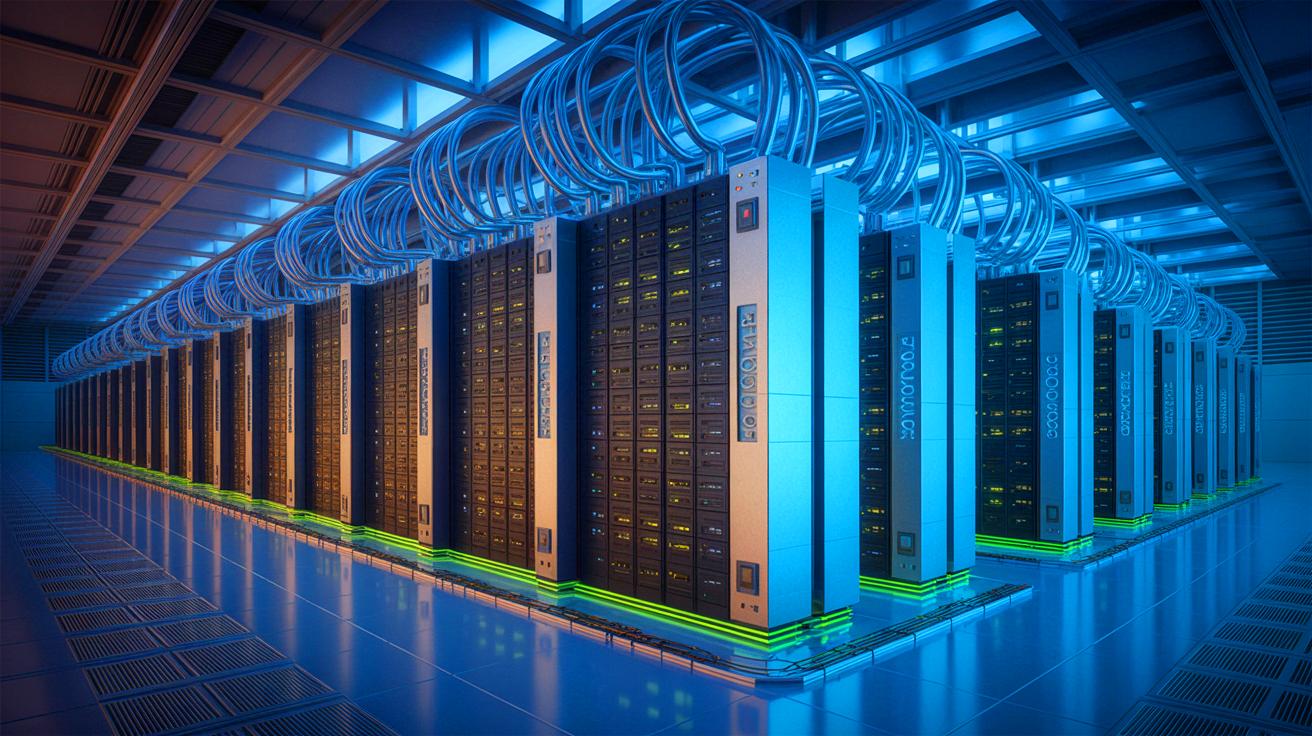
Aurora stands as one of the world’s most formidable computing systems, achieving exascale performance capable of executing more than a quintillion calculations per second. This immense computing power places it alongside other elite systems like the DOE’s Frontier and El Capitan supercomputers. Aurora’s architecture, featuring 63,744 GPUs, is a marvel of engineering and represents one of the largest GPU-driven systems ever constructed. Developed in collaboration with Intel and HPE, it utilizes Intel’s unified architecture to blend AI and high-performance computing into a cohesive scientific powerhouse.
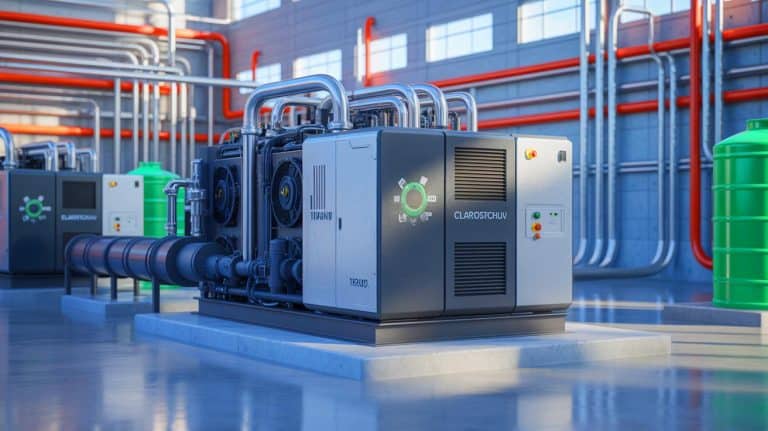
Housed in the Argonne Leadership Computing Facility, Aurora spans a vast area equivalent to two basketball courts. The system incorporates over 300 miles of network cabling and nearly 85,000 network endpoints, all maintained at optimal temperatures through an advanced water-cooling system. This infrastructure not only highlights the sophisticated design but also underscores the importance of meticulous planning and execution in supercomputing development. Aurora’s capabilities are set to redefine what is possible in scientific research and innovation.
Revolutionizing Scientific Frontiers
Aurora is already making significant strides in various scientific disciplines, demonstrating its immense potential in driving innovation. In the field of biomedical research, Aurora is revolutionizing the way researchers model viral evolution, improve cancer treatments, and map brain connectivity. By combining AI with physics-based simulations, it advances drug discovery and enhances global health preparedness, providing new tools to combat future pandemics and complex diseases.
In aerospace engineering, Aurora’s ability to simulate airflow with extreme detail is helping engineers understand turbulence and aerodynamic lift, reducing the need for physical prototypes. This capability accelerates the design of quieter, more fuel-efficient aircraft. Moreover, Aurora is pivotal in advancing fusion energy research, simulating the intense conditions inside fusion reactors to bring scientists closer to achieving controlled, sustainable fusion power. Support for quantum computing development is also a key feature, with Aurora aiding in the validation of quantum randomness and simulation of quantum algorithms, paving the way for future scientific breakthroughs.
Collaborative Efforts for Global Impact
The launch of the Aurora supercomputer is a shining example of how public-private collaboration can drive technological milestones. The joint efforts of the Department of Energy, Intel, HPE, and a network of global researchers illustrate the power of aligning innovation, infrastructure, and expertise. Available to researchers across the U.S. and internationally through the DOE’s user facility network, Aurora is expected to catalyze innovation for years to come.
By enabling faster and more accurate analysis of complex systems, Aurora promises to shape the next generation of technologies, from clean energy and personalized medicine to advanced materials and secure digital infrastructure. This collaborative initiative paves the way for transformative advancements in science and technology, emphasizing the significant impact of such partnerships on the global stage.
The Aurora supercomputer is a cornerstone for the future of science, with the potential to empower discovery and solve the grand challenges of our time. As researchers continue to explore its vast capabilities, Aurora stands ready to illuminate new paths in AI, simulation, and data-driven innovation. How will this cutting-edge system continue to transform the scientific landscape, and what future breakthroughs will it enable?