


| IN A NUTSHELL |
|
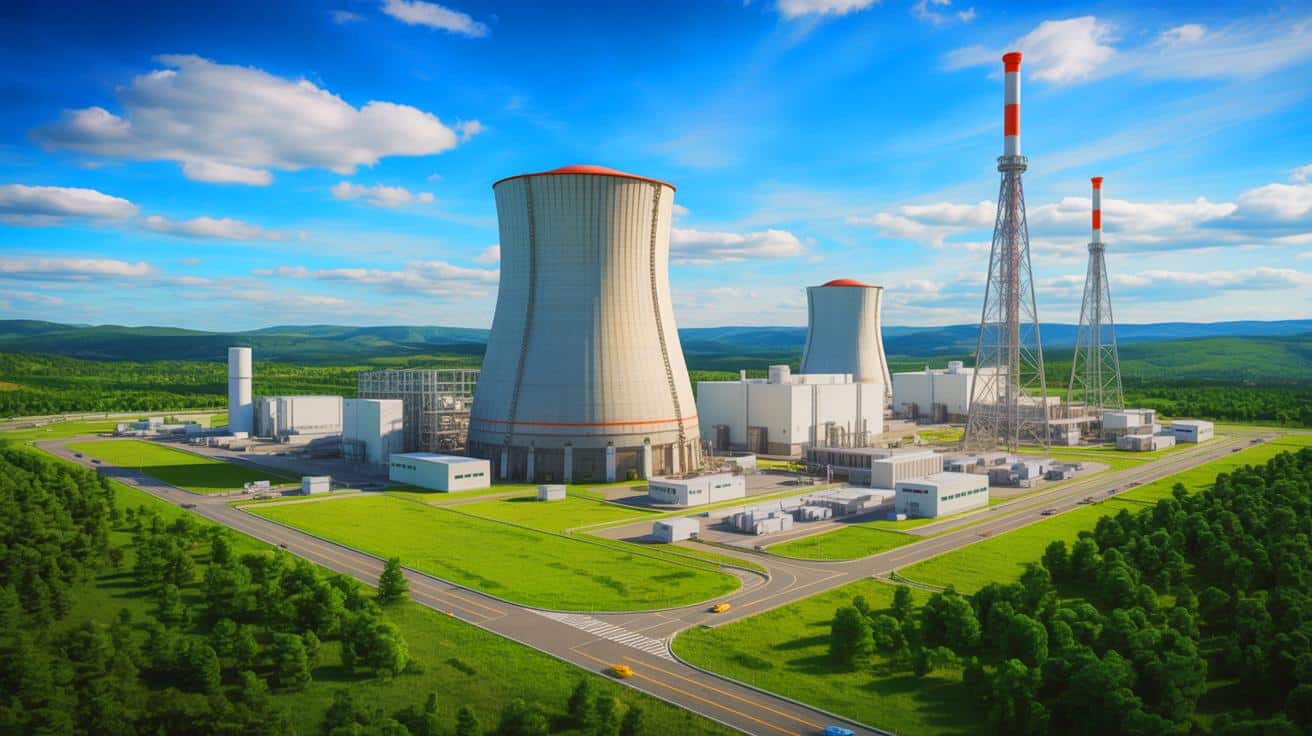
The United States is taking a pivotal step toward revitalizing its nuclear energy sector with a new pilot program designed to expand domestic nuclear fuel production capabilities. Announced by the Department of Energy (DOE), this initiative is set to bolster the development of advanced nuclear reactors while reducing dependence on foreign sources for enriched uranium and other vital materials. By opening up applications to qualified U.S. companies for constructing and operating advanced nuclear fuel production lines, the DOE aims to establish a reliable domestic supply chain. This effort, spearheaded by Energy Secretary Chris Wright, is not just about technological advancement but also about securing the nation’s energy future.
The Need for a Robust Nuclear Supply Chain
The current state of America’s nuclear supply chain is fragile, with a significant portion of enriched uranium being imported, exposing the nation to potential disruptions and geopolitical tensions. To mitigate these risks, the DOE is leveraging its authority to fast-track the development of domestic fuel production lines. This initiative is a strategic move aimed at fortifying national energy security by ensuring a consistent and reliable source of nuclear fuel. Applicants for the program will be responsible for the comprehensive development of these lines, from construction to decommissioning, and must also secure their own nuclear feedstock materials. Proposals will be evaluated based on technological readiness, fuel fabrication plans, and financial viability. By addressing these challenges, the DOE is taking a crucial step toward a more resilient energy infrastructure.
Timeline for Advancements in Nuclear Technology
The DOE’s new fuel initiative is part of a broader effort launched in June 2025 to accelerate the testing of advanced reactor designs. These designs aim to achieve nuclear criticality by July 4, 2026, moving beyond the traditional confines of National Laboratories. The Department plans to select at least three advanced reactor designs later this summer, with these designs benefiting from the new fuel infrastructure and streamlined authorization pathways. The initial application deadline for nuclear fuel production lines is August 15, 2025, although the DOE will continue to accept applications on a rolling basis. This timeline underscores the urgency and commitment of the DOE to push forward with nuclear innovation and deployment.
Unlocking Private Investment Through DOE Authorization
The DOE’s authorization process offers a unique advantage for facilities involved in the pilot program. Initially meant for research and demonstration purposes, these authorized facilities could pave the way for future commercial licensing and attract private-sector investment. This process is designed to bridge the gap between federal innovation and market deployment, enabling companies to move toward commercial-scale nuclear fuel operations more rapidly than under traditional regulatory pathways. By facilitating private investment, the DOE is not only advancing technological innovation but also ensuring that the U.S. remains competitive in the global nuclear energy market.
The Imperative of Expanding Nuclear Fuel Production
Expanding domestic nuclear fuel production is essential for the United States as it pursues goals of decarbonization and energy security. Nuclear power offers a reliable, emissions-free energy source, but without a secure and scalable supply of advanced nuclear fuel, the deployment of next-generation reactors at scale is not feasible. Establishing this infrastructure now ensures that the U.S. remains a leader in global nuclear innovation and is equipped to meet both energy and national security needs in the coming decades. By re-establishing the U.S. as a hub for nuclear fuel production, the DOE is laying the groundwork for a more secure, self-reliant, and technologically advanced energy future.
As the DOE’s pilot program unfolds, the potential for innovation and investment in the U.S. nuclear sector appears promising. With a focus on securing domestic supply chains and fostering public-private partnerships, the initiative represents a significant step toward a sustainable and secure energy future. How will these efforts reshape the landscape of nuclear energy in the U.S., and what role will private investment play in this evolving narrative?