


| IN A NUTSHELL |
|
The European Space Agency (ESA) has embarked on a groundbreaking journey with the launch of the INVICTUS program, in collaboration with UK-based Frazer-Nash. This initiative aims to develop cutting-edge hypersonic flight technologies that could redefine the future of aerospace travel. With the potential to revolutionize reusable vehicles capable of horizontal launches, the program promises to pave the way for new horizons in both terrestrial and orbital transportation. By focusing on sustained hypersonic flight within the atmosphere, INVICTUS is set to become a cornerstone in aerospace innovation, offering a glimpse into an era where space travel becomes more accessible and efficient.
Revolutionizing Aerospace with INVICTUS
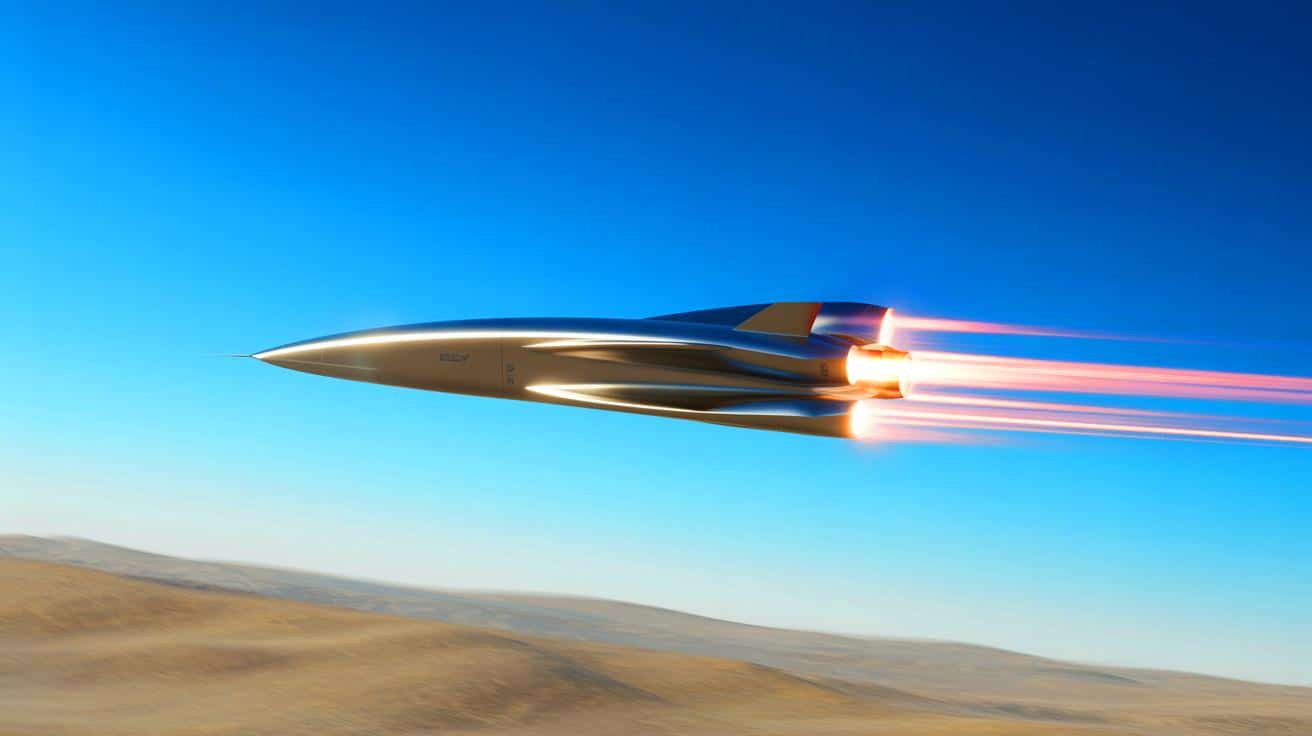
INVICTUS is a project under the auspices of ESA’s General Support Technology Programme (GSTP) and Technology Development Element (TDE). It represents the culmination of years of research and is a fully reusable experimental aerospace vehicle designed to fly at Mach 5, or five times the speed of sound. By allowing for the exchange of materials, software, and propulsion systems between flight test campaigns, the vehicle demonstrates the potential for adaptability and growth in technology. This initiative is not only about reaching new heights but also about creating a sustainable model for aerospace development that can adapt to evolving technological demands. In essence, INVICTUS is a bold step forward in demonstrating the viability of hypersonic flight within the realm of reusable aerospace vehicles.
Opportunities and Challenges in Hypersonic Technology Testing
The INVICTUS program capitalizes on prior technology developments managed by ESA, opening up new avenues for industry, agencies, and academia to test future hypersonic flight technologies in realistic conditions. Operating at such high speeds presents significant challenges, primarily due to the extreme heat generated on the aircraft’s outer surface and the air entering the engines. This phenomenon, known as shock heating, necessitates specialized technologies and unique propulsion systems to withstand the high temperatures and maintain functionality. David Perigo, ESA’s chemical propulsion engineer and the program’s technical lead, emphasized that the program will validate the use of a hydrogen-fueled precooled air-breathing propulsion system, which is crucial for horizontal take-off and hypersonic flight. This comprehensive testing of the entire engine flow path, from intake to afterburner, is poised to provide critical insights into the future of hypersonic propulsion systems.
Precooler Systems and the Path to Spaceplanes
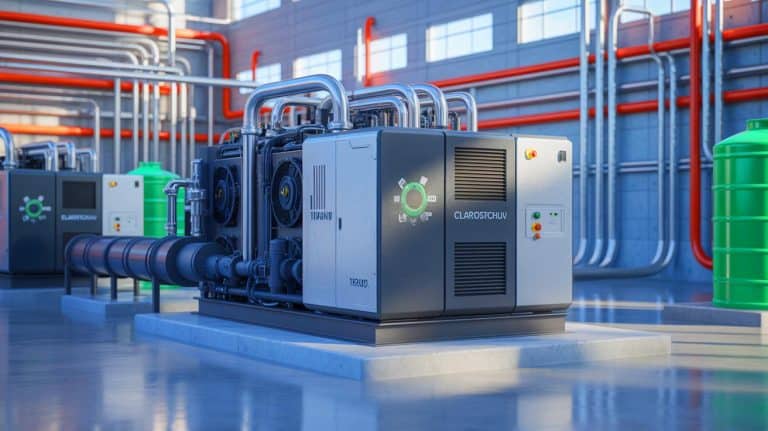
A key technological advancement within the INVICTUS program is the development of the precooler system, which builds on technology from ESA’s SABRE study. Designed by Reaction Engines Ltd. and initially funded through ESA’s GSTP, the precooler system can chill superheated air in a fraction of a second. This innovative technology has already been successfully integrated with conventional jet engines, highlighting its potential to revolutionize aerospace propulsion. The lightweight architecture of a SABRE-like engine supports the development of true spaceplanes that can take off horizontally from runways. This represents a significant step toward making widespread access to space a reality. As Sarah Wilkes, Managing Director at Frazer-Nash, notes, the INVICTUS initiative is an exciting opportunity to advance space technology and realize dual-use capabilities, supported by strong industry collaboration and deep engineering expertise.
The Future of Hypersonic Flight
Over the coming year, the INVICTUS consortium, led by Frazer-Nash and including partners like Spirit AeroSystems and Cranfield University, will focus on delivering the preliminary design for the full hypersonic flight system. Tommaso Ghidini, Head of ESA’s Mechanical Department, highlights the transformative potential of mastering reusable, air-breathing propulsion. Such advancements lay the groundwork for aircraft that take off like planes and reach orbit like rockets, heralding a new era in both terrestrial and orbital transportation. Hypersonic flight is not merely the next frontier in aerospace; it represents a gateway to a new paradigm of mobility, defense, and space access. With INVICTUS, Europe positions itself at the forefront of technologies that will fundamentally alter how we navigate our planet and explore beyond its confines.
The INVICTUS program stands as a testament to the power of innovation in aerospace technology. By pushing the boundaries of what is possible with hypersonic flight, ESA and its partners are not only charting a course for the future of transportation but also challenging the limits of current technology. As we look to the skies and beyond, one must wonder: how will these advancements in hypersonic technology reshape our world in the years to come?