




| IN A NUTSHELL |
|
Global methane emissions are on the rise, presenting a significant challenge in the fight against climate change. A recent study by the University of Birmingham highlights the continued increase in methane emissions, driven by evolving trade patterns and industrial activities. Developing countries, particularly in Asia and the Pacific, are emerging as major contributors due to rapid industrialization and population growth. Despite methane’s shorter atmospheric lifespan compared to carbon dioxide, its impact on global warming is profound. The study underscores the urgency for global cooperation in addressing methane emissions, emphasizing the role of targeted strategies across various sectors. This comprehensive analysis sheds light on the complexities of methane management in an interconnected world.
Understanding Methane’s Impact on Climate Change
Methane is a potent greenhouse gas with a global warming potential significantly higher than carbon dioxide over a 20-year period. Its ability to trap heat in the atmosphere is estimated to be 80 times greater than CO₂ during this timeframe. This characteristic makes methane a critical target for climate change mitigation efforts. Reducing methane emissions can yield rapid climate benefits due to its relatively short atmospheric lifespan. This means that actions taken today can have immediate effects on atmospheric concentrations.
The study reveals that methane has contributed approximately 30% to global warming since pre-industrial times. Moreover, methane is a major contributor to air pollution, which is linked to around one million premature deaths each year. This dual impact on climate and health underscores the necessity of addressing methane emissions in climate strategies. The study provides a detailed analysis of emissions across 164 countries and 120 sectors, offering a comprehensive view of methane’s role in global warming.
Chaos Erupts Amidst Talks: The Unexpected Twist That Could Reshape the Future of Global Pollution
The Role of Trade in Methane Emissions
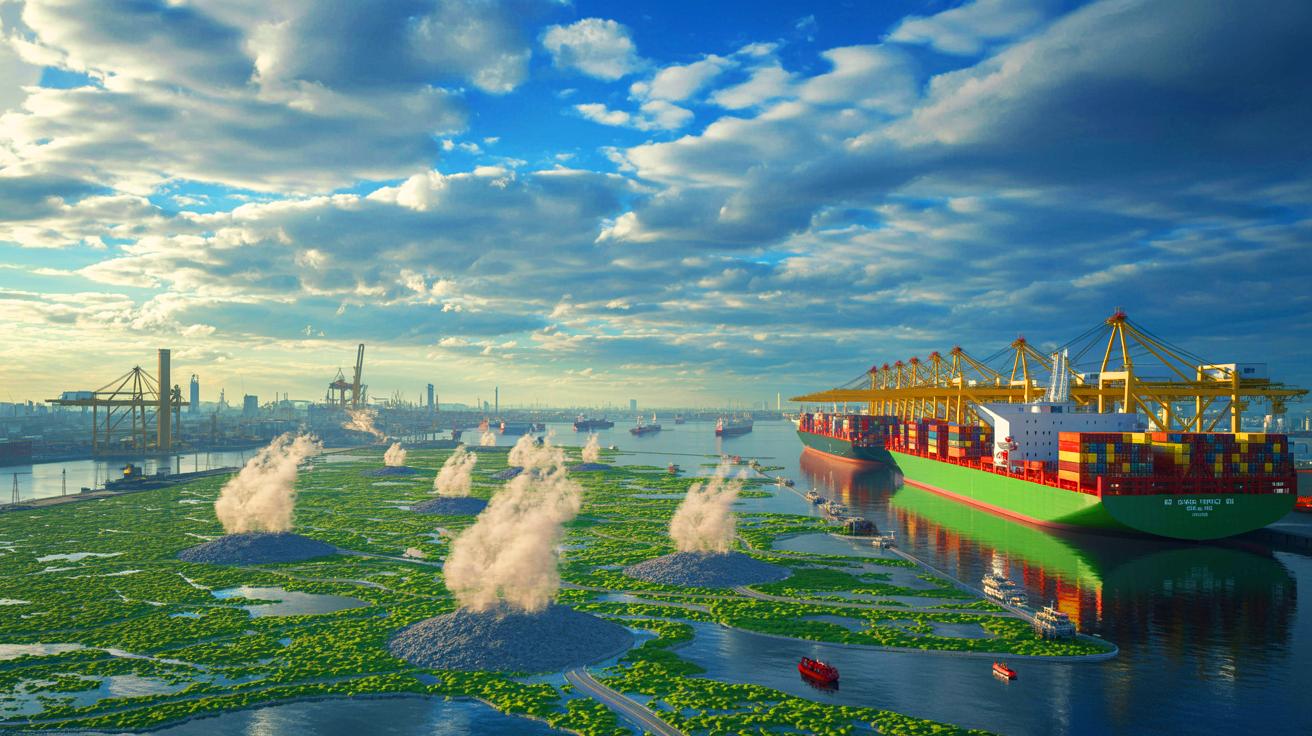
Trade patterns have a significant influence on methane emissions. The study finds that global trade, particularly in the shipping sector, contributes about 30% to global methane emissions. As trade shifts towards South-South transactions, developing countries, which often lack the technological advancements of developed nations, see increased emissions. This shift is largely driven by the rapid industrialization of these regions, coupled with growing population demands.
Professor Klaus Hubacek from the University of Groningen emphasizes the need for policymakers to incorporate methane into national climate strategies. Understanding where and why emissions occur is crucial for effective management. The study highlights the importance of considering the entire supply chain in efforts to reduce methane emissions. This comprehensive approach can help in identifying key areas for intervention and improvement.
Strategies for Mitigating Methane Emissions
Mitigating methane emissions requires coordinated global efforts and targeted strategies across various sectors. The study identifies several key areas for action, including agriculture, energy, and waste management. Fertilizer production and livestock farming are highlighted as significant sources of methane emissions. Implementing advanced leak detection technologies in oil and gas extraction, improving livestock feed formulations, and enhancing waste management practices are recommended strategies.
Smarter consumption choices, such as reducing red meat intake, can also contribute to lower methane emissions. Developed countries have demonstrated that it is possible to reduce emissions while maintaining economic growth through improved production efficiency. This highlights the potential for technological innovations and policy interventions to play a crucial role in mitigating emissions. The study calls for global collaboration to replicate these successes in developing regions where emissions are rising fastest.
Technological Advancements in Reducing Emissions
Technological advancements have played a critical role in reducing methane emissions. Between 1998 and 2023, global average methane emission coefficients decreased by nearly 67%. This reflects significant progress in energy efficiency and cleaner production technologies. However, ongoing economic growth and changing consumption patterns continue to drive emissions upward, emphasizing the need for sustained technological innovation.
The road to greenhouse gas reduction is complex and multifaceted. While improvements in technology have helped offset some emission increases, continued efforts are essential to meet global climate goals. The study’s findings provide valuable insights for policymakers and industry leaders in crafting effective strategies for emission reductions. As the world grapples with the challenges of climate change, the role of technology and innovation remains pivotal in shaping a sustainable future.
The increasing methane emissions present a crucial challenge in the global effort to combat climate change. The study from the University of Birmingham underscores the need for coordinated global action to address this issue. As developing countries emerge as major contributors, the importance of international cooperation and technological innovation cannot be overstated. How can the global community effectively balance economic growth and environmental sustainability while reducing methane emissions?