




| IN A NUTSHELL |
|
In a world grappling with ever-increasing environmental challenges, the failure of the latest negotiations for a global plastics treaty underscores the complexity of international consensus-building. These negotiations, intended to forge a comprehensive and legally binding agreement, have yet to yield a final text. Despite this setback, the determination to tackle plastic pollution remains resolute. As the Intergovernmental Negotiating Committee (INC) adjourns without consensus, the path forward appears fraught with obstacles but also potential solutions. The question of how to effectively manage plastic pollution continues to divide nations, revealing deeper geopolitical and economic rifts.
The Stalemate in Geneva
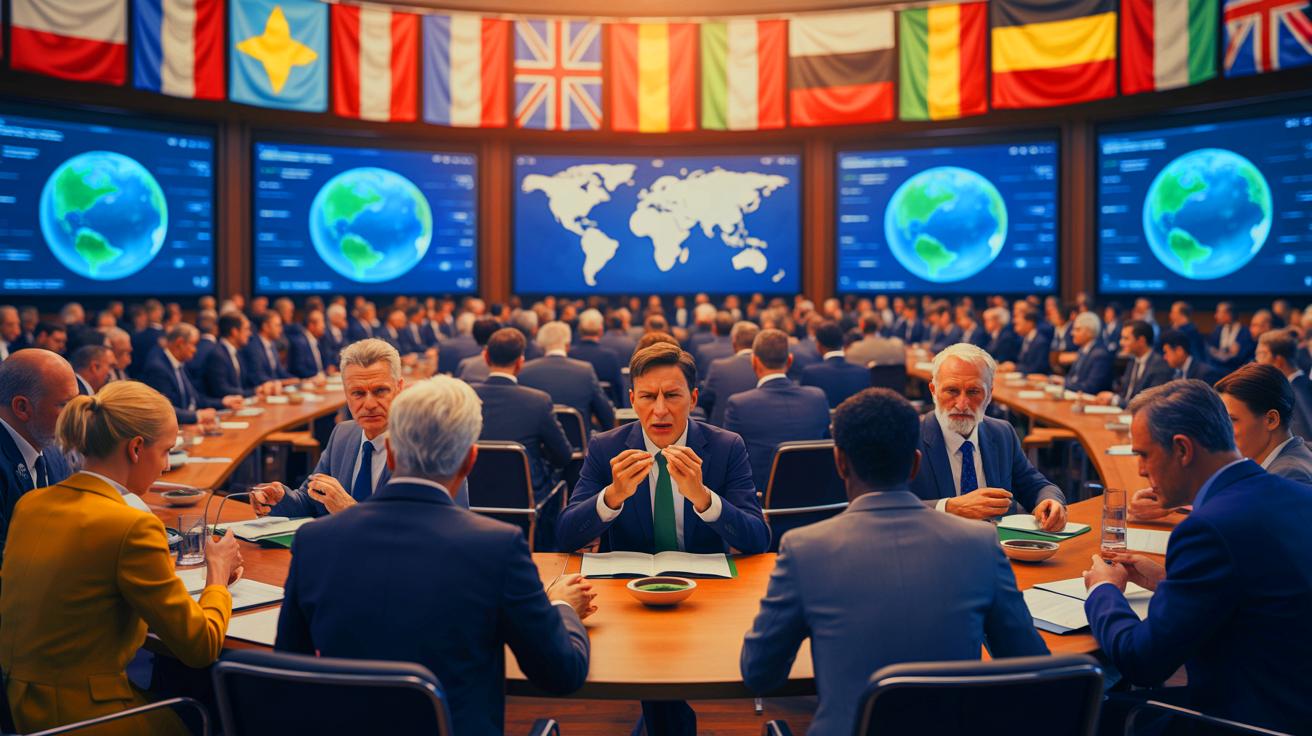
The recent session of the Intergovernmental Negotiating Committee in Geneva was marked by a palpable tension as member states failed to finalize a draft for the global plastics treaty. This session, known as INC-5.2, attracted over 2,600 participants, including 1,400 delegates from 183 countries. Despite the high level of engagement, delegates departed without reaching a consensus. The primary aim was to agree on a treaty text that could serve as a foundation for future discussions at a diplomatic conference.
Negotiations were organized into four contact groups, each focusing on critical areas such as plastic design, production limits, and financial mechanisms. However, these groups were unable to reconcile the differing priorities of participating nations. Inger Andersen, Executive Director of the UN Environment Programme, acknowledged the challenges posed by geopolitical complexities and economic constraints. She emphasized that while no treaty text was agreed upon, the commitment to addressing plastic pollution remains unwavering.
Nuclear Energy in America: ‘This Is the Only Way Forward’ for Our Economy and Society’s Future
The Core Dispute: Production vs. Pollution Management
At the heart of the stalled negotiations lies a fundamental ideological divide. One coalition, consisting of about 100 countries, advocates for reducing plastic pollution by capping production. They argue that significant reductions in plastic output are essential to mitigate the crisis. Conversely, some major oil-producing nations, including Saudi Arabia and Russia, resist production caps. They emphasize the economic importance of plastics, derived from fossil fuels, especially as the world shifts away from traditional energy sources.
This latter group, often supported by plastic manufacturers, contends that the focus should be on improving waste management and recycling infrastructure rather than limiting production. The inability to bridge this divide has consistently hindered progress, leaving the future of the treaty uncertain. The contrasting approaches highlight the broader challenges of balancing environmental responsibility with economic interests.
The Road to Negotiations
The journey toward crafting a global plastics treaty began with a landmark resolution at the UN Environment Assembly in March 2022. This resolution initiated the INC process with the goal of establishing a legally binding instrument to combat plastic pollution. Over the years, several sessions have been held in various locations, including Punta del Este, Paris, Nairobi, and Ottawa.
Despite the ambitious start, the process has faced numerous hurdles. The recent Geneva talks were based on a Chair’s Text from a previous session in Busan. During the session, both a Draft Text Proposal and a Revised Text Proposal were introduced, but consensus remained elusive. As a result, the future of the treaty hangs in balance, awaiting further discussions at an undetermined date.
Industry Perspectives on the Impasse
The plastics industry has been vocal in its response to the failed negotiations. Industry leaders urge member states to continue efforts to reach a global consensus on policies addressing plastic pollution. Virginia Janssens, Managing Director at Plastics Europe, expressed disappointment over the impasse but praised the ongoing commitment to negotiations. She highlighted the importance of establishing a unified approach that includes sustainable production and effective waste management.
Industry stakeholders advocate for a treaty that transforms end-of-life plastics into valuable resources rather than waste. They emphasize the need for a circular economy framework that promotes sustainable practices and accountability. The industry’s stance reflects a recognition of the global nature of plastic pollution and the necessity of coordinated international action.
The Imperative for a Global Treaty
Addressing plastic pollution is not merely an environmental concern; it is a critical necessity for the health of our planet. Plastic waste, particularly single-use items, is pervasive, affecting ecosystems from the deepest oceans to the highest peaks. Marine life suffers from ingesting plastic debris, while microplastics infiltrate food, water, and air, posing potential health risks to humans.
Furthermore, plastic production is closely tied to the fossil fuel industry, contributing to greenhouse gas emissions and climate change. A legally binding international treaty is essential to establish enforceable targets for reducing plastic production and improving recycling processes. Without a concerted global effort, the plastic crisis will continue to escalate, threatening ecosystems, human health, and environmental stability. How can nations reconcile their differences to achieve a sustainable solution to this pressing issue?