




| IN A NUTSHELL |
|
On the ultra-exclusive island of Indian Creek, near Miami, a surprising conflict has emerged among some of the world’s wealthiest individuals, including Jeff Bezos and Tom Brady. The issue at hand is sewage. Despite its opulent residences, Indian Creek lacks a sewage treatment facility. In a controversial move, island authorities proposed diverting their waste to the neighboring town of Surfside. This unexpected development has sparked a heated debate about privilege, responsibility, and the burden placed on neighboring communities by the ultra-rich, highlighting broader societal tensions.
Billionaires’ Island Lacks Basic Sanitation
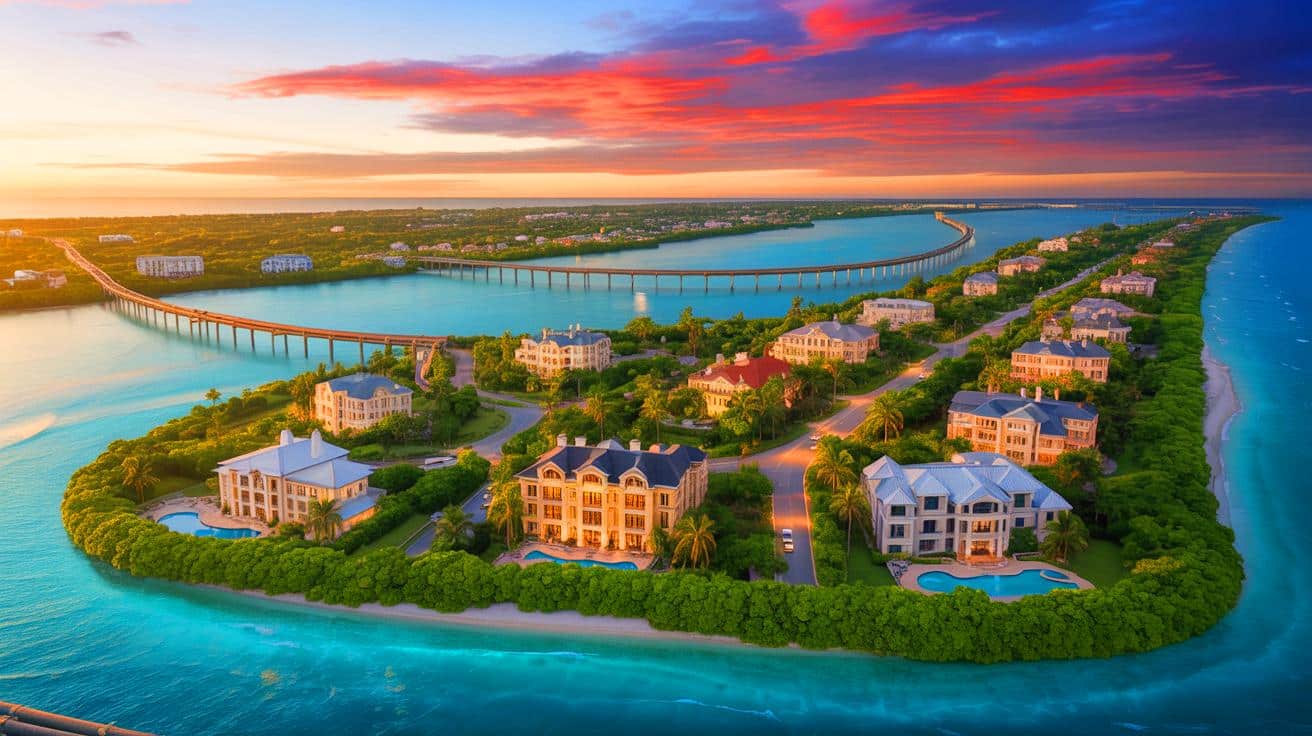
Indian Creek, often dubbed the “billionaire’s bunker,” is a man-made island hosting about 40 luxurious homes owned by some of the world’s wealthiest individuals. Despite its affluence, the island faces a significant shortcoming: the absence of a sewage treatment system. This deficiency has prompted local authorities to propose a straightforward yet contentious solution, redirecting their waste through the pipelines of the nearby town of Surfside. The proposal has raised eyebrows and concerns about environmental and social equity, as this affluent enclave seeks to offload its sewage problem onto its less wealthy neighbors.
Although Indian Creek is home to immense wealth, the lack of a sewage infrastructure raises questions about planning and responsibility. The island’s reliance on external solutions underscores the tension between maintaining an exclusive lifestyle and addressing basic municipal needs. This situation prompts a broader reflection on how communities, even those of significant means, handle essential services and the implications of their decisions on neighboring areas.
Surfside’s Firm Stance: Pay Up or No Deal
Surfside’s immediate reaction to Indian Creek’s proposal was resolute. While open to helping, Surfside stipulated a $10 million fee to absorb the additional sewage. This demand reflects the town’s need to cover historical maintenance costs and a $30 million debt incurred from recent sewage infrastructure renovations. Local officials argue that it is unfair for Surfside residents, who have invested in their town’s infrastructure, to bear the financial burden of Indian Creek’s inadequacies.
Surfside’s position highlights a broader issue of fiscal responsibility and the expectation that all communities, affluent or not, contribute to the costs of shared services. The town’s demand is a stand against the notion that wealth can absolve responsibility, emphasizing the importance of fair contribution to public utilities. This scenario exemplifies the ongoing struggle between affluent enclaves and surrounding communities over resource sharing and financial accountability.
Legislative Maneuvering Favors Indian Creek
Rather than comply with Surfside’s demand, Indian Creek’s residents sought intervention from the Florida Legislature. The result was a legislative maneuver that prohibited cities from blocking or charging for sewer pipeline extensions. This new law allows Indian Creek to connect to Surfside’s system without payment, despite local opposition. The legislative outcome has sparked significant criticism, viewed by many as a blatant example of privilege where the ultra-rich circumvent public costs, shifting the financial burden onto others.
The legislative decision has intensified debates over fiscal fairness and environmental justice, particularly in regions where economic disparities are pronounced. Critics argue that this move exemplifies how wealth and influence can alter public policy to favor a select few. The situation underscores the growing divide between affluent residents and the communities that surround them, raising questions about equity and the role of legislation in addressing or exacerbating these divides.
Implications for Local and National Debates
The conflict between Indian Creek and Surfside is emblematic of broader national conversations about wealth, privilege, and social responsibility. As debates over fiscal and environmental justice continue in the United States, this case illustrates the tensions that arise when affluent communities seek to offload their problems onto less wealthy neighbors. It also highlights the power dynamics at play when legislative bodies intervene in local matters, often tipping the scales in favor of those with significant resources.
This situation prompts reflection on the responsibilities of the wealthy in contributing to public goods and the mechanisms in place to ensure equitable sharing of resources. As communities grapple with these issues, the Indian Creek-Surfside conflict serves as a cautionary tale about the potential consequences of unchecked privilege and the importance of maintaining a balance between individual interests and community welfare.
As this situation unfolds, important questions remain about how communities can equitably share resources and responsibilities. How should local governments balance the needs of affluent areas with those of surrounding communities? And what role should legislation play in ensuring a fair distribution of public services? The resolution of these questions will be crucial in shaping future interactions between wealthy enclaves and their neighboring towns. What steps can be taken to ensure that all communities, regardless of wealth, contribute fairly to shared public services?