




| IN A NUTSHELL |
|
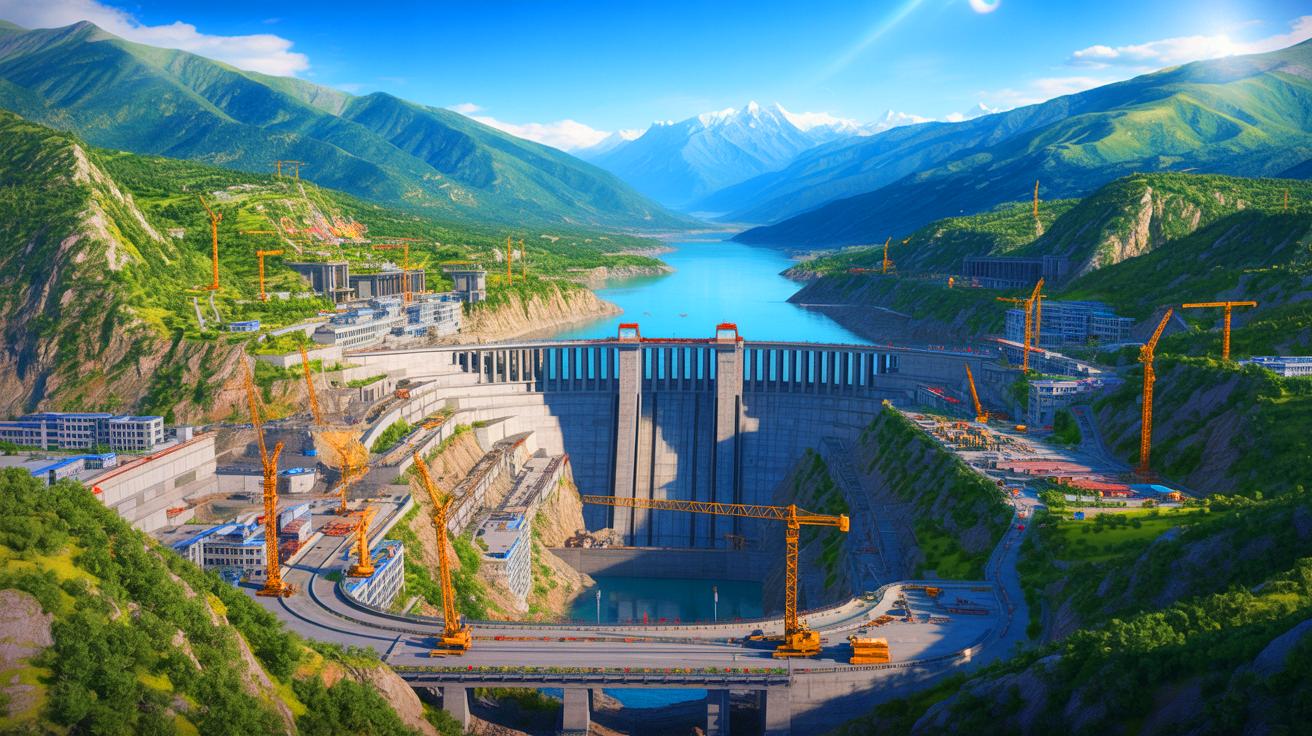
The hydroelectric landscape of China is on the brink of transformation with the inception of the Motuo Dam project. Announced on July 21, 2025, this ambitious endeavor is set to rise along the Yarlung Tsangpo River in Tibet. With its planned capacity of 60 gigawatts, the Motuo Dam aims to overshadow the current global leader, the Three Gorges Dam, which boasts a capacity of 22.5 gigawatts. As China pushes the boundaries of engineering, this project raises questions about the future of hydroelectric power and its implications for the region and beyond.
Motuo Dam: A Monumental Undertaking
The Motuo Dam is designed to be a long-lasting structure, with its planning spearheaded by the Chengdu Hydroelectric Engineering Bureau and the China Three Gorges Corporation. Nestled in one of the world’s most remote and deepest canyons, the dam is expected to stand at an elevation of 9,800 feet. Its specifications highlight its sheer scale. The installed capacity is projected at 60,000 megawatts, nearly triple that of the Three Gorges Dam.
Although the exact number of turbines has not been officially disclosed, estimates suggest around fifty high-efficiency Francis turbines, each with a unit capacity of 1,200 megawatts. The dam’s budget stands at a staggering $165 billion, with a minimum construction duration of 15 years. The nature of the canyon suggests a potential height exceeding 656 feet, demanding a hybrid arch-gravity structure. The site’s extreme environment, seismic activity, and high-altitude conditions pose significant challenges for construction and operation.
The Three Gorges Dam: A Benchmark in Hydroelectric Power
The Three Gorges Dam, located on the Yangtze River in Hubei province, has long been a symbol of China’s hydroelectric prowess. Commissioned between 2003 and 2012, it features an installed capacity of 22,500 megawatts, distributed over 32 Francis turbines, each generating 700 megawatts, plus two smaller units for domestic use. The dam rises 594 feet high, with a crest length of 7,661 feet.
Its reservoir stretches 373 miles, holding a storage capacity of 10.4 cubic miles. Annually, it produces approximately 100 terawatt-hours of electricity, although this varies. The Three Gorges Dam’s concrete gravity structure withstands immense frontal pressure and includes an advanced five-step lock system to facilitate river navigation. This engineering marvel has set a high standard that the Motuo Dam aims to exceed.
Environmental and Societal Implications
While the Motuo Dam represents a leap forward in hydroelectric capability, it brings significant environmental and social considerations. The construction and eventual operation of the dam will alter the Yarlung Tsangpo’s natural flow, impacting local ecosystems and potentially displacing communities. The remote location and high altitude present unique challenges for both workers and machinery, necessitating innovative solutions to ensure safety and efficiency.
In addition, the Motuo Dam’s construction will require vast resources and labor, raising questions about the project’s sustainability and the long-term benefits versus its immediate costs. As the world grapples with climate change, the role of large-scale hydroelectric projects in reducing carbon emissions is a point of debate, balancing ecological impact with the need for renewable energy sources.
The Future of Hydroelectric Power
The Motuo Dam project signifies China’s commitment to advancing its hydroelectric capabilities. However, the endeavor also prompts a broader discussion on the future of energy production. As global demand for clean energy increases, countries must weigh the benefits of large-scale projects like Motuo against their environmental and social costs. The success of the Motuo Dam could set a precedent for future developments, influencing international strategies for renewable energy.
As technological advancements continue to shape the energy landscape, the challenge lies in creating sustainable solutions that meet growing demands while preserving the planet’s ecosystems. The Motuo Dam’s progress will be closely watched as a potential model for future hydroelectric projects worldwide.
The Motuo Dam project embodies both the potential and challenges of modern engineering. As it progresses, it will be crucial to monitor its impact on the environment and local communities. How will the lessons learned from this project inform future energy initiatives, and what role will hydroelectric power play in the global transition to sustainable energy?