


| IN A NUTSHELL |
|
In the bustling city of Chifeng, located in the Inner Mongolia Autonomous Region, a groundbreaking initiative is taking shape. China has unveiled the world’s largest green hydrogen and ammonia plant, a pioneering effort by Envision Energy. This facility is not only a testament to technological advancement but also a beacon of hope towards a sustainable future. By harnessing renewable energy sources like wind and solar, the plant aims to produce ammonia without carbon emissions. This development marks a significant step towards reducing reliance on fossil fuels and sets a precedent for future industrial sustainability worldwide.
Revolutionizing Energy Production in Chifeng
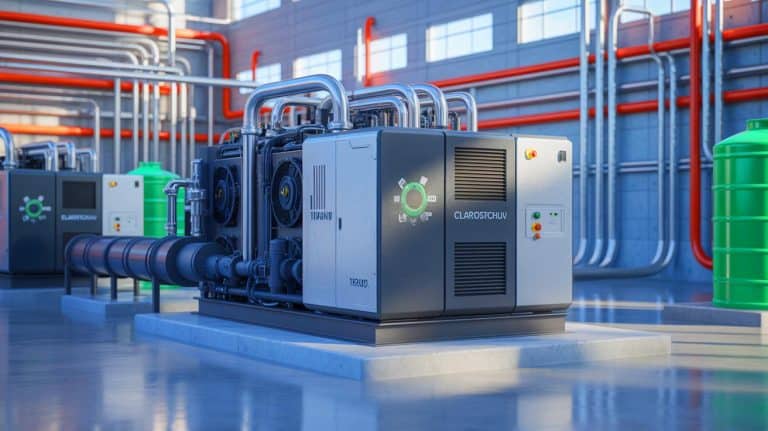
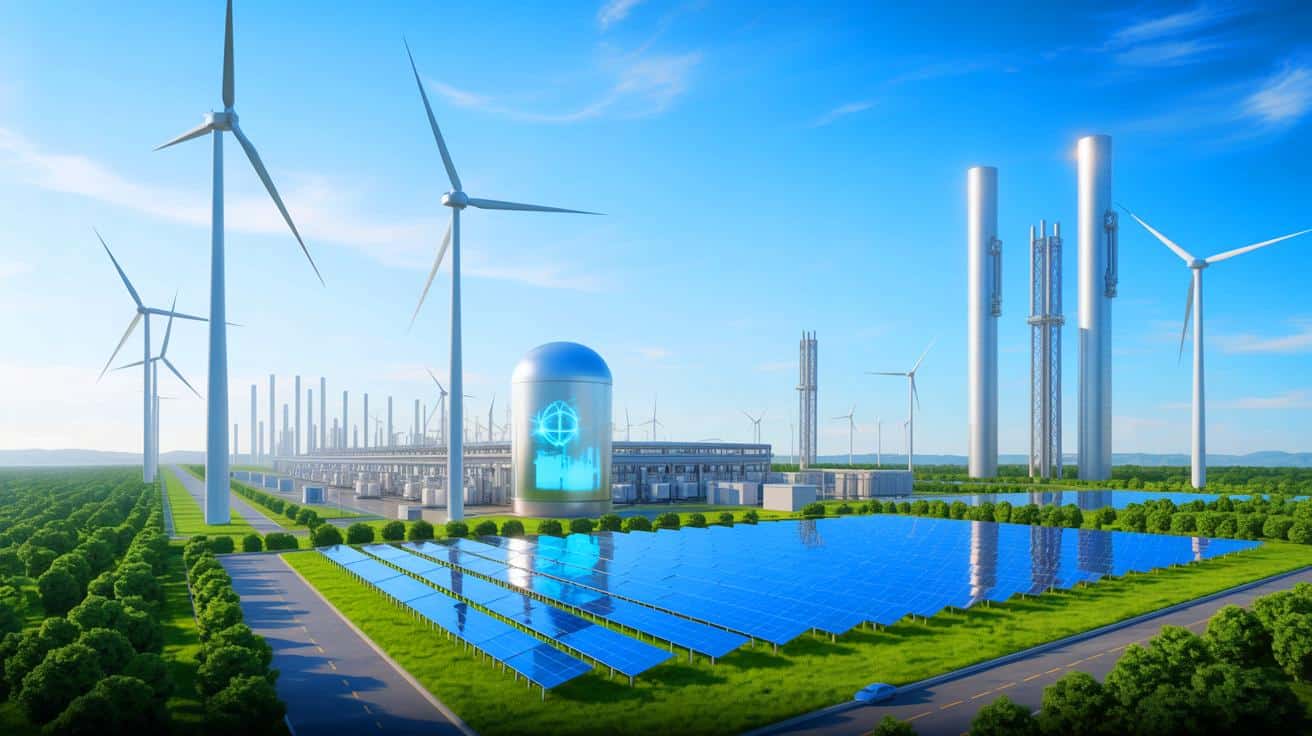
Chifeng’s new facility is a marvel of modern engineering and environmental stewardship. Envision Energy has created a plant that produces green hydrogen and ammonia at an industrial scale, utilizing a 100% renewable energy supply. This off-grid plant operates on the largest renewable energy system of its kind, leveraging artificial intelligence to optimize production. The facility is capable of producing an astounding 300,000 tons of green ammonia annually, with plans to scale up to 1.5 million tons by 2028.
The production process takes advantage of cutting-edge technology. By using electrochemical methods powered by renewable electricity, Envision efficiently converts water and air into ammonia. This process not only eliminates carbon emissions but also provides a versatile energy carrier that can be easily stored and transported. The implications of this are profound, as it positions ammonia as a viable alternative to traditional fossil fuels in various applications, including transportation and heavy industry.
Harnessing AI for Industrial Optimization
The integration of artificial intelligence in the Chifeng plant is a game-changer for industrial efficiency. The AI system continuously monitors and adjusts the production process based on weather conditions and resource availability. This ensures that the plant operates at optimal efficiency, minimizing waste and maximizing output. The ability to store excess electricity in the form of liquid nitrogen further enhances the plant’s operational flexibility.
This innovative approach to energy storage and management underscores the potential for AI in transforming industrial operations. By adapting to real-time conditions, the plant not only maintains a steady production rate but also contributes to grid stability. This level of smart manufacturing sets a new standard for industries looking to reduce their carbon footprint while maintaining economic viability.
The Global Impact of Green Ammonia
Envision’s project in Chifeng is not just a local triumph; it has global ramifications. The modular and replicable nature of the plant makes it an attractive model for countries seeking to transition to renewable energy. Agreements like the one with Marubeni Corporation highlight the increasing demand for green ammonia as an export commodity. This marks the beginning of a global shift towards sustainable energy solutions.
Green ammonia’s versatility as an energy source presents numerous opportunities. Its potential applications range from fueling cargo ships to powering industrial zones and even generating electricity in remote areas. As countries worldwide grapple with the challenge of reducing carbon emissions, the Chifeng plant provides a viable pathway to achieving these goals. The global energy landscape is poised for transformation, with green ammonia leading the charge.
Comparing Conventional and Green Ammonia
| Criteria | Conventional Ammonia | Green Ammonia |
|---|---|---|
| Energy Source | Natural Gas (Methane) | Renewable Energy (Solar, Wind) |
| CO₂ Emissions (per ton) | 1.6 to 2 tons | 0 tons |
| Energy Efficiency (%) | 55 to 65% | 45 to 55% |
| Estimated Production Cost (USD/ton) | $290 to $460 | $690 to $1,030 |
| Impact on Air Quality | High (NOx, CH₄) | Low to None |
| Recycling or Co-benefit | No, High Fossil Dependence | Yes (Hydrogen + Indirect Decarbonization) |
As we witness these advancements, one can’t help but wonder: how will the widespread adoption of green ammonia reshape our world’s energy landscape in the years to come?