



| IN A NUTSHELL |
|
In a remarkable breakthrough, researchers at the Massachusetts Institute of Technology (MIT) have developed a transformative method for producing clean hydrogen fuel. By recycling soda cans and utilizing seawater, this innovative process promises to significantly reduce carbon emissions. This novel approach not only aims to make hydrogen production more accessible but also emphasizes environmental sustainability. As the world grapples with the urgent need to transition away from fossil fuels, MIT’s invention could play a pivotal role in reshaping our energy landscape. This article delves into the potential implications and applications of this cutting-edge technology.
The Role of Hydrogen as a Clean Fuel
Hydrogen is often heralded as a future energy solution due to its clean-burning properties, emitting no carbon dioxide when used. However, most of today’s hydrogen is produced using fossil-fuel-based methods, which negates its environmental benefits. The new method developed at MIT offers a greener alternative by utilizing recycled aluminum from soda cans and seawater.
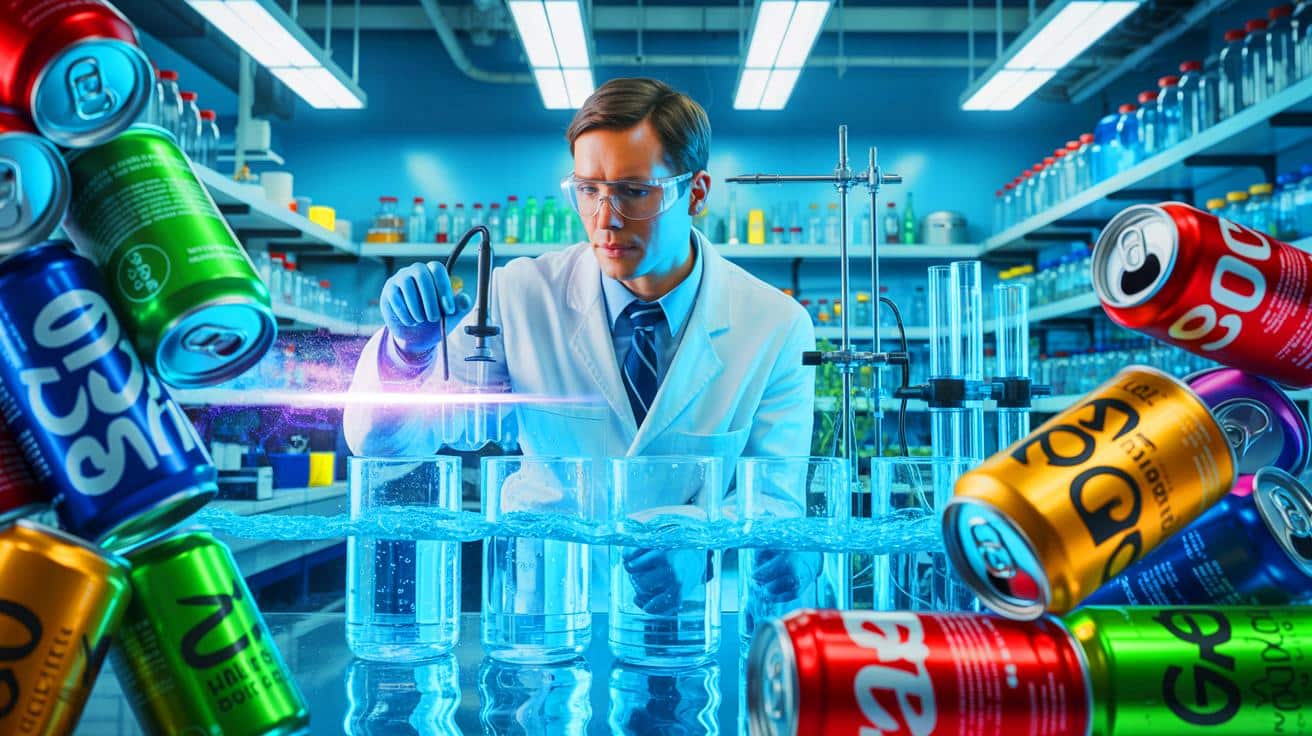
The process hinges on a chemical reaction between aluminum and water. Typically, aluminum is protected by a thin oxide layer that prevents it from reacting with water. MIT researchers have overcome this barrier by employing an alloy of gallium and indium, which effectively removes the protective layer. The presence of salt in seawater further aids in the recovery and reuse of this alloy, making the process efficient and sustainable.
An Eco-Friendly and Economical Method
According to a study published in Cell Reports Sustainability, producing one kilogram of hydrogen using this method results in just 1.45 kilograms of carbon dioxide emissions. This is a stark contrast to the approximately 11 kilograms of CO₂ emitted per kilogram of hydrogen produced by traditional fossil-fuel-based methods. This new approach thus offers a carbon footprint comparable to renewable energy techniques.
Economically, the estimated cost of producing a kilogram of hydrogen with this technology is around $9. This makes it competitive with other green solutions, such as solar or wind energy. In addition to reducing greenhouse gas emissions, this advancement makes hydrogen more affordable and accessible, potentially accelerating its adoption across various sectors.
From Theory to Practice
The potential applications of this technology are vast. Researchers envision practical solutions for integrating this method into everyday life. For instance, pre-treated aluminum pellets could be distributed to gas stations, where they would be combined with seawater to produce hydrogen on demand. This could simplify the storage and transportation of hydrogen, a gas typically considered volatile.
Potential applications extend beyond road vehicles to include electric bicycles, small cars, and even maritime uses such as boats or underwater drones. Additionally, the process generates boehmite as a byproduct, which has applications in the electronics and semiconductor industries.
Environmental Prospects and Future Projections
This innovation cleverly combines advanced chemistry with effective recycling, leveraging natural resources to produce truly clean hydrogen. It aligns with the principles of a circular bioeconomy and could democratize hydrogen-powered transportation while minimizing emissions.
As highlighted by researcher Kombargi, “This work highlights the potential of aluminum as a clean energy source and offers an evolutionary pathway for deploying low-emission hydrogen in remote transport and energy systems.” The implications for sustainable energy are profound, and the potential for deployment across various sectors is promising.
As the world seeks sustainable energy solutions, MIT’s breakthrough presents a compelling case for the future of hydrogen as a clean fuel. With its potential to reduce emissions and its economic viability, can this innovative method spearhead a new era of environmentally friendly energy production? The answer may lie in the widespread adoption and integration of this technology into our daily lives.