


| IN A NUTSHELL |
|
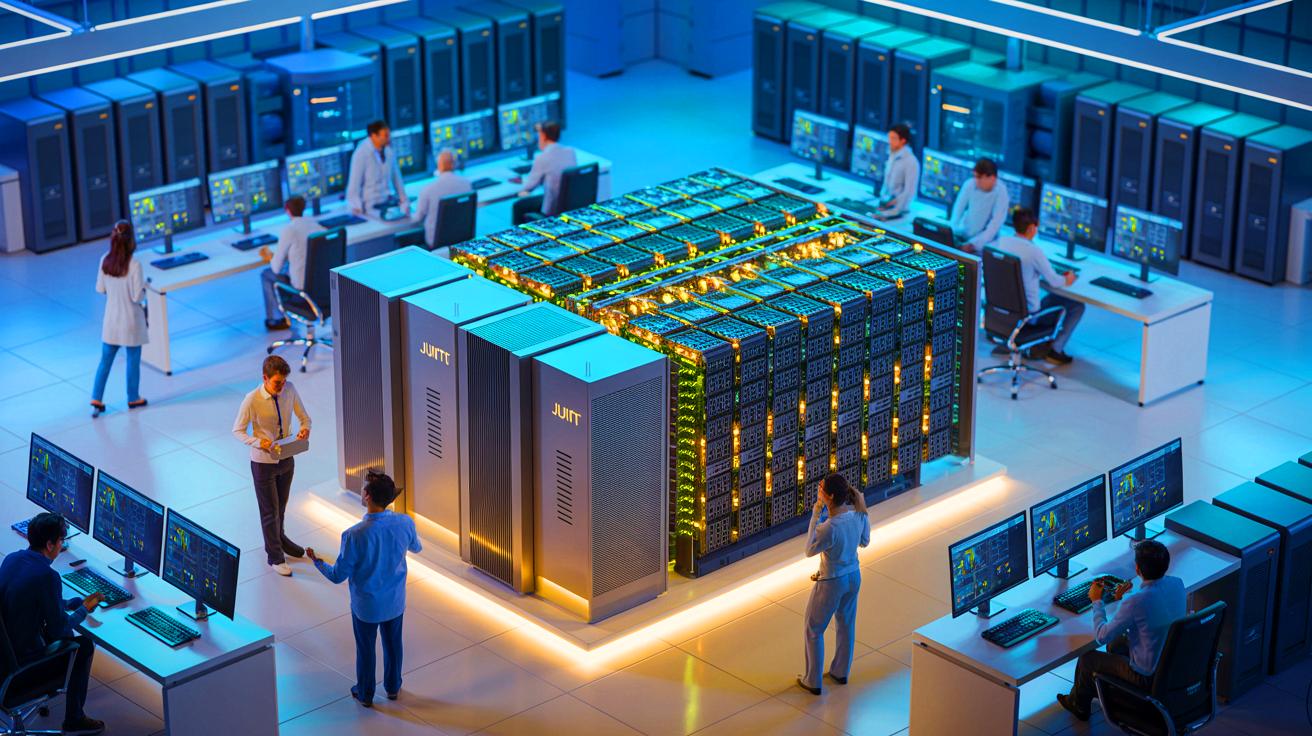
Europe has taken a significant leap into the future of high-performance computing with the launch of the JUPITER supercomputer in Jülich, Germany. This groundbreaking machine marks an important milestone as the first European system to reach the exascale threshold. Capable of performing over one quintillion operations per second, JUPITER stands as Europe’s most powerful supercomputer and the fourth fastest in the world. This development, celebrated by EU officials and leaders, underscores Europe’s commitment to advancing technological prowess and innovation. As JUPITER begins operations, it promises to reshape research, industry, and technology across the continent.
JUPITER’s Technological Milestone
The recent inauguration of the JUPITER supercomputer at Forschungszentrum Jülich has officially placed Europe in the elite circle of global high-performance computing. Launched by EU Commissioner Zaharieva and German Chancellor Friedrich Merz, JUPITER is a testament to Europe’s growing technological capabilities. The supercomputer is designed to perform over one quintillion operations per second, equating to the power of one million modern smartphones combined.
Henna Virkkunen, Executive Vice-President for Tech Sovereignty, Security and Democracy, emphasized the importance of this achievement. She described JUPITER as a gravitational force for Europe’s research community, startups, and industry. The supercomputer is expected to attract significant investment, stimulate scientific breakthroughs, and propel Europe into a new era of technological leadership.
Sustainability at the Heart of JUPITER
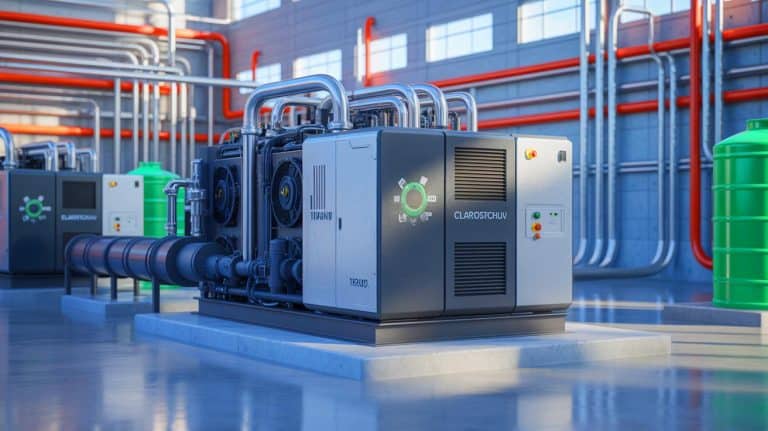
One of the standout features of the JUPITER supercomputer is its focus on sustainability. Unlike traditional high-performance computing systems, JUPITER operates entirely on renewable energy. This commitment to environmental responsibility is further enhanced by its advanced cooling and energy reuse technologies. As a result, JUPITER has earned the distinction of being the world’s most energy-efficient supercomputer module, leading the Green500 list.
Such innovations not only set a new benchmark for energy efficiency in computing but also align with global efforts to reduce carbon footprints. By prioritizing sustainability, JUPITER serves as a model for future high-performance computing systems worldwide, demonstrating that cutting-edge technology can be both powerful and environmentally conscious.
Achilles Shocks Tech World: “This Is a Game-Changer” in Simplifying US Compliance for Trustworthy AI
Revolutionizing Science and Policy
The exascale capabilities of JUPITER are poised to transform European science and policymaking. Researchers now have the tools to conduct climate and weather simulations with unprecedented precision. This allows for more accurate predictions of extreme events such as floods, storms, and heatwaves, enhancing preparedness and response strategies.
Beyond climate research, JUPITER’s immense processing power extends to breakthroughs in physics, medicine, and materials science. These capabilities open doors to discoveries and innovations that were previously unimaginable, positioning Europe at the forefront of scientific advancement. The supercomputer’s influence on policy and research underscores its vital role in shaping the future of European science and technology.
NASA’s AI Revolution: ‘Paving the Way for a New Space Age’ Sparks Heated Debate on Earth’s Future
Empowering Europe’s AI Ambitions
JUPITER’s impact extends beyond traditional research, playing a critical role in the development of artificial intelligence. The supercomputer is central to the AI Factory initiative, announced in March 2025, which focuses on training advanced large language models for generative AI. This initiative aligns with the EU’s broader strategy to establish AI gigafactories, which are large-scale, energy-efficient hubs dedicated to advancing AI technologies.
With a €500 million investment from the European Union and Germany, the AI Factory initiative aims to integrate computing power, data, and talent. This strategic move positions Europe as a leader in AI innovation and deployment, ensuring that the continent remains competitive in the global AI landscape.
Setting Global Standards in Supercomputing
JUPITER is not merely a technological achievement; it is a symbol of Europe’s ambition to lead in supercomputing and artificial intelligence. By combining raw performance with sustainability and strategic integration, JUPITER sets new standards for future computing systems. Its contributions to science, AI, and innovation strengthen Europe’s digital sovereignty and accelerate discovery across multiple fields.
As Europe embraces this new chapter, JUPITER’s capabilities are expected to inspire further advancements in supercomputing and AI. The question remains: how will Europe leverage this newfound power to address the complex challenges of the 21st century and beyond?