



| IN A NUTSHELL |
|
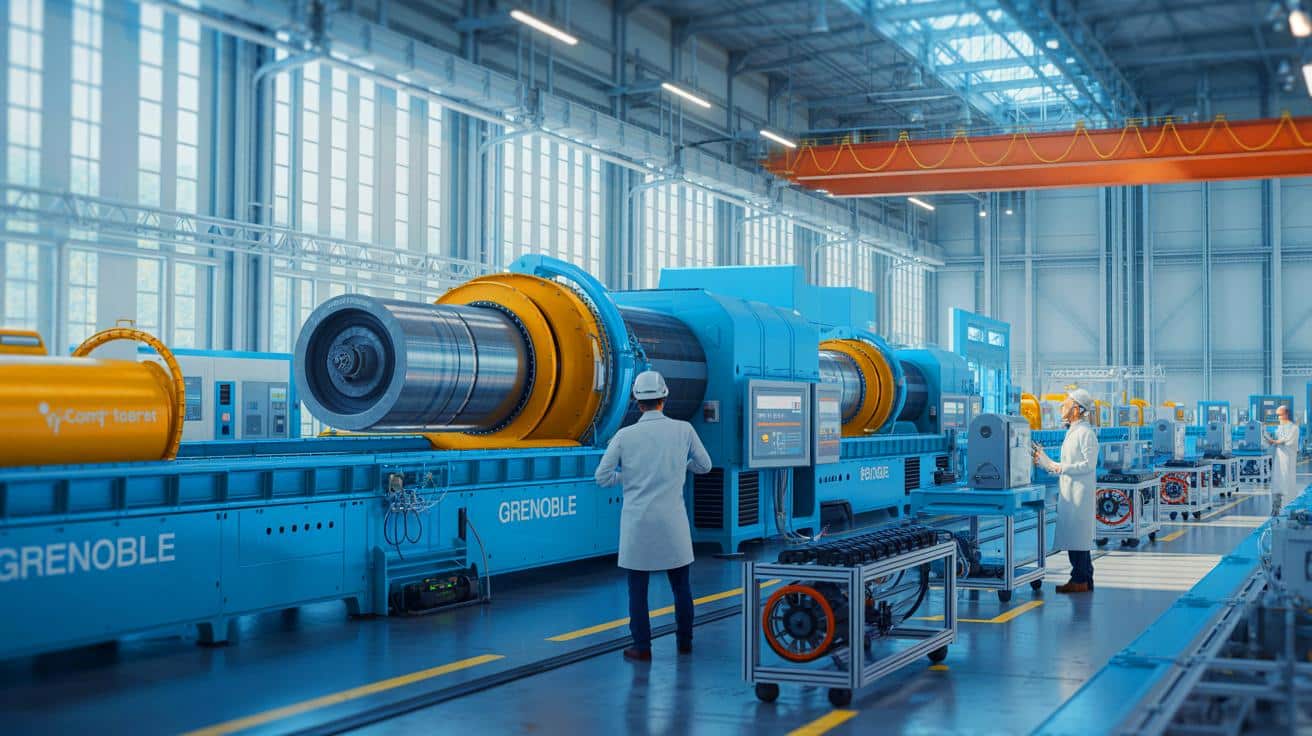
In a significant step toward enhancing sustainability and supply security, France has launched Europe’s first pilot line for recycling rare earth magnets. Located in Grenoble, this initiative marks a collaborative effort between the Orano Group and the French Alternative Energies and Atomic Energy Commission (CEA). The project aims to revolutionize the production and recycling of high-performance permanent magnets, which are essential components in various clean energy technologies. The inauguration was attended by important figures such as Benjamin Gallezot, France’s Interministerial Delegate for Strategic Minerals and Metals, highlighting the project’s importance to both France and Europe. As global demand for clean energy solutions grows, this pilot line represents a critical development in reducing reliance on non-European sources and promoting a more sustainable approach to resource management.
Importance of Rare Earth Magnets
Rare earth magnets are crucial components in the global shift toward clean energy. These magnets are used in electric vehicle motors, wind turbine generators, and numerous other technologies that support a sustainable future. However, the production of these magnets has historically been concentrated outside Europe, leading to supply chain vulnerabilities that could hinder the region’s energy transition goals.
By establishing a recycling initiative in France, the project seeks to mitigate these risks and establish greater European autonomy over strategic materials. This initiative not only supports environmental protection by reducing waste and resource extraction but also strengthens Europe’s position in the rapidly evolving clean energy sector. The development of a reliable, domestic source of rare earth magnets is a strategic move to ensure the continuous growth and sustainability of clean energy technologies across the continent.
Innovations in Short-Loop Recycling
Since 2022, research teams from Orano and CEA Liten have been working on designing a cutting-edge pilot line that adheres to stringent performance standards. The focus has been on developing a ‘short-loop’ recycling process that extracts rare earth elements in metallic form from end-of-life magnets, reintegrating them into new, high-performance magnets. This approach not only reduces dependency on natural resources but also ensures that the recycled magnets maintain the quality and performance of newly mined materials.
The innovation represents a significant advancement in recycling technology, offering a sustainable alternative to traditional production methods. The ability to recycle rare earth elements efficiently and effectively could have far-reaching implications for industries reliant on these critical materials. By implementing this short-loop process, France positions itself as a leader in sustainable technology development, setting a precedent for similar initiatives worldwide.
UK’s $300 Million Investment in Satellite Tech Shatters Net Zero Goals: “Unprecedented Leap Forward”
Industrial and Environmental Impacts
The pilot line in Grenoble serves as a testbed for innovative recycling processes, offering manufacturers validated methods for scaling production across Europe. With the full results expected by the end of 2026, the project paves the way for large-scale deployment of recycled magnets. Supported by France’s France Relance recovery plan and the EU’s Horizon Europe program, this initiative is part of two major consortia, Magellan and Magnolia, which focus on producing magnets from recycled critical metals.
Dureau, a key figure in the project, emphasized Orano’s strategy to diversify its activities by leveraging existing expertise in the nuclear fuel cycle to manage the supply chain of critical metals effectively. This strategic alignment not only supports Europe’s strategic autonomy but also contributes to preserving natural resources through recycling. The commitment of the teams involved in overcoming technical challenges underscores the project’s potential to transform the landscape of magnet production.
Building a Sustainable Future
The establishment of the pilot line represents more than just a technological milestone; it is a strategic move towards securing Europe’s supply of rare earth magnets. By integrating cutting-edge science with circular economy principles, the project aims to protect the environment, reduce reliance on imports, and accelerate the continent’s clean energy transition. This initiative reflects a broader commitment to sustainability, showcasing how innovative approaches can contribute to a more resilient and autonomous Europe.
The potential impact of successfully implementing this recycling process extends beyond environmental benefits. It could also enhance Europe’s competitiveness in the global market for rare earth magnets, positioning the continent as a leader in sustainable technology. As the world continues to seek solutions to climate change and resource scarcity, the question remains: How will other regions respond to this pioneering approach, and what further innovations might we expect in the realm of sustainable resource management?