

| IN A NUTSHELL |
|
In a world increasingly defined by its reliance on renewable energy, the demand for efficient and reliable storage solutions has never been more pressing. As we transition from fossil fuels to cleaner energy sources, the necessity of long-duration electricity storage becomes apparent. The company Elestor, a pioneer in this field, highlights the critical role that abundant materials play in achieving energy security. Their focus on scalable, affordable flow batteries underscores the importance of finding solutions that are not only economically viable but also geopolitically essential. This shift is more than a technological evolution; it is a step towards ensuring that energy can never be weaponized in an unstable global landscape.
The Importance of Long-Duration Electricity Storage
The transition to renewable energy brings with it a myriad of challenges, not least of which is the need for large-scale, long-duration electricity storage. Solar and wind energy, while abundant, are inherently intermittent. The sun doesn’t always shine, and the wind doesn’t always blow. Therefore, it is crucial to store the energy generated during peak production times for use when conditions are less favorable. This is where flow batteries come into play. They offer a scalable and sustainable solution to the problem of energy storage, allowing for a consistent and reliable power supply.
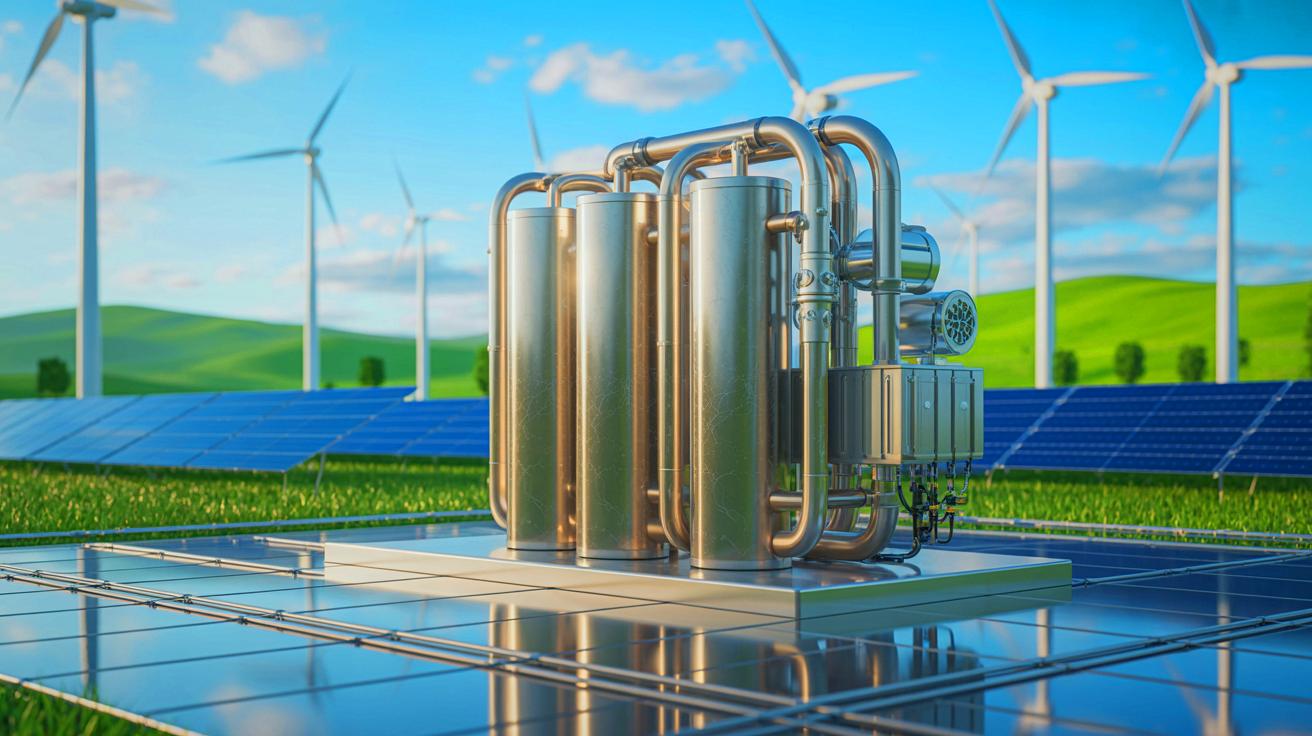
Flow batteries, such as those developed by Elestor, use abundant materials like iron sulfate. This choice of materials ensures that the technology remains affordable and widely accessible. With a cost of approximately $55 per megawatt-hour, these batteries are set to revolutionize the energy storage sector. Unlike other storage systems, the chemicals used in these batteries are neither scarce nor expensive. This makes them an ideal choice for a world that is increasingly looking to renewables as a primary energy source.
Geopolitical Implications of Energy Storage
The geopolitical landscape has a significant impact on energy policies worldwide. The invasion of Ukraine by Russia in 2022 served as a stark reminder of how energy can be weaponized. In response, countries are now more focused on achieving energy independence. This has led to a surge in demand for clean, robust, and self-reliant energy systems. The urgency to construct these systems swiftly and affordably has never been greater. Elestor’s hydrogen-iron flow battery is one such solution that addresses these geopolitical challenges.
By focusing on abundant and locally available materials, Elestor’s technology not only provides a reliable energy storage solution but also reduces dependency on fossil fuel imports. This shift is critical for nations looking to secure their energy futures and reduce the geopolitical leverage of resource-rich countries. The ability to produce energy storage systems locally means that countries can insulate themselves from global market fluctuations and political instability, thereby enhancing their energy security.
Real-World Advantages of Hydrogen-Iron Flow Batteries
Hydrogen-iron flow batteries offer several advantages over traditional energy storage systems. One of the most significant benefits is their cost-effectiveness. By using iron sulfate, a material that is both abundant and affordable, these batteries can store electricity at a fraction of the cost of other technologies. This makes them highly competitive in the market and accessible to a wider range of consumers.
Moreover, iron is a safe material to store, transport, and handle. Unlike other flow battery solutions that require expensive containment measures, hydrogen-iron batteries can be stored in simpler tanks. These tanks can even be buried underground, saving space and reducing the environmental impact. The combination of lower costs and increased safety makes hydrogen-iron flow batteries an attractive option for both local and national energy projects.
The Democratizing Effect of Clean Energy Systems
Access to clean energy is a cornerstone of economic growth and poverty reduction. As countries strive to decarbonize their economies, the need for reliable and affordable energy storage systems becomes more apparent. Hydrogen-iron flow batteries offer a pathway to democratizing energy access, ensuring that even landlocked and resource-poor nations can harness the power of renewables.
By reducing reliance on fossil fuel imports, these batteries contribute to energy security and environmental sustainability. They empower countries to take control of their energy futures, fostering peace and stability. The widespread adoption of such technologies could have profound implications for global energy markets, shifting the balance of power away from fossil fuel-rich nations and toward those investing in renewable energy infrastructure.
As we continue to grapple with the dual challenges of climate change and geopolitical instability, the role of long-duration electricity storage becomes increasingly vital. Elestor’s hydrogen-iron flow batteries represent a promising solution, offering both economic and strategic advantages. The question remains: will the world embrace this technology and pave the way for a more secure and sustainable energy future?