

| IN A NUTSHELL |
|
Europe is currently facing a significant challenge in balancing its rapid expansion of renewable energy with the need for effective energy storage solutions. As a result, the European Union is experiencing energy wastage even as it strives to meet ambitious climate goals. The absence of adequate long-term storage solutions means that energy produced by renewable sources cannot always be utilized efficiently, leading to a loss of resources and higher energy costs for consumers and industries alike.
The Growing Importance of Energy Storage
In recent years, the European Union has made considerable strides in increasing its renewable energy output. In 2023, nearly half of the EU’s electricity came from renewable sources, a testament to the region’s commitment to reducing its carbon footprint. However, this achievement has also exposed a critical weakness in the energy infrastructure: the lack of efficient energy storage systems. Wind and solar power, while abundant, are inherently unpredictable and can result in significant fluctuations in energy availability.
Without effective storage solutions, the EU faces the challenge of managing periods of oversupply, which can drive energy prices down to negative levels. This volatility creates uncertainty for energy buyers and can discourage investment in further renewable projects. The energy storage industry, therefore, becomes a crucial component in stabilizing the market and ensuring that excess energy can be stored and used when needed, rather than wasted.
“It’s a big problem. In 2023 the EU essentially wasted the equivalent of 0.5 percent of its total power consumption, according to Eurelectric.”
https://www.caernarfonherald.co.uk/without-us-theyd-be-lost-these-industry-titans-are-driving-the-revolutionary-future-of-self-driving-vehicles-at-breakneck-speed/230/
Innovative Solutions on the Horizon
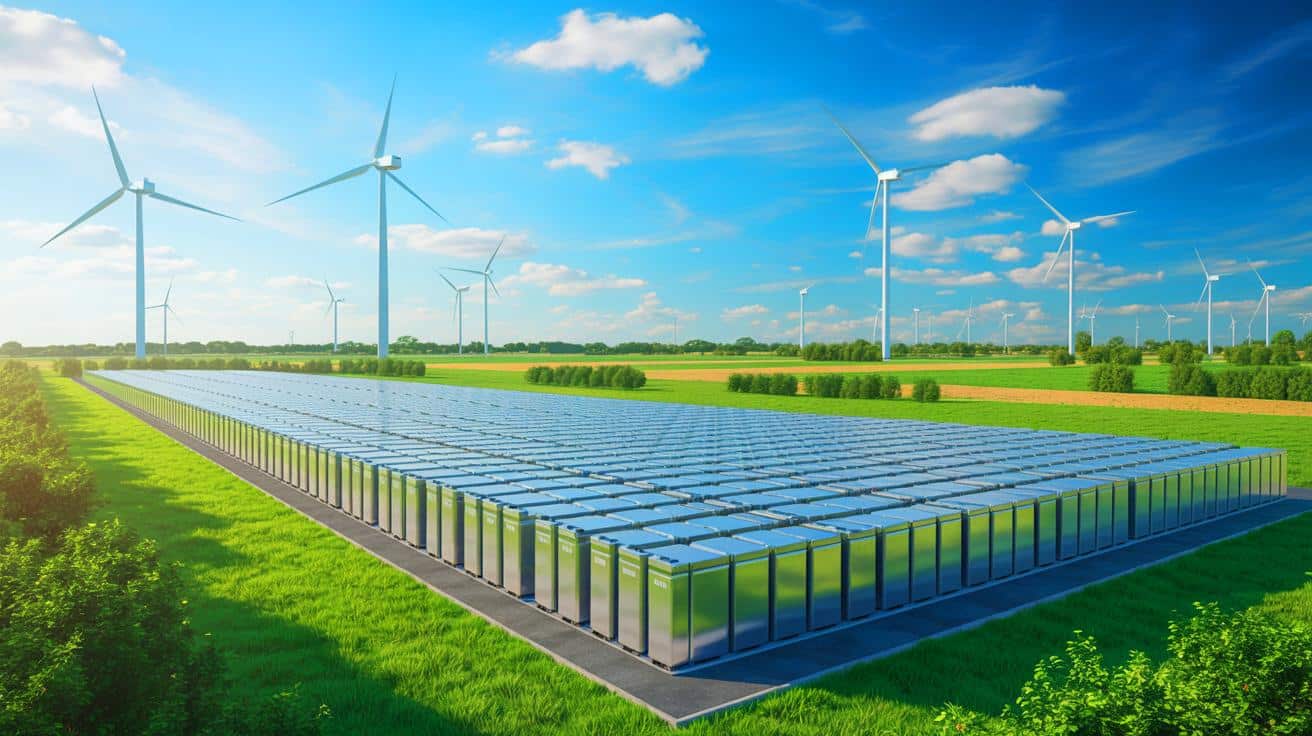
Several companies are pioneering new technologies that promise to enhance energy storage capabilities. The battery storage park in Vilvoorde, Belgium, is set to become the largest of its kind in Europe, utilizing lithium batteries to store energy efficiently. This park represents a key step toward addressing the current energy storage deficit. However, battery technology, while advancing, still faces limitations in terms of the duration and scale of storage it can provide.
Other innovative approaches include the use of compressed air in old salt mines, which is being developed by companies in Denmark and the Netherlands. This method allows for energy to be stored for several days, offering more flexibility than traditional battery storage. As these technologies evolve, they provide hope for a future where energy storage can match the pace of renewable energy production.
Newer technologies may help sequester energy for longer periods, offering a more sustainable solution to Europe’s energy challenges.
The Role of Policy and Investment
The European Union’s policy framework plays a vital role in supporting the growth of the energy storage sector. Currently, the EU has around 85 gigawatts of energy storage systems, but experts argue that this capacity needs to more than double to meet future renewable energy targets. To achieve this, the EU Commission has proposed allowing member states to subsidize storage projects, aiming to enhance the bloc’s economic competitiveness and energy stability.
However, industry leaders stress the need for a clear and cohesive strategy to drive investment in energy storage. This includes revising tax policies and streamlining regulations to facilitate the development of new storage projects. By providing a stable regulatory environment, the EU can encourage private investment and stimulate innovation within the energy sector.
“What the EU needs above all, said Jacopo Tosoni, head of policy at the European Association for Storage of Energy lobby, is ‘a clear strategy.’”
https://www.caernarfonherald.co.uk/revolutionizing-every-chip-wisematics-astonishing-leap-in-chip-and-wafer-tech-shakes-the-industry-to-its-core/223/
Challenges and Opportunities Ahead
The transition to a sustainable energy system presents both challenges and opportunities for the European Union. While the current infrastructure struggles to keep up with the rapid expansion of renewables, there is potential for significant growth and innovation in the energy storage sector. As the EU works to harmonize regulations across member states and support emerging technologies, the path to a more resilient energy system becomes clearer.
Engie’s project in Vilvoorde and similar initiatives across Europe exemplify the collaborative effort needed to address these challenges. By investing in energy storage, the EU not only aims to reduce wastage but also seeks to lower energy costs for consumers and industries. These efforts are crucial in maintaining the region’s competitive edge and ensuring a sustainable future.
Back in Vilvoorde, Engie’s Alen agrees more needs to be done – fast.
As Europe continues to navigate its energy transition, the question remains: how can policymakers and industry leaders work together to ensure that the necessary infrastructure keeps pace with renewable energy advancements? The future of Europe’s energy landscape depends on finding effective solutions to this pressing challenge.