

| IN A NUTSHELL |
|
In a groundbreaking move, Hyundai Motor Group is embracing the future of automation by integrating Atlas humanoid robots into its manufacturing processes at Metaplant America in Georgia. This step is part of a larger strategy to revolutionize car assembly operations, aiming to produce an impressive 300,000 electric and hybrid vehicles annually at the new facility. With the introduction of advanced robotics, Hyundai is setting a new standard in the automotive industry. This initiative underscores Hyundai’s commitment to innovation and its vision for the future of manufacturing.
Humanoid Robots Boost Automation
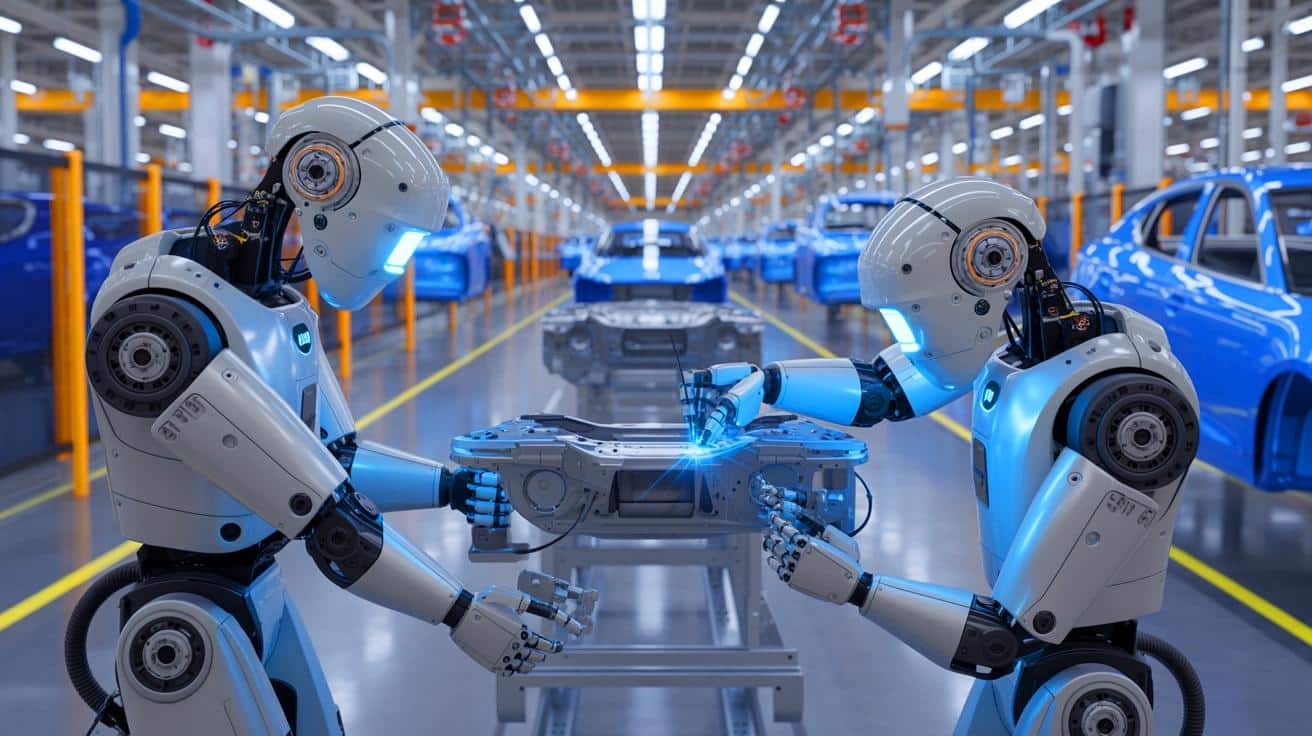
At Hyundai’s Metaplant America, the integration of Atlas humanoid robots signifies a bold leap towards enhanced automation. These robots, developed by Boston Dynamics, are designed to take over tasks traditionally performed by human workers, thereby increasing efficiency and productivity. Currently, the plant employs Spot robots for industrial inspections, and uses specialized robots to handle vehicle doors during the assembly process, a unique feature of this facility.
The exact number of Atlas robots to be deployed and their specific roles remain undisclosed. However, Hyundai plans to expand their use across global facilities, streamlining operations and reducing human error. This strategic move not only boosts productivity but also positions Hyundai at the forefront of technological innovation in the automotive sector. As automation becomes increasingly integral, Hyundai’s proactive approach in adopting robotic solutions sets a precedent for the industry.
Automation Push to Cut Costs
Hyundai’s automation efforts are part of a broader $21 billion investment plan in the U.S., with $6 billion dedicated to innovation and strategic partnerships. This aggressive push is partly in response to tariffs on imported automobiles, compelling Hyundai to enhance its domestic production capabilities. Despite a global sales decline, Hyundai’s U.S. market performance remains robust, with a 4 percent increase in sales last year, totaling 1.9 million units.
The new facility aims for an annual production of 300,000 electric and hybrid vehicles, with plans to eventually increase output to 500,000 units. Overall, Hyundai projects a 70 percent rise in U.S. production, targeting 1.2 million vehicles annually. This expansion underscores Hyundai’s strategic focus on the North American market, where its vehicles are particularly valued for their cost-effectiveness in the midrange segment. However, the company remains cautious of the potential impact of tariffs on its Korean imports.
Partnership with Boston Dynamics
The collaboration between Hyundai and Boston Dynamics is a cornerstone of this automation strategy. Hyundai acquired Boston Dynamics from SoftBank in 2021, marking a significant step toward solidifying its leadership in robotics. The partnership aims to scale up robotic manufacturing, leveraging Boston Dynamics’ expertise in developing advanced, versatile robots.
Atlas robots, known for their agility and bipedal capabilities, are engineered to perform complex tasks, enhancing operational efficiency within Hyundai’s facilities. This alliance not only strengthens Hyundai’s production capabilities but also enhances its competitive edge in the rapidly evolving automotive industry. The integration of Boston Dynamics’ cutting-edge technology reflects Hyundai’s commitment to innovation and its vision for a more automated, efficient future.
Future Prospects and Challenges
As Hyundai continues to integrate advanced robotics into its operations, it faces both opportunities and challenges. The deployment of Atlas robots promises significant efficiency gains and cost savings, but also requires careful management to ensure seamless integration with existing processes. Additionally, the company must navigate potential disruptions from tariffs and other geopolitical factors affecting its supply chain.
Despite these challenges, Hyundai’s commitment to innovation positions it well for future growth. The company’s strategic investments in automation and robotics not only enhance its manufacturing capabilities but also pave the way for further advancements in vehicle technology. As Hyundai pushes the boundaries of what’s possible in automotive manufacturing, it raises the question: How will other automakers respond to this shift towards a more automated future?