


| IN A NUTSHELL |
|
In the dynamic realm of technology, companies like Wisematic are leading the charge in pushing the boundaries of what’s possible. Founded at Tampere University, Wisematic has honed its expertise over two decades to become a pivotal player in the world of automation, particularly in chip and wafer technologies. The company’s unwavering commitment to innovation and quality enables it to meet the growing demands of industries that rely heavily on these technologies. As Wisematic continues to evolve, it stands as a testament to the power of adaptability and forward-thinking in the ever-changing technological landscape.
Wisematic’s Core Objectives and Key Technologies
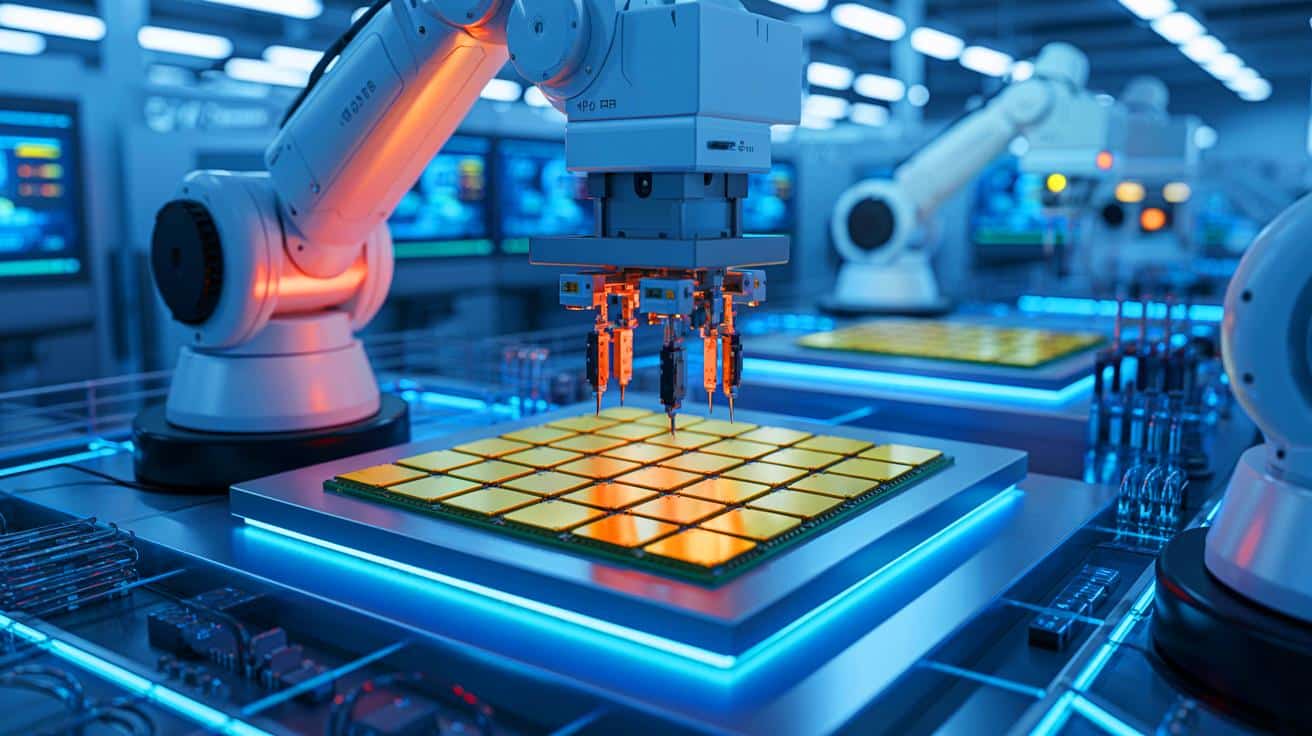
Established in 2005, Wisematic has developed a strong reputation in the automation industry, primarily through its work with robotics and machine vision sensors. The company ardently focuses on creating solutions tailored to the specific needs of its clients, which often involve handling small-sized components, a challenge many competitors shy away from. What sets Wisematic apart is its focus on flexibility and future-proofing its technological solutions. This adaptability ensures that its robotic cells not only meet current demands but are also prepared for future technological shifts.
Quality is another pillar of Wisematic’s approach. The company takes pride in achieving over 99% availability in its complex automation systems, which include robotics, conveyors, and high-speed operations. Machine vision technology is a key component of Wisematic’s quality control measures. This technology extends beyond visible light, utilizing shortwave infrared light to see through silicone layers, making it easier to position chips accurately and conduct thorough quality checks. Such meticulous attention to detail underscores Wisematic’s dedication to excellence and customer satisfaction.
The Growing Importance of Chip and Wafer Technologies
The significance of chips and wafers in modern technology cannot be overstated. These components are integral to a wide array of devices, from everyday household gadgets to sophisticated automotive systems. As technology progresses, particularly in fields like artificial intelligence (AI) and quantum computing, the demand for efficient and powerful chips continues to rise. Innovations such as photonic integrated circuits, which use light for data transmission, are paving the way for new possibilities in chip technology.
Lasers are increasingly being used across various sectors, including the automotive industry, where they play a crucial role in the sensors of autonomous vehicles. This adoption of laser technology is also evident in space technology applications, emphasizing the versatility and potential of chip and wafer technologies. However, with the growing number of devices, energy consumption is a burgeoning concern. Developing chips that offer superior performance while reducing energy usage is a critical challenge that the industry must address. As such, the integration of light-based technologies is more important than ever, promising future innovations that could transform various industries.
Recent Innovations and Competitive Edge
Wisematic has made significant strides in recent years, particularly through its collaboration with Tampere University to develop systems for assembling and performing quality control on photonic integrated circuits (PICs). This partnership has allowed Wisematic to delve into an emerging field with few competitors, enhancing its standing in the industry. Another notable innovation is the development of chip-flipping machines, designed for assembling two-layer laser chips. These machines are customizable, offering unique solutions that are not readily available in the market.
In the realm of wafers, Wisematic has introduced vertical storage solutions for wafers awaiting the next phase of production or shipment. This automated storage system is particularly beneficial for wafer carriers, ensuring efficient handling and processing. Additionally, the company has developed equipment front-end modules with wafer alignment and positioning capabilities, which can be integrated into any process machine as feeders. These innovations highlight Wisematic’s commitment to staying ahead of the curve and providing cutting-edge solutions that meet the evolving needs of its clients.
Challenges and the Future of Chip and Wafer Technologies
One of the most pressing challenges facing the chip and wafer industry is the integration of PICs with traditional silicon and other semiconductor technologies. Once suitable applications are identified, manufacturing becomes the next hurdle, and this is where Wisematic excels. The company focuses on developing devices that incorporate these advanced chips, particularly those that integrate light components.
Energy efficiency is another critical challenge. As the demand for chips grows, so does the need for energy-efficient solutions in both manufacturing and usage. Wisematic is actively exploring ways to design and produce chips that meet these energy efficiency demands. Meanwhile, geopolitical shifts are influencing the chip manufacturing landscape, with the US and Europe striving to establish competitive manufacturing capacities. Wisematic is poised to adapt to these changes, focusing on specialized chips that align with market needs and technological advances.
As Wisematic continues to innovate and adapt to the evolving technology landscape, it stands at the forefront of an industry that holds immense potential for future developments. How will the company navigate the complexities of a rapidly changing world, and what groundbreaking innovations will emerge from its relentless pursuit of excellence?