


| IN A NUTSHELL |
|
As the world strives to curb carbon emissions, nuclear energy emerges as a cornerstone of sustainable power generation. With its ability to deliver consistent electricity with minimal carbon footprint, nuclear power remains crucial. However, the sector faces challenges including aging infrastructure and high costs of new construction. Enter additive manufacturing, commonly known as 3D printing, which promises to revolutionize the nuclear industry. By enabling faster innovation, reduced costs, and improved safety, this technology could be transformative. Let’s delve into how additive manufacturing is reshaping the future of nuclear energy, offering solutions to some of its most pressing issues.
Transformative Power of Additive Manufacturing
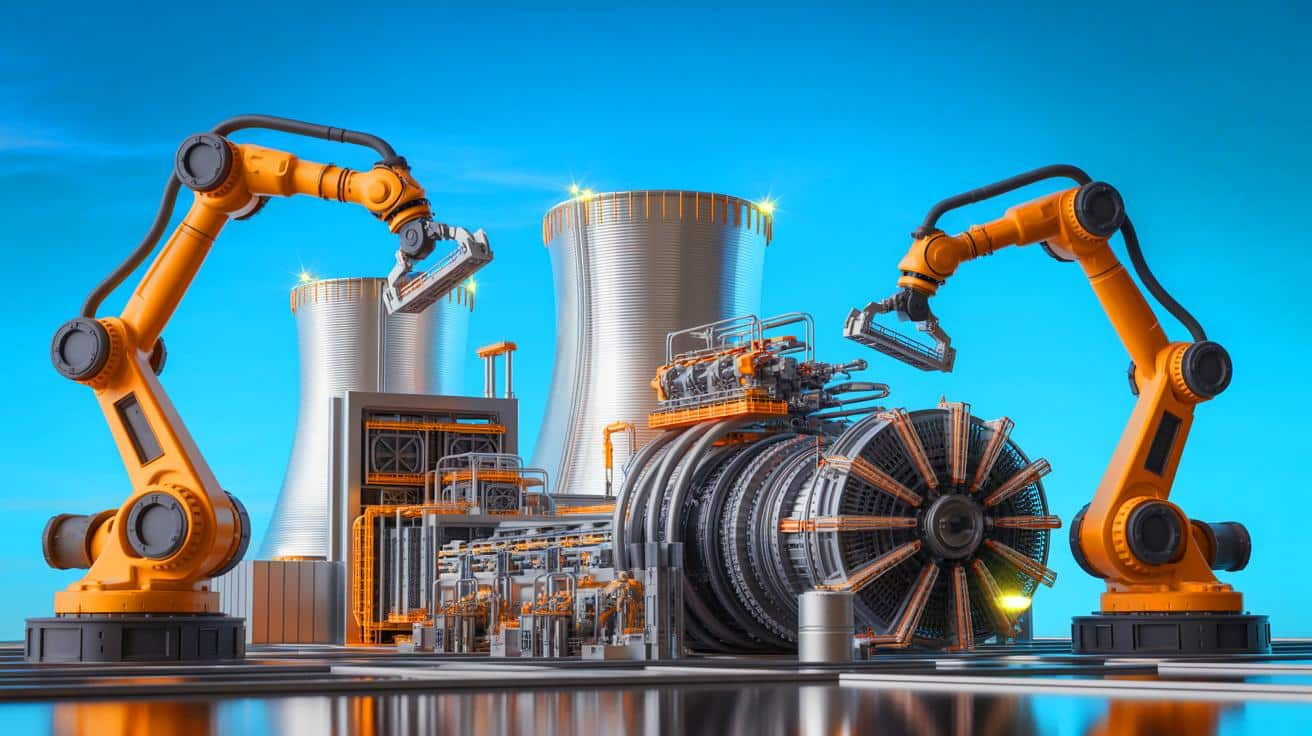
Additive manufacturing, or 3D printing, is rapidly gaining traction across various industries, and the nuclear sector is no exception. This technology enables the creation of complex geometries layer by layer, providing unparalleled design freedom and manufacturing flexibility. For nuclear applications, this translates to accelerated innovation, cost reductions, and enhanced safety features. Unlike traditional manufacturing, which often involves cutting away material, additive manufacturing builds parts from the ground up using fine metal powders and powerful lasers or electron beams.
The implications for nuclear energy are profound. By leveraging additive manufacturing, the industry can produce components with intricate designs that were previously impossible or prohibitively expensive to manufacture. This not only reduces production costs but also opens the door to novel reactor designs with improved efficiency and safety. Moreover, the ability to produce parts on-demand can significantly cut down on inventory costs and lead times, making nuclear projects more economically viable.
Revitalizing Aging Infrastructure
Many nuclear reactors, particularly in regions like Sweden, were commissioned decades ago. As these facilities age, finding replacement parts for outdated systems becomes increasingly challenging due to discontinued manufacturing lines and obsolete designs. Additive manufacturing offers a lifeline by enabling the reproduction of legacy components that are no longer commercially available. Through reverse engineering and digital modeling, it becomes possible to recreate complex parts with high precision, ensuring the continued operation and safety of aging infrastructure.
While the adoption of additive manufacturing in nuclear applications is still emerging, its potential is undeniable. Components manufactured using this technology are already being deployed in non-safety-critical systems within nuclear power plants. However, broader adoption faces hurdles due to the nuclear industry’s rigorous regulatory framework. Before any new material or component can be used in a reactor, it must undergo extensive testing and approval processes. Nevertheless, the benefits of integrating additive manufacturing into the maintenance and upgrade of existing nuclear facilities are substantial, offering a cost-effective solution to prolong the lifespan of critical infrastructure.
Characterizing Advanced Materials
The characterization of additive manufacturing parts for nuclear reactors is a critical area of research. Unlike conventionally produced materials, which have undergone decades of testing, additive manufacturing materials require thorough evaluation. Ion irradiation serves as a proxy for neutron damage in materials testing, allowing researchers to simulate the harsh conditions within a reactor without the complexities of handling activated components. Advanced microscopy techniques, such as atom probe tomography (APT), provide near-atomic resolution insights into the damage incurred by these materials under irradiation.
The unique microstructure of additive manufacturing materials, characterized by rapid solidification rates and layer-by-layer fabrication, presents both challenges and opportunities. Features such as irregular grain structures, porosity, and unmelted powder particles can significantly influence the material’s behavior under irradiation and its corrosion resistance. As researchers continue to explore these variables, the goal is to develop materials that are not only suitable for nuclear applications but also offer superior performance compared to traditional counterparts.
Enabling Next-Generation Technologies
Additive manufacturing is poised to play a pivotal role in the advancement of next-generation nuclear technologies. By enabling rapid prototyping and flexible design processes, this technology aligns perfectly with the modular and scalable nature of small modular reactors (SMRs). Initiatives like Sweden’s ANItA Competence Center exemplify the collaborative approach needed to realize the full potential of additive manufacturing in nuclear energy. Hosted by Uppsala University, ANItA brings together academia, industry, and regulatory bodies to support the safe and efficient deployment of SMRs.
The center’s research spans various domains, including materials science, licensing, public engagement, and reactor design – all areas where additive manufacturing has a significant impact. By fostering innovation and supporting the development of sustainable energy solutions, ANItA is positioning Sweden at the forefront of a nuclear renaissance. As the world seeks resilient, low-carbon energy solutions, the synergy between additive manufacturing and advanced nuclear technologies presents a compelling path forward.
As we move toward a more sustainable future, the integration of additive manufacturing in nuclear energy offers exciting possibilities. This technology not only addresses current challenges but also paves the way for innovative solutions. With continued investment in research and collaboration, the nuclear industry can harness the full potential of additive manufacturing. As we explore this promising frontier, one question remains: How quickly can we overcome regulatory and technical challenges to fully realize the benefits of 3D printing in nuclear energy?