




| IN A NUTSHELL |
|
Fred Ehrsam, the billionaire co-founder of Coinbase, is now venturing into the realm of neuroscience with his latest startup, Nudge. This company is set to revolutionize the field of brain-computer interfaces (BCIs) by introducing a non-invasive device designed to modulate brain activity using sound waves. As Ehrsam joins other tech leaders in the race to develop accessible BCIs, his approach stands out for its focus on non-invasive technology. The unveiling of Nudge’s first product, the Nudge Zero, marks a significant milestone in the quest to interface with the human brain in a manner that is both safe and effective.
The Emergence of Non-Invasive Brain-Computer Interfaces
Brain-computer interfaces have been a topic of intense research and development, primarily focusing on invasive methods. However, the landscape is changing with the introduction of non-invasive techniques like those employed by Nudge. The Nudge Zero device utilizes ultrasound neuromodulation, a cutting-edge technique that influences brain cell activity through targeted sound waves. This approach aims to avoid the risks associated with invasive procedures, such as tissue damage or structural alteration of the brain.
While other companies like Neuralink and Blackrock Neurotech have focused on invasive neural implants, Nudge’s non-invasive strategy offers a promising alternative. By leveraging ultrasound technology, Nudge Zero aims to provide therapeutic benefits without the need for surgical intervention. This innovation is not only noteworthy for its safety but also for its potential to make BCIs more accessible to a broader audience.
Nudge’s Mission and Vision for the Future
Nudge was founded with the mission to “develop the best technology for interfacing with the brain to improve people’s lives.” This mission reflects a broader vision to enhance human experience through technological advancements. Fred Ehrsam envisions a future where devices like the Nudge Zero are not only used to address acute medical conditions but also to improve mood, cognition, and overall mental well-being in healthy individuals.
The startup’s approach signals a paradigm shift in how we perceive and interact with technology. Nudge aims to create a headphone-like device that seamlessly integrates into daily life, offering users the potential to optimize their mental states. This vision aligns with the growing interest in mental wellness and the desire for tools that can enhance cognitive performance.
Design and Appeal of the Nudge Zero
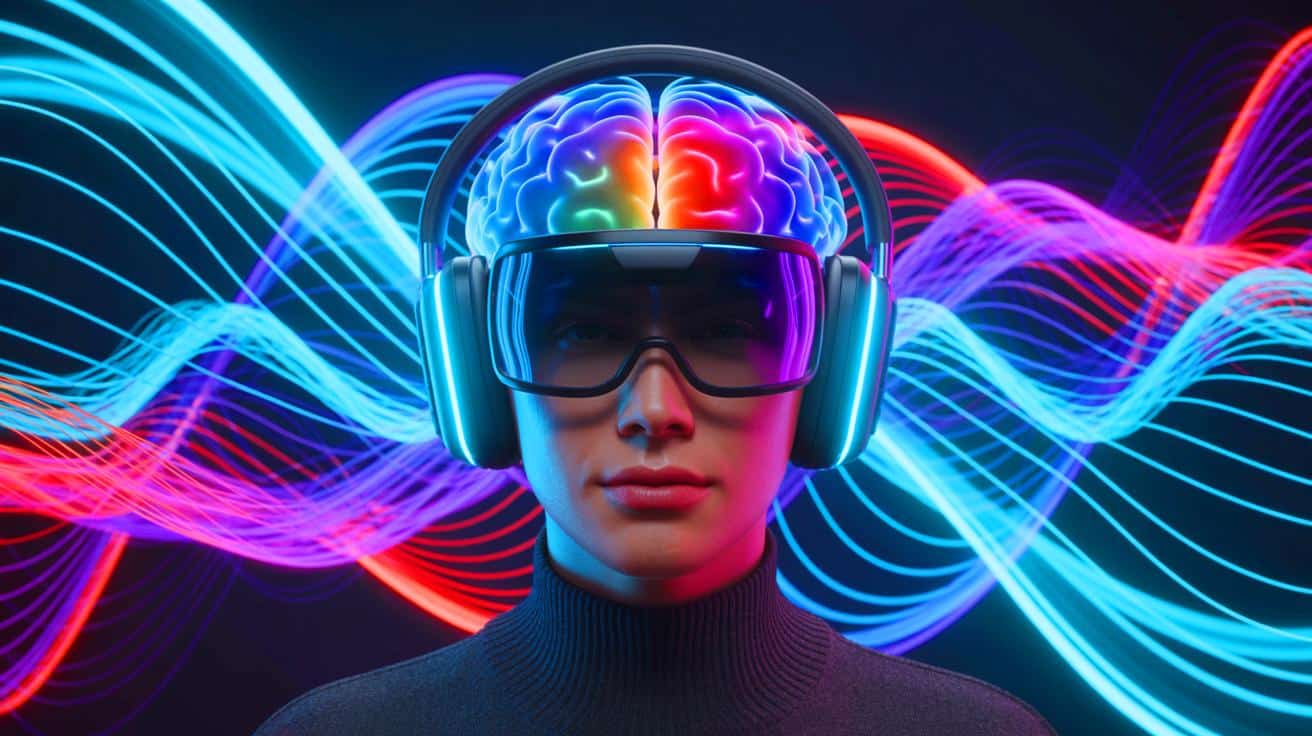
The Nudge Zero’s design is sleek and wearable, resembling modern audio headsets. This aesthetic choice reflects a strategic effort to appeal to a mainstream audience interested in both technology and neuroscience. The device’s emphasis on style and functionality aligns with current trends in consumer electronics, where form is as important as function.
By combining a stylish design with cutting-edge technology, Nudge aims to capture the public’s imagination and encourage widespread adoption. The device’s appeal lies in its ability to offer therapeutic benefits while maintaining a user-friendly design that fits seamlessly into everyday life. As the field of neuroscience continues to expand, Nudge Zero’s design could set a new standard for wearable neurotech devices.
Competition and Future Prospects
Despite being a newcomer, Nudge is entering a competitive landscape with several companies pursuing similar goals. Companies like Cognixion and NextMind are developing non-invasive BCIs to help individuals with motor and speech impairments communicate through brain signals. These innovations highlight the diverse applications of BCI technology and the potential to transform how we interact with the brain.
Fred Ehrsam’s shift from cryptocurrency to neuroscience underscores his belief in the untapped potential of the human brain. With the launch of Nudge Zero, Ehrsam has positioned his company at the forefront of a burgeoning industry. As more companies explore the possibilities of non-invasive BCIs, the future of neuroscience looks promising. Will Nudge lead the way in this new era of brain technology, or will other players emerge as frontrunners in the quest to unlock the brain’s full potential?




This is mind-blowing! From crypto to mind-reading – what’s next? 🚀
How safe is ultrasound neuromodulation? Any long-term studies done?
Can this help with mental health issues like anxiety or depression?
I’m skeptical about mind-reading tech. Reminds me of sci-fi stories gone wrong!
The design sounds cool, but how effective is it really?
Fred Ehrsam is always ahead of the game. Impressive move! 👏
What are the ethical implications of such technology?
Is this similar to Neuralink’s approach, or entirely different?
Sounds like we might all be wearing brain-hats soon. 🤔
Is there a beta program to test Nudge Zero? Sign me up!
How will this tech ensure user privacy and data security?