


| IN A NUTSHELL |
|
In the heart of Saudi Arabia’s desert, a bold vision seeks to redefine urban living through the creation of The Line, a colossal 105-mile-long city. This ambitious project, part of the broader NEOM initiative, aims to blend cutting-edge technology with sustainability, offering a glimpse into a futuristic urban lifestyle. However, as construction progresses, critical concerns arise about the project’s environmental footprint, particularly its impact on migratory birds and local ecosystems. Balancing such grand urban ambitions with ecological preservation poses a formidable challenge, raising questions about the future of sustainable development.
The Scale and Ambition of The Line
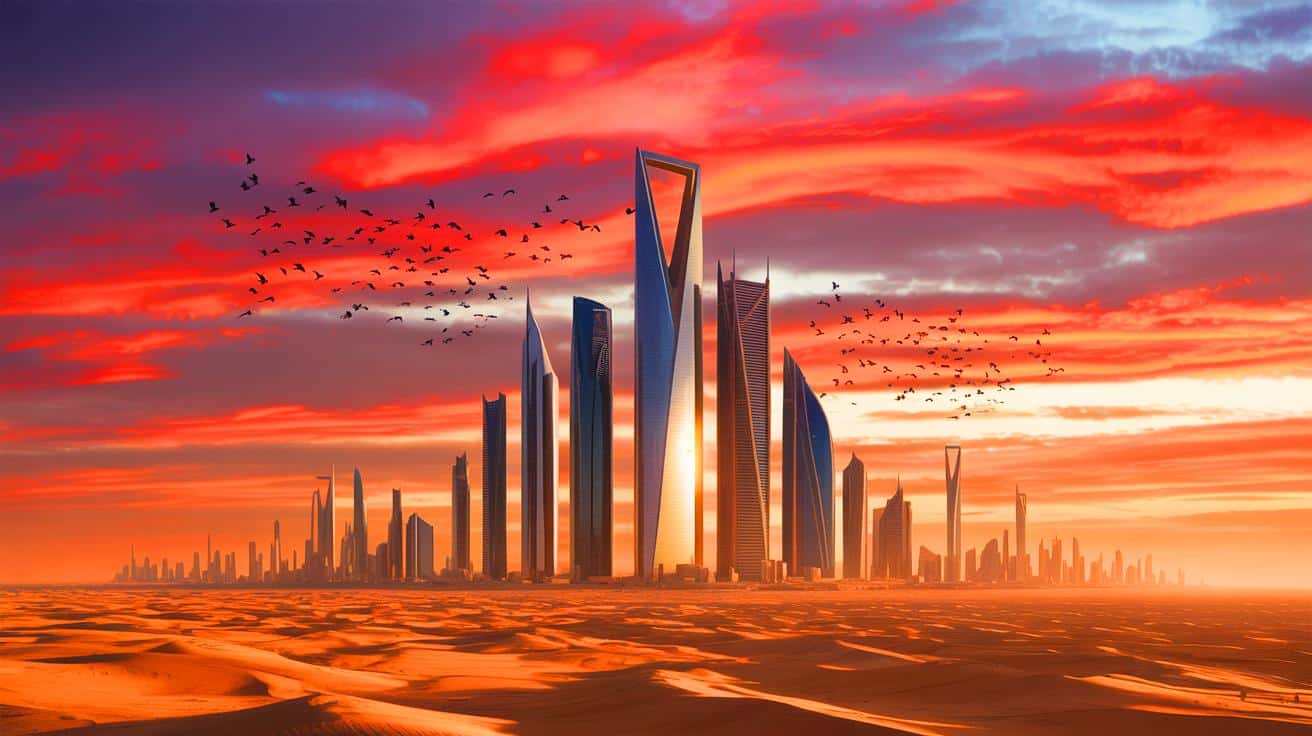
Envisioned as a cornerstone of Saudi Arabia’s Vision 2030, The Line is a transformative urban project designed to stretch across the desert landscape. This linear city is set to rise 1,640 feet, housing up to nine million residents within its mirrored facade. The project aims to integrate state-of-the-art technology with green living, offering an innovative approach to urban design. However, the massive scale of The Line has sparked environmental debates, particularly concerning its potential impact on biodiversity.
Environmentalists express deep concerns about the project’s effects on local wildlife, especially the avian population. The towering structure, with its reflective surfaces, poses a serious threat to migratory birds that travel through this region. Balancing the city’s ambitious urban innovation goals with the environmental concerns it raises is crucial. As the project continues, its ultimate success will depend on addressing these ecological threats while maintaining its visionary urban objectives.
Environmental Implications and Avian Threats
The Line’s location on a vital migratory route raises significant environmental concerns. The mirrored skyscraper presents a hazardous obstacle for billions of birds on their migratory journeys. Despite acknowledgments from developers about the potential loss of avian life, the project has sparked intense debates about the balance between urban expansion and wildlife conservation.
The table below outlines some of the critical challenges faced by The Line project:
| Issue | Impact |
|---|---|
| Avian Impact | A threat to migratory birds |
| NEOM Project | Desert transformation into a futuristic city |
| Sustainability | An ecological ambition under scrutiny |
| Delays | Cumulative construction challenges |
The challenges faced by migratory birds highlight broader questions about development in environmentally sensitive regions. How can we ensure that our pursuit of innovation does not come at the expense of biodiversity and ecological balance? This dilemma underscores the importance of integrating environmental considerations into urban planning to protect the natural world.
Construction Hurdles and Project Delays
In addition to environmental challenges, The Line project encounters significant construction hurdles and delays. While initially projected to house nine million residents, current estimates suggest that only 300,000 inhabitants will be accommodated by 2030, a stark contrast to the original vision. The project remains primarily in its excavation phase, with foundational challenges hindering progress.
Key issues include:
- Construction setbacks
- Balancing nature and urbanization
- Impact on biodiversity
- Project delays
These challenges highlight the complexities of pursuing sustainable construction in fragile environments. The project’s ambitious goals require overcoming these obstacles while ensuring ecological integrity. As The Line advances, it serves as a poignant case study in the ongoing dialogue about sustainable development.
Balancing Innovation and Ecological Preservation
The Line project exemplifies the tension between urban innovation and ecological preservation. Its ambitions are as vast as the desert it seeks to transform, but the environmental cost cannot be overlooked. Balancing technological and architectural progress with nature’s preservation is crucial to ensuring a sustainable future.
As we move forward, we must ask ourselves: How can we strike a balance between creating advanced, innovative urban environments and preserving the natural world for future generations? What sacrifices are we willing to make in the pursuit of progress, and how can we ensure that our actions today do not come at the expense of tomorrow’s ecosystem?