




| IN A NUTSHELL |
|
The United States is on a path toward an electric vehicle (EV) revolution, aiming to significantly reduce carbon emissions and combat climate change. However, a new study by Northwestern University reveals a critical roadblock: the outdated transmission grid. This research suggests that the full potential of EVs to cut emissions is hindered by the country’s current power grid infrastructure. Without strategic upgrades, the clean energy generated by renewable sources like wind and solar cannot reach EV chargers efficiently, forcing reliance on fossil fuels and undermining emission reduction efforts.
The Hidden Barrier of Grid Congestion
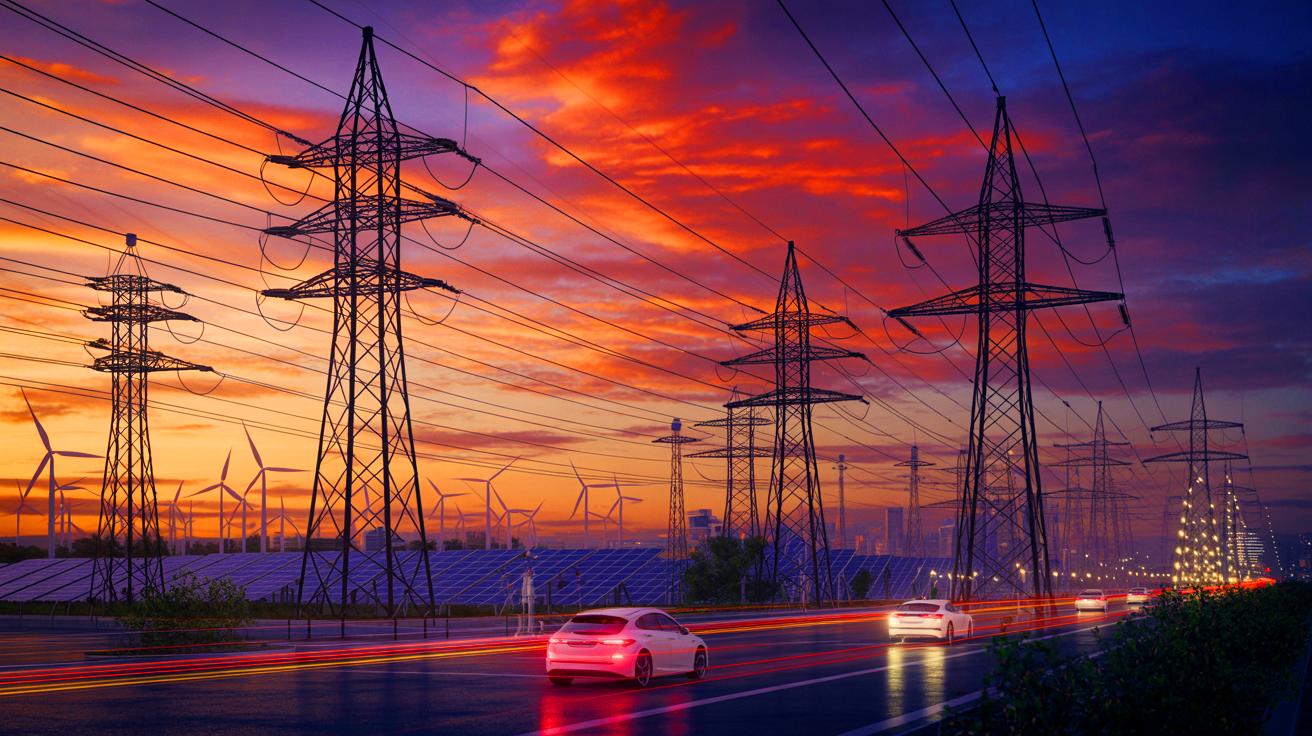
The US transmission grid functions as an electrical highway, transporting power from remote generation sites to urban centers where energy demand peaks. Yet, just like vehicular traffic jams impede road travel, congestion on these electrical highways obstructs the flow of clean energy. Researchers using advanced simulations discovered that in scenarios of high EV adoption, grid congestion emerged as a significant obstacle. This issue is particularly pronounced in urban areas where the demand for EV charging is high, but renewable energy is generated miles away.
Wind farms in the Midwest and solar arrays in the Southwest produce abundant renewable electricity, but limited transmission capacity often prevents this clean energy from reaching cities efficiently. As a result, the grid resorts to nearby fossil-fuel power plants, increasing carbon emissions even as EV numbers grow. This reliance on fossil fuels occurs despite the potential availability of cleaner energy options.
Impact on Emission Savings
The study’s simulations depict a future where all gasoline-powered vehicles in the US are replaced with EVs, and renewable energy generation matches that of fossil fuels. Ideally, this scenario would eliminate nearly all transportation-related carbon emissions. However, with the current grid conditions, approximately one-third of these potential emissions reductions could be lost. Even with smart charging technologies that align EV charging with peak renewable energy periods, the limitations of congested transmission lines remain insurmountable.
This finding highlights the critical need for strategic upgrades to the transmission grid to ensure that the clean energy produced can effectively power the growing number of EVs across the nation. Without these improvements, the environmental benefits of widespread EV adoption may not materialize fully.
The Need for Strategic Grid Upgrades
Rather than a complete overhaul, researchers recommend targeted upgrades to the transmission grid. A modest increase of 3 to 13% in transmission capacity could unlock the full climate benefits of EV adoption. These upgrades might involve constructing new high-voltage lines or reinforcing existing ones, especially in areas prone to congestion. Additionally, the US grid’s division into three largely independent regions, Eastern, Western, and Texas, limits power transfer between areas, creating inefficiencies.
Enhancing interregional connections and improving coordination would allow clean energy to flow more freely, ensuring renewable electricity powers EVs regardless of the generation site. Such strategic upgrades are essential to overcoming current barriers and maximizing the environmental advantages of the EV transition.
The Imperative of Clean Infrastructure
The study underscores an often-overlooked truth: decarbonizing transportation involves more than just replacing gas-powered cars with EVs and increasing renewable energy capacity. Upgrading the transmission grid is imperative to deliver clean energy where it’s needed. As the US accelerates its shift toward electric mobility, investing in the transmission grid becomes critical to maximizing environmental benefits.
Without these infrastructure improvements, the nation risks missing a crucial opportunity to reduce emissions, even in a future brimming with electric cars. Policymakers and industry leaders must recognize the importance of addressing this infrastructure gap to achieve the nation’s climate goals.
As the US moves forward with its EV strategy, the focus must also be on upgrading the transmission grid to support this transition. How can policymakers and industry leaders collaborate to ensure that the necessary infrastructure improvements are made to fully realize the environmental potential of electric vehicles?