




| IN A NUTSHELL |
|
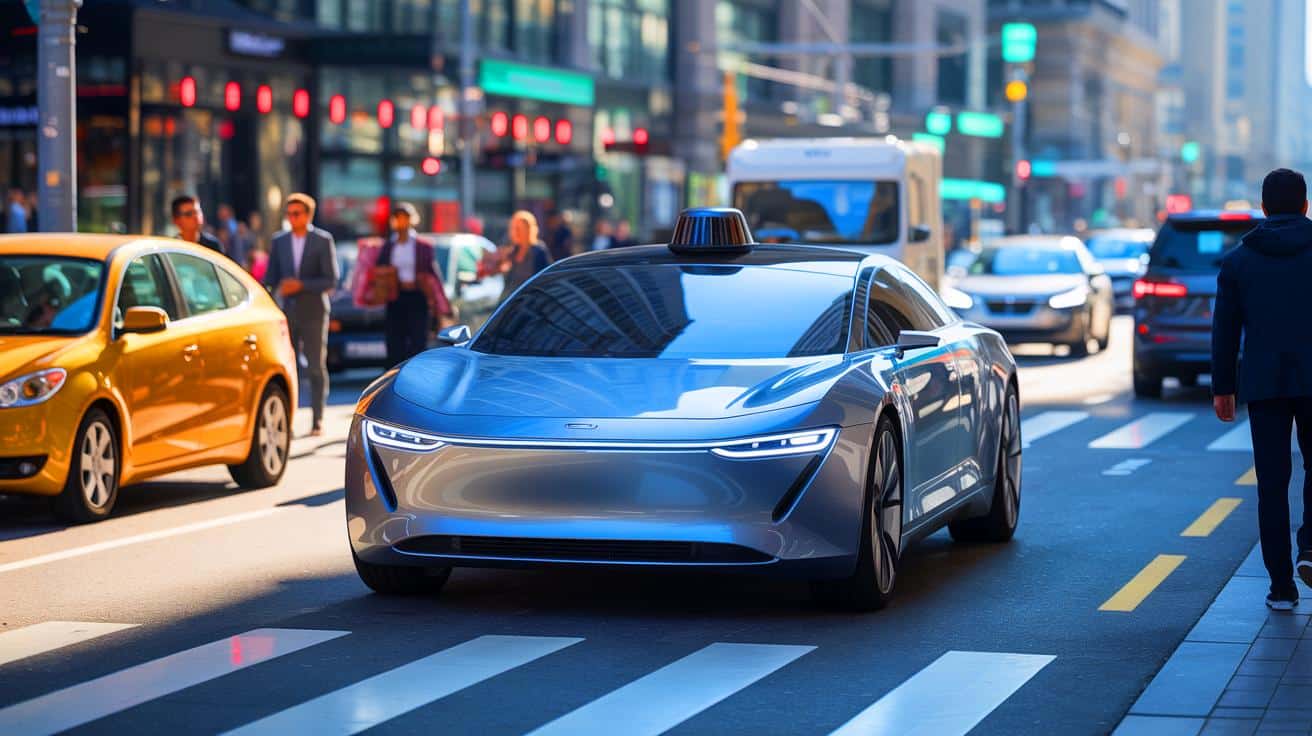
The transport industry is on the brink of a revolution as self-driving vehicles prepare to make their debut on public roads. With the impending arrival of these automated marvels, stakeholders from various sectors are urged to participate in shaping their future. This collaboration aims to ensure safety, accessibility, and innovation are at the forefront of this technological leap. As we delve into this topic, we will explore the potential benefits, economic impacts, and the pivotal role of industry in this transformation.
The Upcoming Benefits of Self-Driving Vehicles
Self-driving vehicles promise to bring a host of benefits to the transport landscape. They offer greater choice and flexibility for passengers, enabling them to travel with ease at any time of the day, including during unsociable hours. This flexibility is particularly advantageous for those living in rural areas, where traditional public transport options are often limited. By introducing new transport solutions, self-driving vehicles could significantly enhance connectivity for local communities, improving mobility and independence for individuals who are unable to drive.
Future of Roads Minister Lilian Greenwood emphasized the transformative potential of these vehicles, stating that they represent one of the most exciting opportunities to improve transport, especially for those in rural areas or those unable to drive. The collaboration between passengers and industry is crucial in ensuring that this new form of transport is both safe and accessible as it becomes an integral part of our daily lives.
Driving Economic Investment and Job Creation
The government’s decision to fast-track pilots of self-driving passenger vehicles to Spring 2026 marks a significant step towards innovation and growth in the industry. This initiative allows firms to pilot small-scale services without the need for a safety driver, with the possibility of booking these services via an app. Such advancements could potentially lead to a wider rollout following the full implementation of the Automated Vehicles Act in the latter half of 2027.
The anticipated growth in the industry is expected to create 38,000 jobs, injecting money into the economy and driving investment in British engineering excellence. By 2035, the self-driving vehicle industry is projected to be worth a staggering $56 billion. This economic impact not only highlights the potential financial benefits but also underscores the importance of maintaining a competitive edge in the global market.
The Role of Industry in Shaping the Future
The ongoing consultation invites public input to influence future government policy on critical areas essential for the safe and efficient operation of self-driving vehicles. Key topics include making these vehicles accessible to disabled and older individuals, the approval process by councils, and the criteria for varying, suspending, or withdrawing operational permits.
Gavin Jackson, CEO of Oxa, expressed enthusiasm about the UK’s progress in making automated vehicle services a commercial reality. The APS scheme is set to facilitate the deployment of innovative public transport services, enhancing the current transport network and making it more accessible than ever.
Ensuring Safety Through Rigorous Standards
The Automated Vehicles Act is a cornerstone of regulatory measures ensuring the safety of self-driving vehicles. It mandates that these vehicles achieve a level of safety comparable to that of competent and careful human drivers. Before being allowed on the roads, automated vehicles must undergo stringent safety tests to meet these standards.
Since January 2015, self-driving trials have been conducted in the UK, with companies like Wayve and Oxa leading the charge in technological advancements. These trials have been instrumental in paving the way for the broader adoption of self-driving vehicles, ensuring that they meet the necessary safety requirements.
As the dawn of self-driving vehicles approaches, we stand on the cusp of a transportation revolution. With the potential to reshape our roads and our economy, the journey toward automation is set to be an exciting one. How will these technological advancements impact your daily life, and what role will you play in shaping the future of transport?


Wow, this could really change my daily commute! 🚗💨 Can’t wait to see self-driving cars in action.
Are self-driving vehicles really gonna be safe enough without a human driver? 🤔
Thank you for this insightful article! It’s amazing to see where technology is heading.
How long do you think it’ll be before these vehicles are common everywhere?
38,000 jobs by 2026 sounds ambitious. Is there a plan for training workers for these new roles?