


| IN A NUTSHELL |
|
The recent collaboration between CERN and Fusion for Energy (F4E) marks a significant milestone in the pursuit of sustainable energy solutions. This partnership is set to accelerate advancements in high-temperature superconducting magnets and fusion energy technologies, areas critical to the future of clean energy. Since 2014, CERN and F4E have been working together, initially focusing on the impact of radiation on materials. Over time, their collaboration expanded, and the new agreement now opens up opportunities for joint projects in engineering and scientific development. As CERN and F4E unite their expertise, the potential for breakthroughs in energy technology becomes increasingly promising.
Understanding Fusion Energy
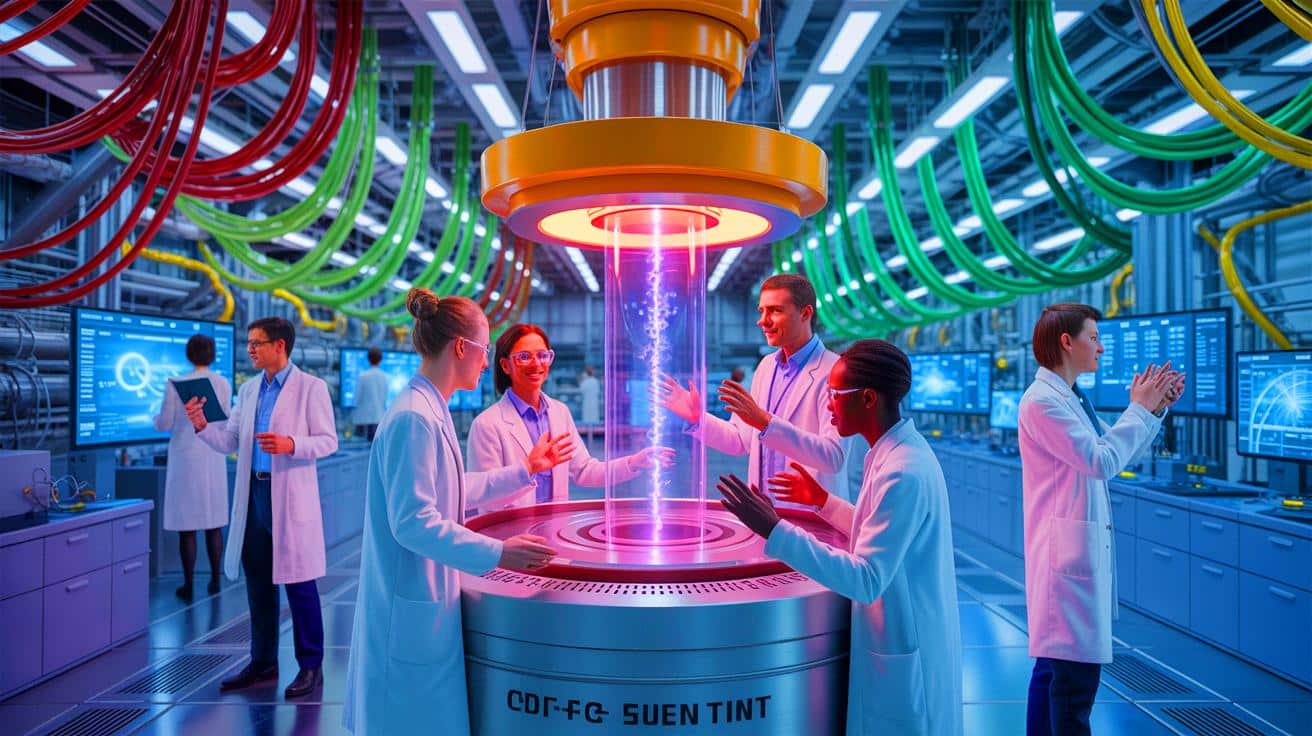
Fusion energy is often heralded as the ‘holy grail’ of clean power, a concept rooted in replicating the nuclear reactions that power the sun. Unlike nuclear fission, which involves splitting atoms, fusion combines light atomic nuclei such as hydrogen isotopes. This process results in the formation of heavier elements and releases massive amounts of energy. The promise of fusion energy lies in its potential to provide abundant, safe, and virtually waste-free power.
The challenge, however, is immense. Achieving fusion on Earth requires conditions that mimic the extreme environment of the sun’s core. This involves temperatures hotter than the sun itself and the creation of powerful magnetic fields to confine the resulting plasma. Projects like ITER in France, which F4E supports, aim to demonstrate that controlled fusion can be a practical and sustainable energy source for the future. If successful, fusion could revolutionize the energy landscape by providing a clean and inexhaustible power supply.
The Partnership’s Role in Technological Advancements
The new framework agreement between CERN and F4E outlines several key areas for collaboration, with the goal of driving technological breakthroughs. These areas include the engineering and construction of large-scale scientific instruments, testing and validation of advanced materials and systems, and project management of complex scientific initiatives. Additionally, the partnership emphasizes knowledge transfer between research institutes and industry.
CERN has established a dedicated fusion technology coordination unit to support these efforts. This unit brings together experts in accelerator physics, magnet design, and technology transfer, ensuring that innovations in particle physics can be applied to broader energy and engineering challenges. As Marc Lachaise, Director of F4E, notes, the collaboration will not only enhance F4E’s capacity to deliver but also address complex questions in fusion energy and particle physics. The joint efforts of CERN and F4E are poised to make significant strides in advancing both scientific knowledge and practical applications.
Strengthening Europe’s Fusion Efforts
The partnership between CERN and F4E is a significant boost to Europe’s position in the global race toward fusion energy. By combining CERN’s expertise in large-scale research infrastructure with F4E’s leadership in fusion technology, the collaboration represents a major step forward in science and engineering. This agreement could potentially be a turning point in humanity’s quest for limitless, carbon-free power.
The significance of this collaboration extends beyond technological advancements. It exemplifies the power of international cooperation in addressing global challenges. As the world grapples with the urgent need for sustainable energy solutions, partnerships like that of CERN and F4E highlight the importance of pooling resources and expertise. By working together, these organizations are paving the way for a future where fusion energy could play a pivotal role in meeting the world’s energy needs.
“Chaos Erupts in Chemical World”: New Proposal Sparks Fierce Debate Over Global Safety Standards
Challenges and Opportunities Ahead
While the collaboration between CERN and F4E offers immense promise, it also presents challenges that must be addressed. Developing fusion energy technologies requires significant investment, both in terms of resources and time. The road to practical fusion power is fraught with technical hurdles, such as achieving the necessary conditions for sustained fusion reactions and ensuring the economic viability of the technology.
However, the partnership also presents opportunities for innovation and progress. By leveraging their combined expertise, CERN and F4E can explore new avenues for scientific discovery and engineering solutions. This collaboration may also inspire further partnerships and investments in fusion energy, accelerating the pace of development and bringing us closer to realizing the dream of clean, limitless power. As the world continues to seek sustainable energy alternatives, the work of organizations like CERN and F4E remains crucial.
The collaboration between CERN and F4E is a testament to the potential of international partnerships in advancing scientific and technological frontiers. As these organizations work together to overcome the challenges of fusion energy, they are also laying the groundwork for a more sustainable future. The advancements achieved through this partnership could shape the future of energy, but questions remain. How will these developments impact global energy policies, and what role will fusion energy play in the coming decades?