




| IN A NUTSHELL |
|
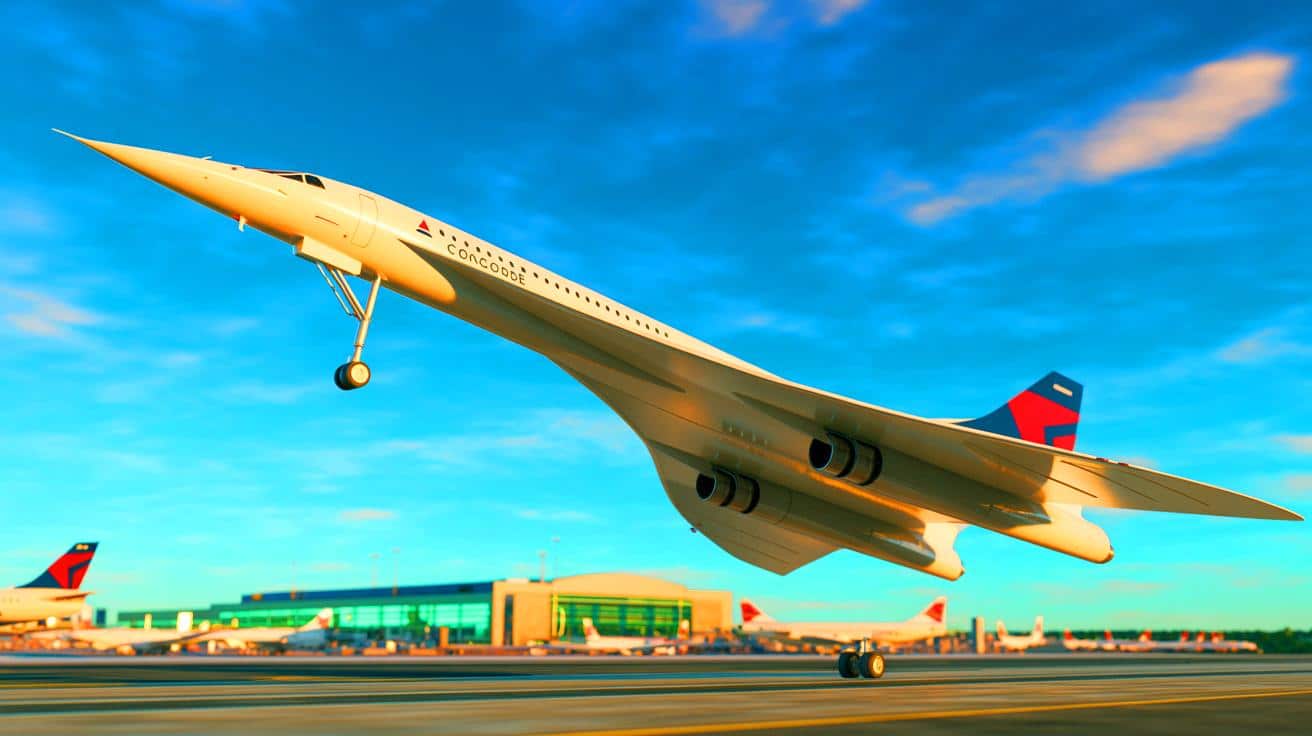
The Concorde, once the pinnacle of supersonic commercial aviation, is poised for a remarkable return, promising to revolutionize air travel once again. Fly-Concorde Ltd, a newly established company with significant backing from international engineers and aviation entrepreneurs, is at the forefront of this ambitious endeavor. With plans to cut transatlantic flight times by five hours, the company is preparing to reintroduce a modernized version of the legendary aircraft by 2026. This potential rebirth of the Concorde is set against the backdrop of recent changes in U.S. legislation that now allow supersonic flight over land, a development that could make supersonic travel both feasible and profitable once more.
Reviving a Supersonic Legend
Fly-Concorde Ltd has set its sights on 2026 for the re-launch of a new Concorde, armed with both ambition and the support of industry experts. The company aims to leverage advances in technology and a shift in regulatory policies to make its vision a reality. Notably, the U.S. has lifted its longstanding ban on supersonic travel over land, a move that removes a significant barrier faced by the original Concorde. During its heyday, the Concorde’s sonic booms were a source of controversy and were ultimately banned over land in the U.S. due to noise complaints. Now, with this obstacle removed, new routes and opportunities are opening up for supersonic flights.
However, Fly-Concorde Ltd’s path is not without challenges. The original Concorde was a technical marvel but also a financial burden, with high operational costs and a limited market. The new company must navigate these hurdles while ensuring that a modernized Concorde can meet today’s stringent environmental and safety standards. The promise of drastically reduced flight times, however, holds immense appeal for travelers and airlines alike, and could redefine the future of air travel if successfully realized.
Technological and Financial Hurdles
The return of the Concorde is not guaranteed, as Fly-Concorde Ltd must overcome significant technological and financial challenges. The original aircraft’s engines are no longer in production, and creating a new or modified version will require substantial investment. The company has yet to decide whether to refurbish existing aircraft or build new ones from scratch, each option presenting its own set of difficulties. The cost of reviving the Concorde is expected to be immense, requiring both visionary leadership and deep pockets.
Moreover, the complexity of maintaining a supersonic airliner cannot be underestimated. The Concorde’s intricate systems demand specialized expertise, which adds another layer of complexity to the project. The company must also prove its credibility to investors and regulatory bodies, ensuring compliance with modern aviation standards. Despite these challenges, the allure of supersonic travel remains strong, and the potential for a successful revival of the Concorde could mark a defining moment in aviation history.
The Legacy and Future of Supersonic Travel
The original Concorde’s retirement in 2003 left a void in commercial aviation, ending an era of supersonic air travel that had captured the world’s imagination. Now, Fly-Concorde Ltd seeks to restore this legacy and bring supersonic travel into the 21st century. The company’s efforts coincide with the 50th anniversary of Concorde’s first transatlantic flight in 1976, a symbolic milestone that adds to the project’s allure.
Will the Concorde’s second act succeed where others have failed? Previous attempts to revive supersonic travel have faltered due to technological and economic barriers. Fly-Concorde Ltd is betting on advancements in aerospace technology and a changing regulatory landscape to tip the scales in their favor. If successful, the Concorde’s return could inspire a new wave of innovation in aviation, potentially paving the way for other supersonic ventures.
Implications for the Aviation Industry
The potential return of the Concorde carries significant implications for the aviation industry. A successful revival could spark renewed interest and investment in supersonic travel, encouraging other companies to explore this frontier. The prospect of faster travel times could transform the way people think about international flights, making global travel more accessible and efficient.
However, the industry must also grapple with environmental concerns associated with supersonic flight. Noise pollution and fuel efficiency are critical issues that Fly-Concorde Ltd will need to address to gain public and governmental support. As the company moves forward, it must balance the excitement of innovation with the responsibility of sustainable development. The path forward is fraught with challenges, but the rewards could be transformative for both the company and the aviation industry as a whole.
The potential revival of the Concorde is a fascinating development in the world of aviation, promising to reshape the landscape of air travel. As Fly-Concorde Ltd works to overcome the significant challenges ahead, the aviation community watches with keen interest. Will this ambitious project succeed in bringing supersonic travel back to the skies, or will it serve as a cautionary tale for future innovators? The answers to these questions will undoubtedly shape the future of air travel.



Wow, a Concorde comeback! 🚀 Can’t wait to experience supersonic travel again!
Isn’t $10,000 a bit steep for a flight ticket? 🤔
Why is there so much criticism? Supersonic travel is the future!
Concorde again? This sounds like a risky business move to me. 💸
How will Fly-Concorde Ltd address environmental concerns with supersonic travel?
So excited for quicker flights! But, will the flights be affordable for everyone?
Supersonic travel was banned for a reason. Has anything changed? 🤨
Can’t believe it’s happening! Hope they improve noise pollution this time.
What about the safety measures? Has Fly-Concorde Ltd addressed those?