



| IN A NUTSHELL |
|
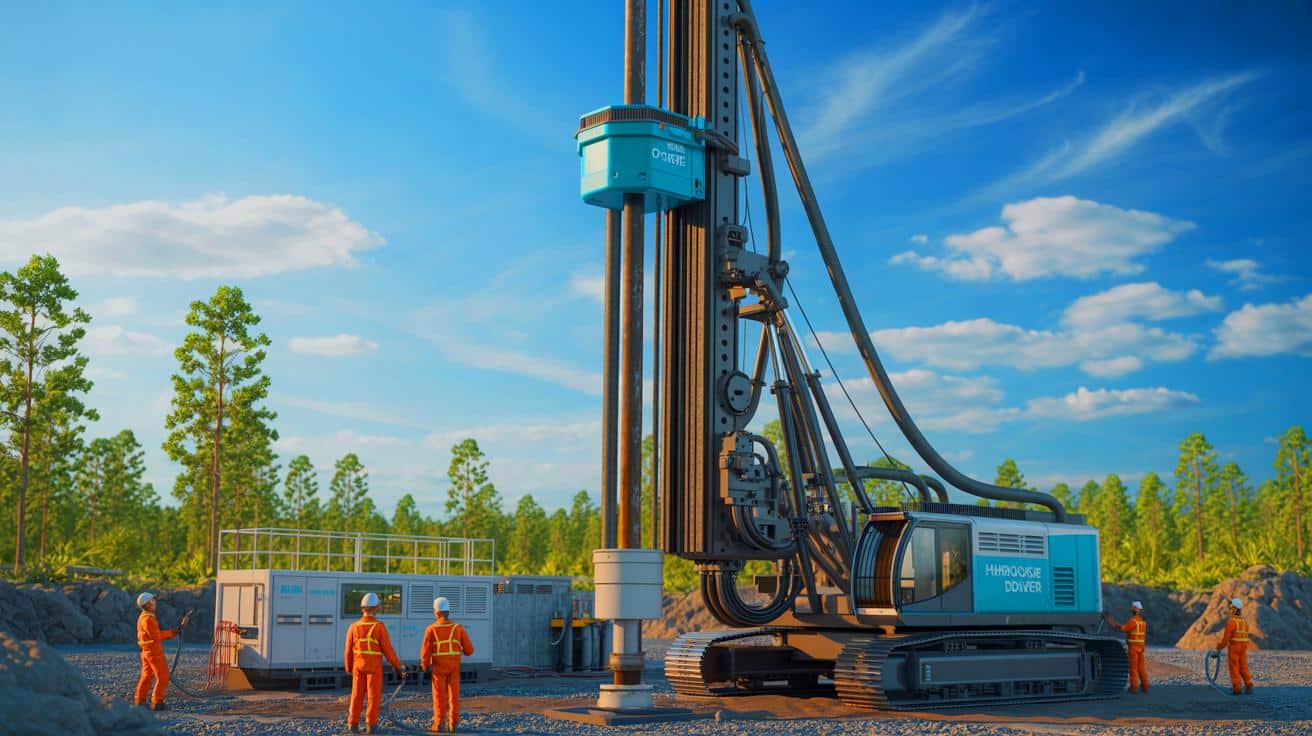
In recent years, the construction industry has been under increasing pressure to reduce its environmental impact. One promising avenue is the adoption of hydrogen-powered drilling, which offers a sustainable alternative to traditional fossil fuel-driven machinery. This innovative technology has the potential to revolutionize geotechnical construction by minimizing emissions, reducing noise pollution, and improving operational efficiency. However, before it can be widely adopted, several challenges must be addressed, including storage, transport, and workforce training. As the industry moves towards cleaner energy solutions, hydrogen-powered drilling stands out as a viable contender for transforming the sector.
Understanding Hydrogen-Powered Drilling
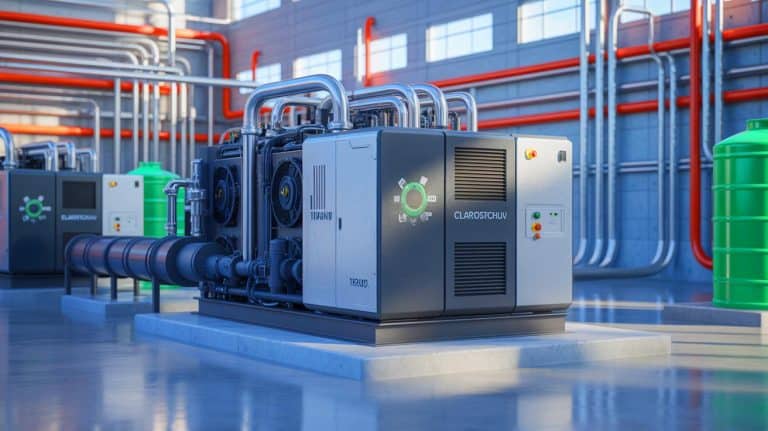
Hydrogen-powered drilling technology utilizes hydrogen fuel cells to generate energy for drilling operations, replacing traditional fossil fuels. This process involves converting chemical energy from hydrogen into electricity, which powers the engines, pumps, and other equipment necessary for drilling. This method is not entirely new, as hydrogen fuel cells have been successfully used in vehicles and mobile machinery. The shift towards hydrogen-powered drilling marks a significant step forward in reducing the environmental impact of construction.
While the technology has shown promise, it is still in its nascent stages. Companies often test it alongside existing natural gas infrastructure to create a hybrid setup. The gradual integration of hydrogen fuel cells into existing systems allows for a smoother transition, minimizing the risk of operational disruptions. However, further research and development are needed to optimize the technology for widespread use in the construction sector.
Environmental and Operational Advantages
The primary advantage of hydrogen-powered drilling is its potential to significantly reduce emissions. Hydrogen, as a clean energy source, can replace diesel and other fossil fuels without contributing to pollution. Studies indicate that using green hydrogen can reduce CO2 emissions by substantial amounts, making it an attractive alternative for environmentally conscious companies.
Moreover, hydrogen-powered drilling can lower noise pollution, a common issue in construction. Traditional drilling operations are noisy, causing disturbances to both workers and nearby communities. In contrast, fuel cell technology operates more quietly, with fewer moving parts, thus reducing sound output. This not only benefits the environment but also enhances the well-being of workers on-site.
Hydrogen fuel cells reduce noise and emissions, offering a quieter and cleaner drilling operation than traditional methods.
Challenges in Adoption
Despite its benefits, the adoption of hydrogen-powered drilling faces several challenges. One of the main hurdles is the complexity of hydrogen storage and transport. Ensuring a stable and safe supply of hydrogen to construction sites is critical for the technology’s success. Additionally, the machinery required for hydrogen-powered drilling can be complex for those unfamiliar with it, necessitating extensive training for the workforce.
Another significant barrier is the high cost of developing and implementing hydrogen-powered technology. Companies may be hesitant to invest in clean energy solutions due to their perceived instability compared to conventional fuels. While pilot programs and partnerships can help overcome these financial challenges, widespread adoption will require concerted efforts from industry stakeholders.
Integration with Other Technologies
The successful integration of hydrogen-powered drilling with other clean construction technologies can further enhance its benefits. For instance, adequate hydrogen storage solutions, such as underground storage, can mitigate risks of leakage and contamination. Additionally, using recyclable materials for drilling mechanisms can improve sustainability without compromising efficiency.
Hydrogen-powered drilling also has the potential to work in tandem with other renewable energy sources. Off-grid systems powered by hydrogen can reduce energy costs and minimize environmental impact, making them ideal for remote construction sites. By leveraging these synergies, the construction industry can achieve greater sustainability and operational efficiency.
As the construction industry continues to evolve, hydrogen-powered drilling offers a glimpse into a more sustainable future. With its potential to reduce emissions, decrease noise pollution, and improve site safety, this technology represents a significant step towards cleaner construction practices. However, challenges such as storage, transport, and cost must be addressed before it can be widely adopted. As more companies explore hydrogen-powered solutions, the question remains: will the construction industry embrace this technology and lead the charge towards a greener future?