




| IN A NUTSHELL |
|
In an unprecedented military exercise, Norway has successfully taken control of American munitions in midair, marking a significant leap in international defense collaborations. Dubbed “Jotun Strike,” this operation involved Norwegian forces redirecting American-made GBU-53/B StormBreaker bombs using secure data links. This exercise not only highlights advancements in military technology but also underscores the evolving nature of transatlantic defense relations. By achieving this level of coordination, Norway and the United States demonstrate the potential for allied forces to operate seamlessly, even in complex warfare scenarios.
Norway’s Bold Move in the Skies
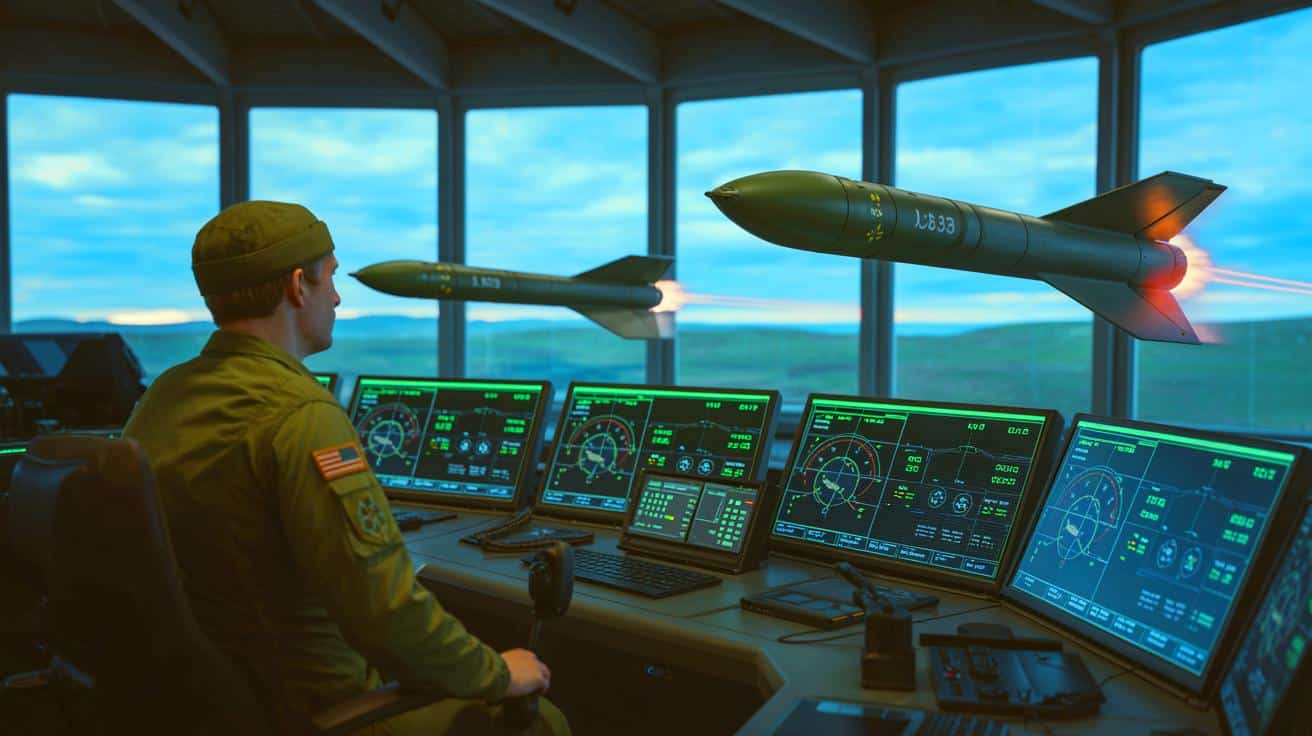
The Jotun Strike exercise marked a historic event as Norway demonstrated the ability to steer American munitions independently. Two F-15E Strike Eagle jets released the GBU-53/B StormBreaker bombs over the Norwegian Sea. Norwegian operators on the ground then took control, redirecting these bombs toward designated targets without direct U.S. assistance. This maneuver was facilitated by a secure military data link, reflecting an extraordinary level of trust and technical integration between the two nations.
This exercise signals a dramatic shift in military strategy, where allies can engage in operations without the need for constant direct involvement from the originating country. By allowing Norway to control the bombs, the operation showcased a new model of combat, emphasizing flexibility and decentralized command. Such developments could redefine how nations collaborate on the battlefield, offering new strategic opportunities and challenges.
Advanced Technology Behind the StormBreaker
The GBU-53/B StormBreaker is not just any bomb; it is a sophisticated piece of military technology equipped with autonomous targeting capabilities. This smart munition can identify and lock onto moving, concealed, or partially obscured targets using its multispectral sensors. The bomb’s tri-mode seeker system combines radar, infrared, and laser guidance to ensure precise targeting, even in adverse weather conditions.
Moreover, the StormBreaker maintains connectivity via Link 16, a military communication protocol used by NATO allies. This connection enables real-time trajectory adjustments and even the option to abort a mission if necessary. The integration of such advanced technology into allied operations exemplifies how modern warfare is increasingly reliant on connectivity and data-driven decision making.
The Role of Reconnaissance in Jotun Strike
Key to the success of Jotun Strike was the involvement of the P-8A Poseidon, a long-range surveillance aircraft. This reconnaissance plane played a crucial role by relaying vital information to the Norwegian operators. Its onboard radar provided precise data, which allowed for real-time recalibration of the bomb’s trajectory, ensuring mission accuracy and effectiveness.
The coordination between the Poseidon and the smart munitions highlights the importance of interoperability in modern military operations. By integrating various components of the defense system, the exercise demonstrated how each element could contribute to the success of a mission. This level of collaboration enhances the collective strength of a coalition, enabling more dynamic and responsive military strategies.
Implications for Future Warfare
Jotun Strike sets a new precedent in transatlantic military collaboration, positioning Norway as a proactive participant in network-centric warfare. The ability to control an American bomb mid-flight underscores a shift towards conflicts driven by communication, data, and environmental mastery. By successfully executing this operation, Norway has shown that it can wield these new tools and the digital frameworks that guide them.
As warfare evolves, the emphasis will likely continue to shift from traditional confrontations to battles fought through technology and information. This exercise is a testament to the changing nature of military engagements, where connectivity and data are paramount. Nations that master these elements will hold a strategic advantage in future conflicts, shaping the landscape of global defense alliances.
The success of Jotun Strike illustrates a new era of international defense cooperation, where technology and trust between nations are paramount. As Norway and the United States continue to enhance their military partnership, this exercise raises questions about the future of allied operations. How will other nations respond to this advancement, and what new alliances and strategies will emerge in response to this evolving landscape?