




| IN A NUTSHELL |
|
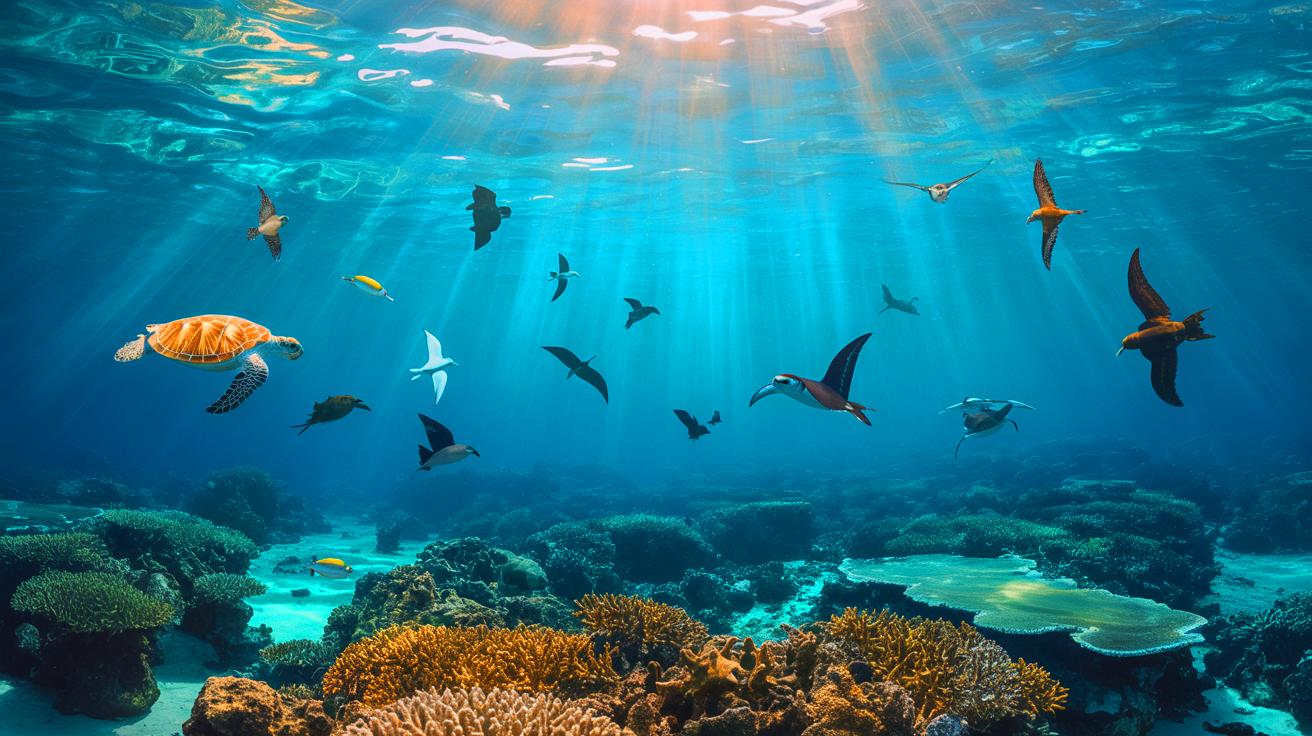
The vast expanses of our oceans hold secrets that are increasingly coming to light through scientific research. Recent studies, such as the one conducted by the University of Exeter, are shedding new light on the critical role of Marine Protected Areas (MPAs) in safeguarding marine life. These expansive zones are designed to offer sanctuary to large oceanic animals, which are vital to maintaining the health of marine ecosystems. By tracking the movements of species like sea turtles, manta rays, and seabirds, researchers are uncovering the significance of these areas in ensuring the survival of these creatures across their lifecycles.
The Role of Large Marine Protected Areas
The University of Exeter’s recent research highlights the importance of large Marine Protected Areas (MPAs) in preserving marine biodiversity. By focusing on the Chagos Archipelago MPA in the Indian Ocean, scientists tracked several marine species, including sea turtles, manta rays, and seabirds. Their movements within the 640,000 square mile area demonstrated the significance of such vast zones. An impressive 95% of tracking locations for these species were recorded within this protected area.
This research, involving collaboration with Heriot-Watt University and ZSL, further assessed the impact of smaller MPAs. A hypothetical 38,610 square mile MPA showed reduced protection, particularly for seabirds. These findings underscore the necessity of very large MPAs to achieve international conservation goals, such as the target of 30% ocean protection by 2030. Dr. Alice Trevail of Exeter University emphasized the evidence provided by the study for the Chagos Archipelago’s value in protecting a variety of large and mobile marine species.
Challenges in Protecting Seabirds
Seabirds, despite their crucial role in marine ecosystems, are less effectively covered by MPAs compared to other species. The study used tracking data on hawksbill turtles, reef manta rays, and three seabird species: red-footed boobies, brown boobies, and wedge-tailed shearwaters. These large animals are fundamental to the ecosystem, with seabirds playing a unique role. Their guano contributes to fertilizing coral reefs, supporting a range of marine life.
However, when considering a smaller MPA, only 59% of seabird locations would remain inside the protected area. This contrasts with 97% of manta and 94% of turtle locations still being safeguarded. The difference highlights the extensive ranges that seabirds cover and the need for larger protected areas to accommodate their behaviors.
Nuclear Energy in America: ‘This Is the Only Way Forward’ for Our Economy and Society’s Future
Future Long-Term Protection Strategies
With potential changes in sovereignty, as the Chagos Archipelago transitions to Mauritian control, the study’s findings are increasingly relevant. Large MPAs not only provide essential protection but also identify areas that are priorities for future conservation efforts. Dr. Ruth Dunn from Heriot-Watt University noted the critical roles these animals play in marine ecosystems, emphasizing the need for strategic long-term protection plans.
Funding from the Bertarelli Foundation facilitated this research, with President Ernesto Bertarelli acknowledging the collaborative efforts of scientists across disciplines. This study exemplifies how extensive MPAs can offer vital protection, ensuring the survival of vulnerable species throughout their lifecycles.
Implications for Global Conservation Efforts
The implications of the University of Exeter’s findings extend beyond the Chagos Archipelago. Very large MPAs could serve as a model for global conservation efforts, providing critical insights into how best to protect marine biodiversity. The study highlights the need for comprehensive international cooperation to expand and manage these protected areas effectively.
As the world strives to meet international conservation targets, the evidence from this study supports the argument for larger, well-managed MPAs. These areas not only preserve individual species but also maintain the intricate balance of marine ecosystems. The research calls for increased awareness and action to ensure the future of oceanic life, urging global stakeholders to prioritize marine conservation.
As the global community grapples with the challenges of marine conservation, this research raises an important question: how can nations effectively collaborate to expand Marine Protected Areas and safeguard our oceans for future generations?