


| IN A NUTSHELL |
|
The global technology landscape is witnessing a significant shift with the emergence of China’s Zhaoxin KX-7000 processor. Traditionally dominated by U.S. giants Intel and AMD, the processor market is now seeing a new contender that challenges the norms. The KX-7000, with its surprising specifications, seeks to disrupt the long-standing duopoly. As the gaming industry stands as one of the most demanding sectors, the performance of this new processor is under the spotlight. What does this mean for the global tech market, and how might it reshape the competition?
Challenging the Dominance of Intel and AMD
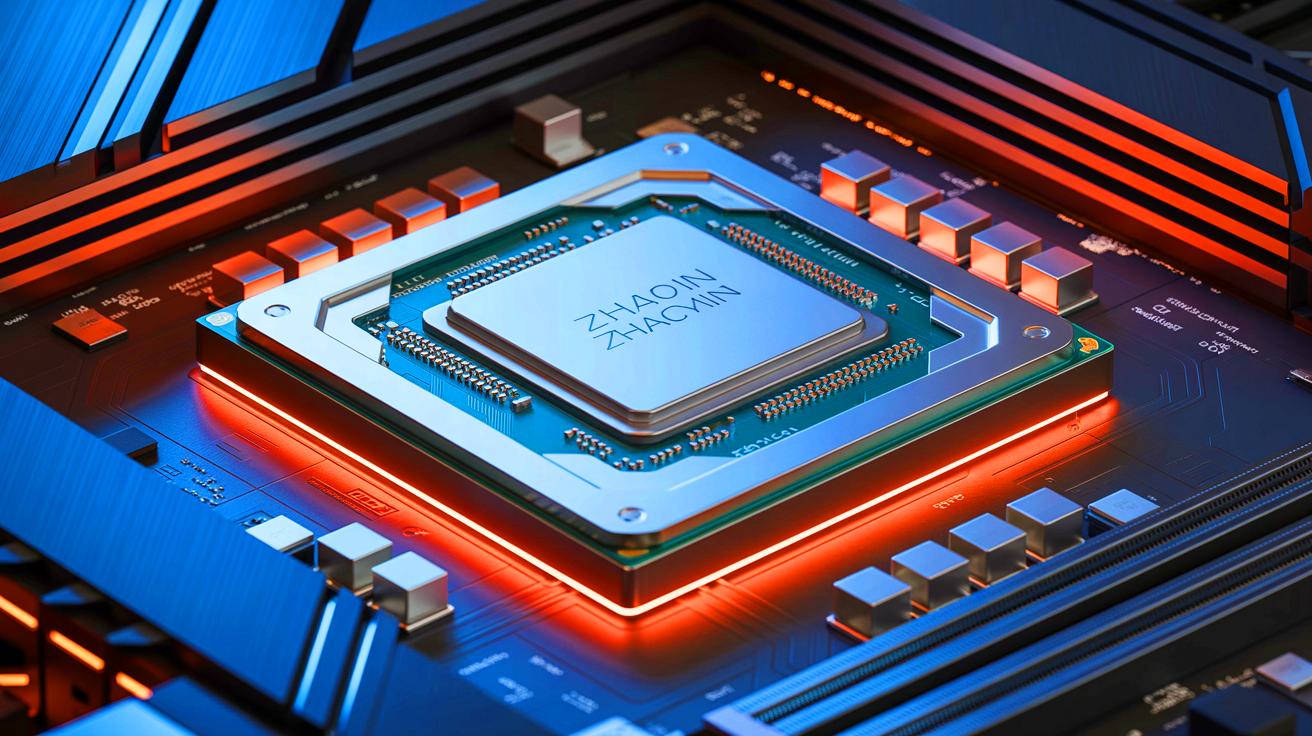
Zhaoxin’s latest offering, the KX-7000, poses a direct challenge to established players like Intel and AMD. One of the primary concerns about a Chinese processor has always been compatibility. Users fear an exotic architecture that might not support popular gaming libraries like Steam or Epic. However, Zhaoxin addresses these concerns by using the x86-64 architecture, the same one employed by Intel and AMD for decades. This ensures native compatibility with Windows and the majority of PC software and games.
The KX-7000 is not attempting to create an alternative ecosystem; it is competing on familiar ground. It features modern specifications: 8 cores, a boost frequency of up to 3.7 GHz, support for DDR5 memory, and PCIe 4.0 bus. As noted by industry observers, this new generation of processors from China signifies a serious leap forward. The question remains, can it truly compete with the giants in the gaming sector?
Performance: Promising But Not Yet a Leader
While the Zhaoxin KX-7000 looks impressive on paper, how does it stack up against market leaders? Early benchmark leaks suggest it won’t dethrone high-end processors like the Core i9 or Ryzen 9. However, its performance is comparable to processors like the AMD Ryzen 5 3600 or the 10th generation Intel Core i5. This is a notable achievement for a processor developed outside the U.S. tech ecosystem.
Its power is sufficient to run most current games effectively, especially when paired with a robust dedicated graphics card. Zhaoxin’s immediate goal isn’t to dominate the high-end market but to establish itself as a credible mid-range alternative. This strategic positioning could prove advantageous as they build credibility and recognition in the global market.
| Zhaoxin KX-7000 | AMD Ryzen 5 7600X | Intel Core i5-13400F | |
|---|---|---|---|
| Architecture | x86-64 | x86-64 | x86-64 |
| Cores / Threads | 8 / 8 | 6 / 12 | 10 (6P+4E) / 16 |
| Max Boost Frequency | 3.7 GHz | 5.3 GHz | 4.6 GHz |
| L3 Cache | 32 MB | 32 MB | 20 MB |
| Integrated GPU | Yes (details unspecified) | Yes (RDNA 2) | No |
| Supported Memory | DDR5 / DDR4 | DDR5 | DDR5 / DDR4 |
| PCIe Lanes | PCIe 4.0 | PCIe 5.0 | PCIe 5.0 |
Beyond a Processor: A Statement of Independence
The launch of the KX-7000 represents more than just a new product; it is part of China’s broader strategy to achieve technological self-sufficiency. By developing its processors and mastering production, China aims to shield itself from geopolitical tensions and potential embargoes. Each new generation of processors is a step towards this goal.
The challenge remains daunting. It is not enough to produce a good processor; Zhaoxin must also convince motherboard manufacturers, software developers, and, ultimately, gamers. As Zhaoxin stated in a press release:
“Our goal with the KX-7000 series is not merely to offer top-tier performance but to build a strong and independent computing ecosystem.”
The message is clear: China is no longer content to merely assemble technologies from others. The question now is not if China can compete in hardware, but when it will become a standard in our setups.
The Implications for the Global Market
The introduction of the KX-7000 has significant implications for the global technology landscape. For consumers, it means more choices and potentially lower prices as competition intensifies. For companies, it means reevaluating strategies to maintain their market positions. China’s move into the processor market could reshape how technology is developed and consumed worldwide.
As the technology matures, Zhaoxin’s success will depend on its ability to innovate and meet the evolving needs of consumers. This competition could drive advancements across the industry, benefiting users with better and more affordable technology. The world is watching closely to see how this new player will influence the future of computing.
The emergence of Zhaoxin’s KX-7000 highlights the shifting dynamics in the global processor market. As China seeks to establish its technological independence, the competition promises to bring both challenges and opportunities. As we look to the future, how will this new player impact the broader tech ecosystem, and what innovations might it spur in the industry?