



| IN A NUTSHELL |
|
The evolution of aviation has always been marked by ambitious projects that push the boundaries of engineering and logistics. The latest contender in this arena is the WindRunner, a colossal aircraft designed not just to carry massive payloads, but to redefine the logistics of air transport. Conceived by Radia, a Colorado-based company, this aircraft is poised to transform both military logistics and civilian freight industries. With its impressive dimensions and versatile design, WindRunner offers a glimpse into the future of heavy-lift aviation.
Revolutionizing Air Cargo with Unprecedented Capacity
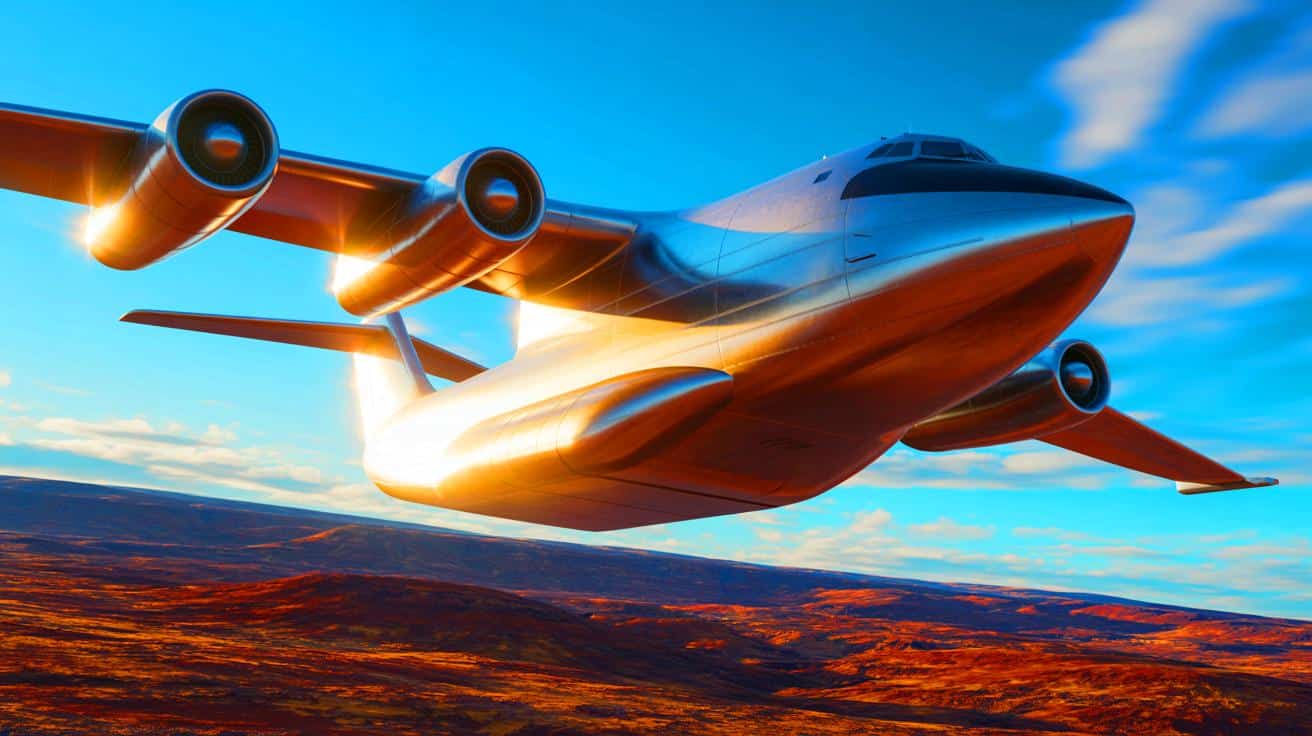
The WindRunner boasts a remarkable length of 354 feet and is capable of transporting over 160,000 pounds of cargo. What sets this aircraft apart is its ability to carry a wide variety of heavy and bulky items, ranging from six Chinook helicopters to multiple F-16 fighters, all without disassembly. The aircraft’s cargo hold is designed for maximum efficiency, featuring a nose that lifts upward, facilitating easy loading along its entire length.
This design draws inspiration from legendary aircraft like the C-5 Galaxy and the Boeing 747 cargo, yet it presents a modern twist by incorporating twin vertical stabilizers reminiscent of the iconic Antonov An-225. The high-wing configuration not only ensures ample clearance for oversized loads but also allows the aircraft to operate from unpaved runways, making it ideal for remote locations. In essence, WindRunner is engineered to be the ultimate heavy-lift solution for the 21st century.
A Strategic Approach to a Monumental Design
While the WindRunner’s size is its most striking feature, Radia’s strategy does not prioritize cutting-edge technology for its own sake. Instead, the company focuses on using existing, proven components to minimize risks and streamline production. The majority of the aircraft’s structure will consist of aluminum, with carbon composites enhancing the wings and tail to keep the weight manageable.
This pragmatic approach extends to its partnerships with key industry players. Companies like Leonardo, Aernnova, and Astronautics Corp. of America are involved, each contributing their expertise to different components of the aircraft. By leveraging these collaborations, Radia aims to expedite the development process, with the first fully operational WindRunner expected to take flight within three years. This method not only reduces initial investment but also promises a quicker return on investment, a rare feat in the aviation industry.
Innovative Solutions for Wind Energy Challenges
The inception of the WindRunner project was grounded in the practical challenges faced by the wind energy sector. As wind turbine blades continue to grow in length, transporting these massive components over land has become increasingly difficult. Traditional infrastructure can’t accommodate the size of these blades, presenting a logistical nightmare for renewable energy companies.
Radia’s solution was to bypass terrestrial obstacles entirely by taking to the skies. The WindRunner is specifically designed to transport these enormous blades directly to wind farms, regardless of their location. Capable of landing on rudimentary fields, this aircraft offers a unique solution to a pressing problem, enabling the continued expansion of wind energy infrastructure in even the most remote areas.
A New Era in Heavy-Lift Aviation
The WindRunner’s development comes at a time when the aviation industry is in dire need of new heavy-lift platforms. With aging giants like the Antonov An-124 and the C-5 Galaxy nearing the end of their operational lives, there is a significant gap in the market for modern, versatile cargo aircraft. The WindRunner aims to fill this void, potentially becoming the go-to solution for military and civilian logistics alike.
As the world looks towards sustainable solutions and efficient logistics, the WindRunner represents a promising step forward. Its ability to handle extreme loads with ease positions it as a critical asset in future global supply chains. The question remains: will this ambitious project soar to new heights, or will it face turbulence in the competitive skies of aviation?