

| IN A NUTSHELL |
|
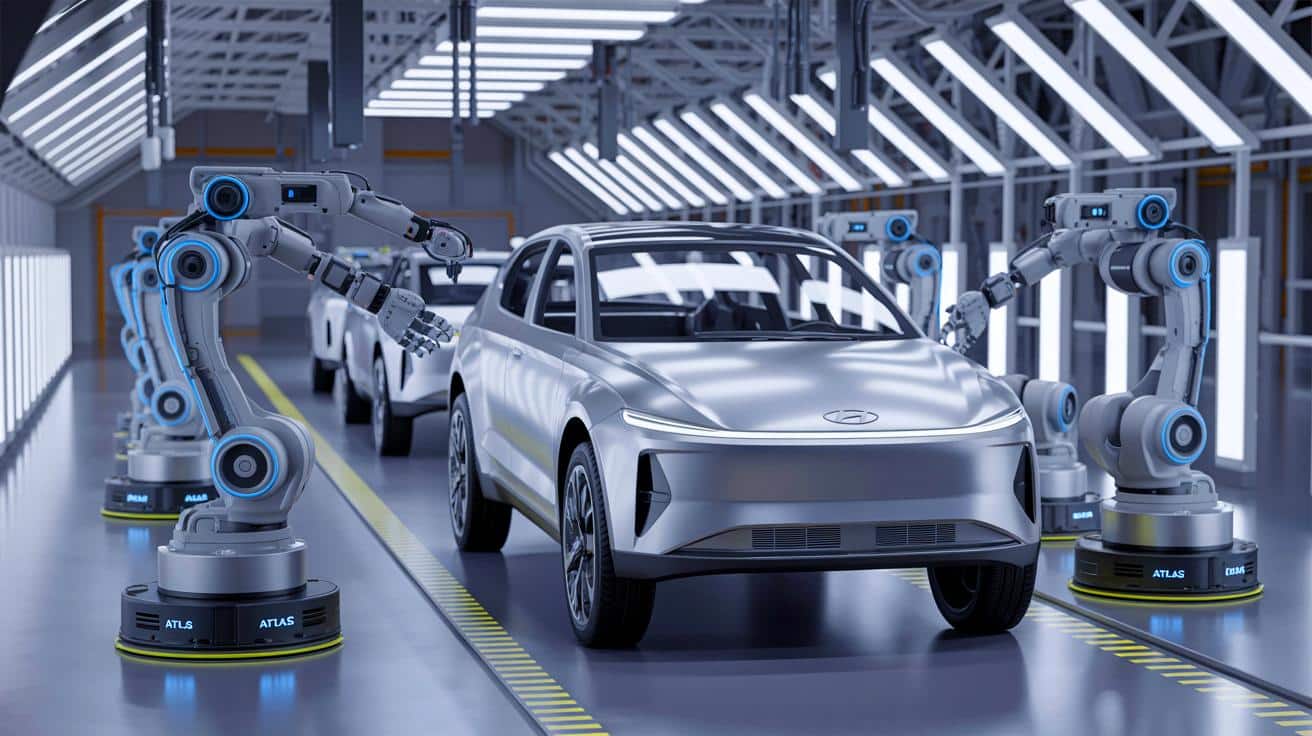
Hyundai Motor Group is pushing the boundaries of factory automation with its latest initiative to integrate humanoid robots into its vehicle assembly process. At the forefront of this innovative endeavor is the deployment of Atlas robots, developed by Boston Dynamics, at the Metaplant America facility in Georgia. This move is part of Hyundai’s grand vision to manufacture 300,000 electric and hybrid vehicles annually in the U.S., marking a significant advancement in both automation and electric vehicle production. As the automaker gears up for a more automated future, the implications for the workforce and manufacturing processes are profound.
Humanoid Robots Boost Automation
Hyundai’s Metaplant America facility is no stranger to automation. The plant has already been utilizing Spot robots for industrial inspections, and specialized robots handle tasks like car door removal and installation during assembly. However, the introduction of Atlas humanoid robots marks a new chapter in automation at the facility. These bipedal robots are expected to take on tasks traditionally performed by humans, although the specifics of their roles remain undisclosed.
Boston Dynamics, acquired by Hyundai from SoftBank in 2021, is at the heart of this robotic revolution. The partnership aims to scale up robotic manufacturing and design, potentially setting a new standard for factories worldwide. While the number of Atlas robots to be deployed is not yet public, Hyundai’s commitment to expanding robotic use across its global facilities is clear. This initiative is not just about efficiency but also about redefining what is possible in automated manufacturing.
Automation Push to Cut Costs
The move towards increased automation is a strategic part of Hyundai’s $21 billion investment plan in the U.S., with $6 billion allocated specifically for innovation and automation. This investment is not only a response to market demands but also a strategic maneuver in light of tariffs on imported autos. North America is Hyundai’s largest market, and despite a global sales decline, the company’s U.S. sales rose by 4 percent last year.
Hyundai’s focus on the U.S. market is evidenced by its ambitious production targets at the new Georgia facility. Initially aiming for 300,000 electric and hybrid vehicles annually, the company plans to increase this figure to 500,000 over time. With an overall goal of producing 1.2 million vehicles annually in the U.S., Hyundai is positioning itself as a formidable player in the automotive industry. The emphasis on automation is expected to streamline production processes and reduce costs, further solidifying Hyundai’s competitive edge.
Economic Implications of Automation
The integration of humanoid robots into Hyundai’s manufacturing process cannot be viewed in isolation. It has broader economic implications, particularly concerning the labor market. As robots take on more tasks, questions arise about the future of human labor in manufacturing. This shift could lead to a reduction in certain types of jobs, prompting discussions about the need for upskilling and reskilling the workforce.
On the other hand, automation can lead to new opportunities, particularly in fields related to robotics and maintenance. The challenge lies in balancing technological advancement with economic stability. Hyundai’s investment in the U.S. market, including its commitment to not raising prices despite tariff pressures, reflects a nuanced approach to leveraging automation while maintaining economic viability.
Looking Ahead: Challenges and Opportunities
As Hyundai continues to push the envelope in robotic automation, several challenges and opportunities lie ahead. The successful integration of humanoid robots into the assembly line could serve as a model for other manufacturers, potentially sparking a broader shift towards more automated production processes. However, this transition must be managed carefully to address concerns about job displacement and economic impact.
The company’s dedication to innovation and strategic partnerships will play a crucial role in navigating these challenges. By investing in both technology and human capital, Hyundai has the opportunity to lead the way in sustainable and efficient manufacturing. The question remains: how will the broader industry respond to these changes, and what will the future of manufacturing look like as automation becomes increasingly prevalent?
Hyundai’s ambitious plans for automation and production in the U.S. highlight the dynamic nature of the automotive industry. As the company integrates advanced robotics into its assembly lines, it must balance innovation with economic and social considerations. The evolving landscape presents both challenges and opportunities, prompting a critical question: how will the industry adapt to ensure that technological advancements benefit both businesses and the workforce?