




| IN A NUTSHELL |
|
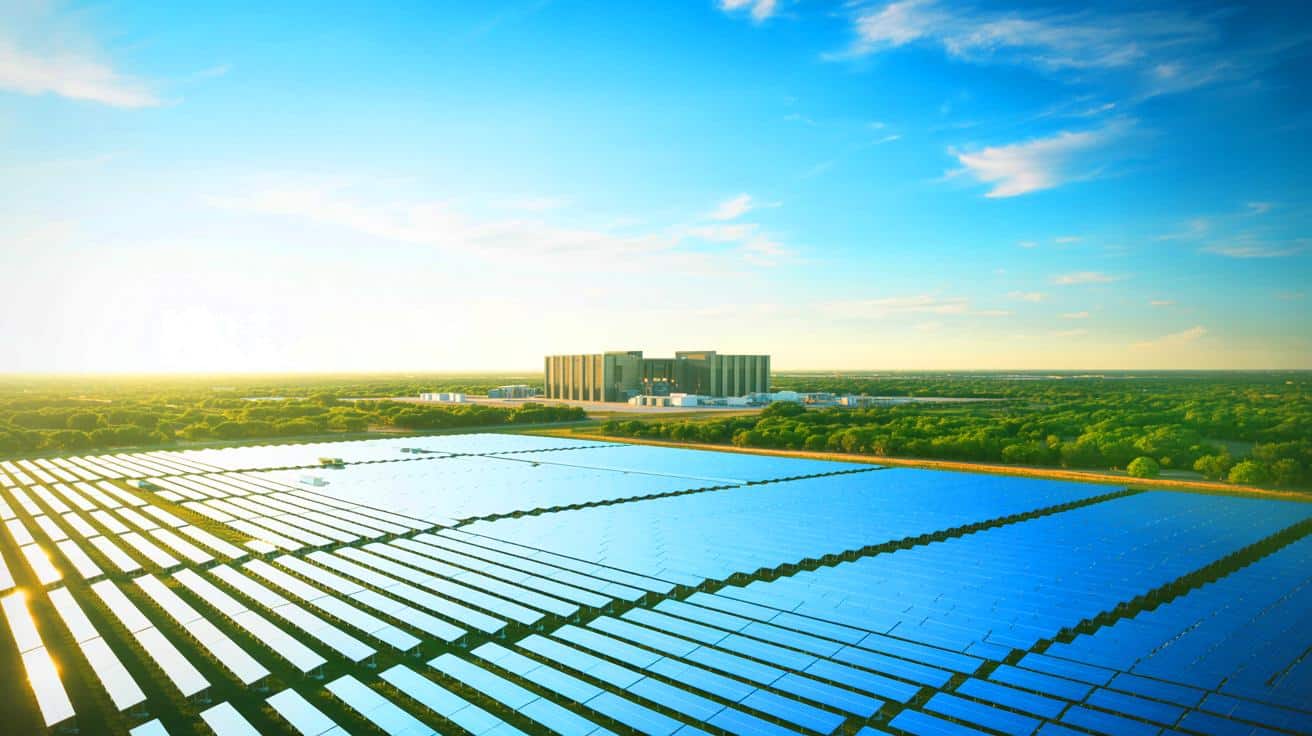
In July 2025, Enbridge, a Canadian energy company, announced the construction of a new solar farm in southern Texas. Dubbed Clear Fork, this solar installation is set to generate 600 megawatts of power, entirely dedicated to serving the energy needs of Meta Platforms. The project represents a $900 million investment and marks a significant shift in renewable energy strategies aimed at supporting the massive energy demands of the digital industry. This development highlights the growing trend of private companies investing in renewable energy to power their operations, bypassing traditional public energy grids.
The Rise of Private Renewable Energy Projects
Clear Fork is a prime example of the evolving landscape of renewable energy, particularly how major corporations are now investing directly in energy production. This solar farm, capable of producing 600 megawatts, operates entirely outside of public grid systems. The direct purchase agreement between Meta and Enbridge ensures that all generated energy is reserved for Meta’s use. Such arrangements are becoming increasingly common as companies seek reliable and sustainable energy sources.
This shift represents a significant departure from traditional energy procurement methods. By engaging directly with energy producers, companies like Meta are circumventing traditional market intermediaries. This approach not only provides energy security but also shields them from market volatility. For Enbridge, a company traditionally focused on pipelines and natural gas, this project signifies a strategic pivot toward low-carbon energy solutions, highlighting the growing demand for renewable energy among tech giants.
Meta’s Commitment to 100% Solar Energy
The energy produced by Clear Fork is set to power Meta’s upcoming hyperscale data center, Prometheus, slated for completion in 2026. While specific details about the data center’s capacity and energy requirements remain undisclosed, the collaboration signifies Meta’s commitment to powering its operations with clean energy. Urvi Parekh, Meta’s global head of energy, expressed enthusiasm about the partnership, emphasizing the company’s goal of utilizing 100% clean energy across its data centers.
This initiative aligns with Meta’s broader strategy to reduce its carbon footprint and support environmental sustainability. As executive vice president at Enbridge, Matthew Akman highlighted the growing renewable energy demands from tech companies managing large data operations. This trend underscores the pivotal role that renewable energy plays in the tech industry’s sustainability agendas.
Economic and Environmental Implications
The $900 million investment in Clear Fork places it among the most substantial commercial solar projects in the United States. Similar-sized solar installations typically require investments ranging from $700 to $950 million. This comprehensive cost covers land acquisition, engineering, procurement, construction, and operational expenses.
However, the exclusive nature of this energy project raises questions about the allocation of resources. By dedicating all generated power to a single private entity, the broader community’s access to renewable energy is limited. While Meta gains energy stability and cost predictability, concerns about resource distribution and the potential impact on public energy systems remain. This scenario prompts a reevaluation of how solar resources are allocated, considering both private and collective needs.
Impacts on Public and Private Energy Markets
The Clear Fork project exemplifies a growing trend in the energy sector: the divergence between electricity production for regulated markets and private corporate use. This trend is reshaping the energy landscape, with companies like Meta opting for customized power purchase agreements to ensure energy sovereignty. By doing so, they mitigate the risks associated with wholesale market fluctuations.
This shift compels institutional actors to reconsider regional renewable energy capacity planning. As large-scale projects are absorbed by single entities, regional energy mix planning must account for these shifts in demand and supply. Clear Fork may serve as a precedent for future private renewable energy projects, potentially influencing the broader configuration of America’s energy infrastructure.
As the digital industry continues to expand, the demand for renewable energy will likely increase. Projects like Clear Fork are setting new standards for how energy is produced and consumed. With the evolving energy landscape, how can public and private sectors collaborate to ensure equitable resource distribution while meeting the growing energy demands of the digital age?