




| IN A NUTSHELL |
|
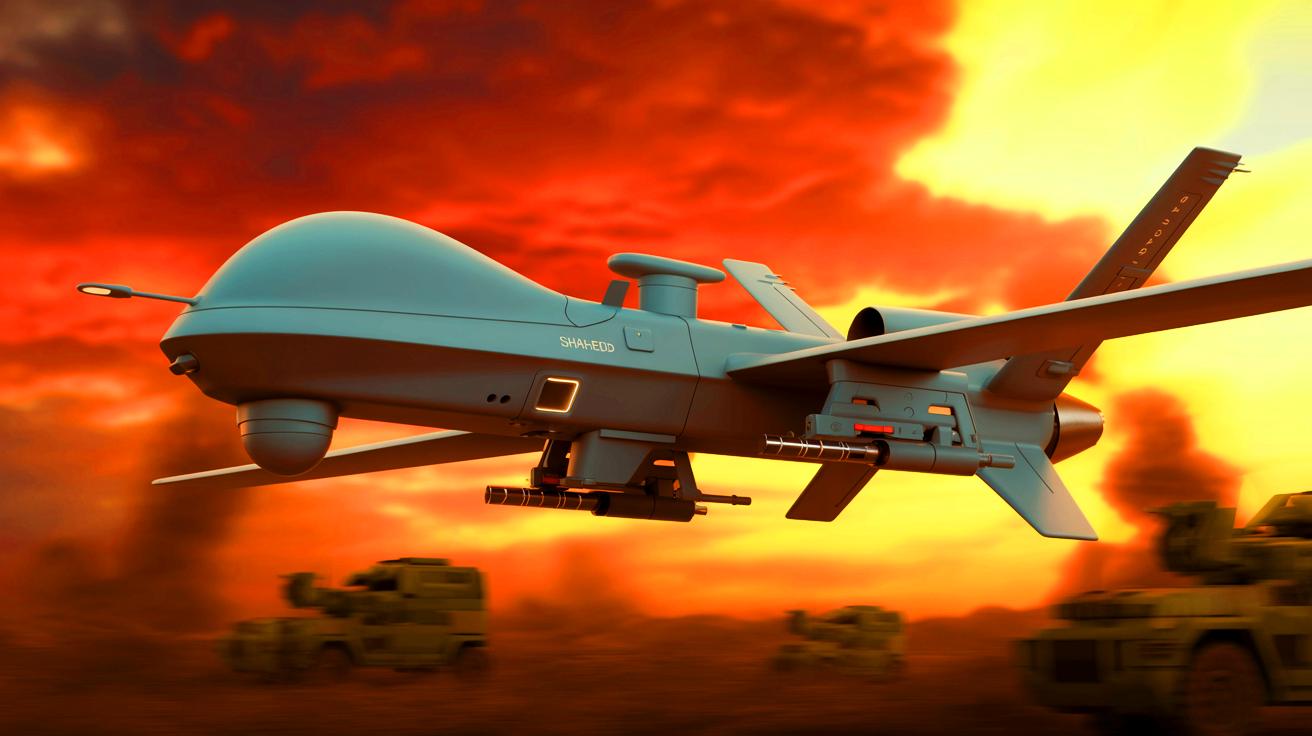
The ongoing conflict between Russia and Ukraine has seen a dramatic evolution in military tactics and technology. One of the most notable developments is the use of the Shahed-136 kamikaze drone, originally developed by Iran and now a staple of the Russian arsenal under the name Geran-2. These drones are cost-effective, have long-range capabilities, and carry significant explosive payloads, making them a critical component of Russia’s deep-strike and tactical operations in Ukraine. As the Ukrainian military continues to face this persistent threat, it has developed increasingly effective methods to counter them. However, the dynamic nature of warfare means both sides are continually adapting in this high-stakes game of cat and mouse.
The Rise of the Shahed Drone
The Shahed-136 drone has become a pivotal element in Russia’s military strategy since the outset of its full-scale invasion of Ukraine in February 2022. Initially supplied by Iran, these drones are now manufactured domestically in Russia, underscoring their importance in the Kremlin’s tactical repertoire. Their low cost and high efficiency make them an attractive option for Russia, allowing for extensive deployment without significant financial burden.
Ukraine, recognizing the threat posed by these drones, has been forced to innovate rapidly. The Ukrainian Air Force has implemented a robust anti-air defense doctrine capable of adapting to evolving enemy tactics. This includes a combination of kinetic measures, such as gunfire and missiles, alongside non-kinetic strategies like electronic jamming. On January 25, 2025, Ukraine’s military announced the successful interception of 61 Shahed drones, highlighting the effectiveness of these combined tactics.
Countermeasures and Adaptations
Ukraine’s defense against the Shahed drones has been multifaceted. Electronic jamming has proven particularly effective, neutralizing approximately half of the low-flying drones sent by Russia. Ukrainian forces have consistently updated their equipment to exploit weaknesses in Russian systems. For drones that evade electronic countermeasures, Ukraine has adapted its response based on altitude, utilizing fighter jets for high-altitude interceptions and mobile teams with machine guns for low-flying threats.
This strategy has been largely successful; however, recent trends indicate a shift. As of June 25, the effectiveness of Ukraine’s defenses has been challenged, with 19 out of 71 Shahed drones successfully reaching their targets. This increase in successful strikes suggests that Russian tactics and technology are evolving, prompting further adaptations from Ukrainian forces.
Technological Enhancements in Russian Drones
The latest iterations of the Shahed drone have introduced several enhancements to improve their resilience and effectiveness. The motor compartment is now armored to withstand machine gun fire, and fuel tanks have been repositioned to the drone’s body, complicating efforts to shoot them down. Some models even carry submunitions, which they can release mid-flight, expanding their impact area and increasing their lethality against troop concentrations and fortified positions.
In addition to technological upgrades, Russia has altered its deployment strategies. Drones are now launched in pairs, with one flying at a low altitude to distract Ukrainian radar systems while the other flies higher. This tactic allows the high-flying drone more time to reach its target. Furthermore, these drones are often accompanied by smaller Lancet drones, which target Ukrainian interception teams, clearing the way for the Shahed drones to strike.
The Ongoing Technological Arms Race
Faced with these challenges, Ukraine continues to innovate. Ukrainian engineers are working to enhance detection systems to counter the dual-drone tactics, while ground teams are bolstering their defenses with more powerful firearms. Additionally, Ukraine has targeted the production facilities of Shahed drones to disrupt the supply chain at its source.
This conflict has become a relentless race of technological and tactical innovation. As Russia improves its drones, Ukraine adapts its defenses, perpetuating a cycle of escalation. The question remains: how long can this cycle continue, and what will it ultimately mean for the future of military conflict?
The conflict between Russia and Ukraine demonstrates the rapidly changing nature of modern warfare, marked by technological advancements and strategic ingenuity. As both nations continue to adapt and counter each other’s innovations, the stakes remain high. What new developments will emerge, and how will they shape the future landscape of global military strategy?