




| IN A NUTSHELL |
|
The world is in the midst of an urgent search for renewable energy sources to combat climate change. While solar and wind power have gained significant attention, Scotland’s recent advancements in tidal energy highlight a promising alternative. The MeyGen project, located in the turbulent waters of the Pentland Firth, has showcased the potential of tidal turbines as a sustainable and competitive source of clean electricity. This pioneering initiative is pushing the boundaries of marine energy, offering hope for a future where ocean power becomes a key player in the global energy mix.
The Power of Tidal Energy
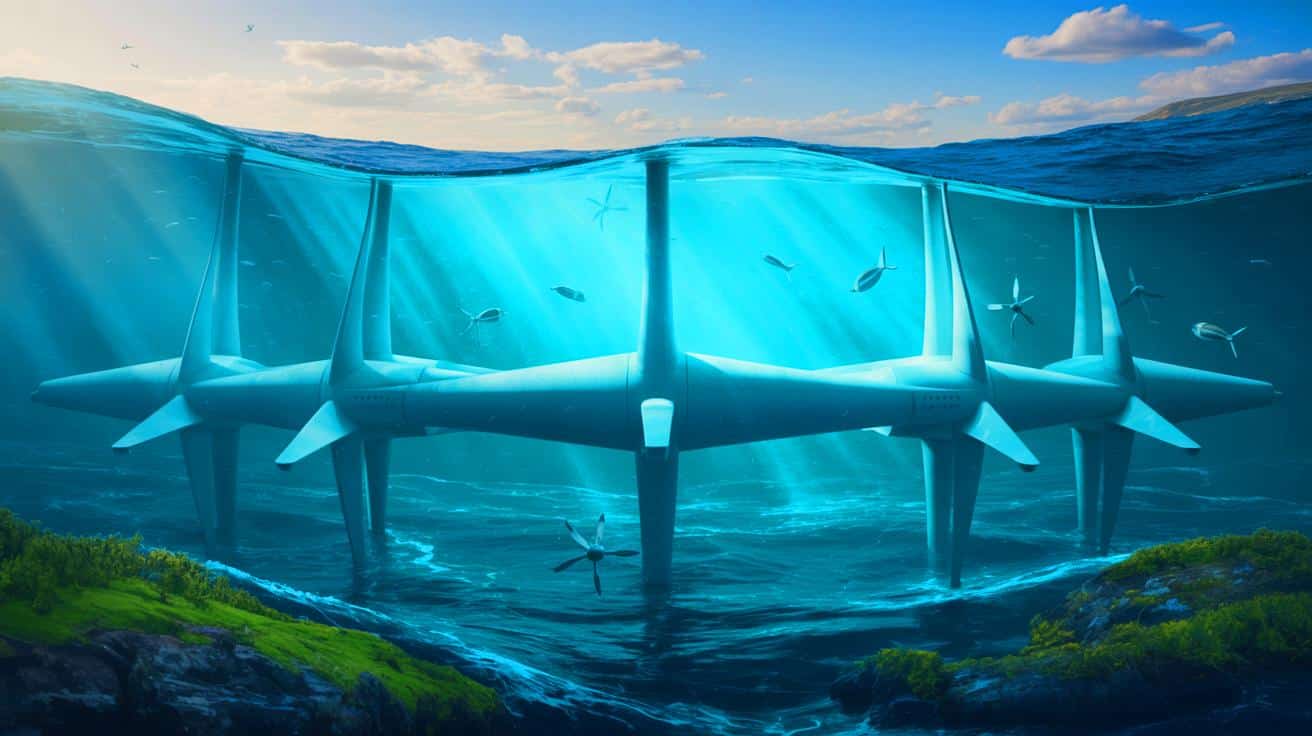
In the northern waters of Scotland, the MeyGen project is transforming the rhythmic movement of tides into a reliable source of electricity. This ambitious pilot project harnesses the energy of the ocean’s tides, demonstrating that marine power can stand shoulder to shoulder with well-established renewable giants like solar and wind. For over six years, the project has successfully operated four massive turbines submerged 131 feet below the surface, churning out electricity from the powerful currents of the Pentland Firth.
The MeyGen project is a testament to the durability and promise of tidal energy, a resource that has long been overlooked in the renewable energy conversation. This initiative has proven that tidal energy is not just a theoretical concept but a practical solution with the potential to provide significant amounts of clean power. By converting the relentless power of tides into electricity, MeyGen is paving the way for future developments in this field, making tidal energy a viable and attractive option.
Challenges and Achievements
Operating large turbines in the challenging marine environment of the Atlantic Ocean is no small feat. Yet, MeyGen’s turbines have achieved a remarkable milestone: one has surpassed six and a half years of operation without the need for unexpected maintenance. This accomplishment is a significant reassurance to investors and stakeholders, signaling the commercial viability of tidal power. The project’s success underscores the resilience and effectiveness of these systems in enduring harsh ocean conditions.
Experts recognize marine energy as the largest untapped renewable resource on Earth, encompassing energy from tides, currents, and waves. MeyGen’s initial setup of four 1.5-megawatt turbines already powers up to 7,000 homes annually. Plans are underway to expand this with an additional 20 turbines by 2030, potentially growing to 130 turbines. Such expansion could transform the region into a hub of green energy, showcasing the scalability and potential impact of tidal power.
Overcoming Barriers
Despite its promise, the widespread adoption of tidal energy faces several hurdles. Regulatory challenges, environmental impacts, and coexistence with other ocean users, such as fishermen, are significant considerations. However, the MeyGen project has effectively dispelled doubts regarding the robustness of tidal systems, proving that these turbines can thrive and produce consistently in the tumultuous waters of the Atlantic.
Scotland and the United Kingdom are currently at the forefront of tidal energy development. The MeyGen project serves as a beacon for the future of renewable energy, demonstrating the feasibility and economic potential of tapping into ocean power.
By establishing the reliability and profitability of its turbines, Scotland is leading the charge toward a future where tidal energy could play a pivotal role in the global energy landscape.
The Future of Marine Energy
As the world grapples with climate change, projects like MeyGen offer a glimpse into a sustainable future. By showcasing the viability of tidal energy, Scotland is setting a precedent for other nations to follow. If successful, the expansion of tidal power could significantly contribute to reducing carbon emissions and diversifying the global energy portfolio.
With the potential to power entire regions, tidal energy represents a critical opportunity in the fight against climate change. The lessons learned from MeyGen could inform future projects worldwide, spurring innovation and investment in marine energy technologies. As the global community seeks cleaner energy solutions, will other countries embrace the tide and invest in this promising avenue for renewable energy?