


| IN A NUTSHELL |
|
For over two centuries, Europe’s industrial landscape has been heavily reliant on fossil fuels. Despite numerous efforts to transition to cleaner energy sources, the continent continues to face challenges in decarbonizing its industrial sectors. The European industrial sector is a significant contributor to global greenhouse gas emissions, accounting for 24% of the total. While renewable energy sources like wind and solar offer potential solutions, their intermittent nature poses compatibility issues with industrial needs. However, a new opportunity emerges with long duration energy storage (LDES) technologies, which promise to accelerate Europe’s journey towards net-zero emissions.
Europe’s Bold Decarbonization Ambitions
In February, the European Commission set forth an ambitious target to reduce the EU’s net greenhouse gas emissions by 90% by 2040 compared to 1990 levels. This bold vision underscores the necessity of decarbonizing both the industrial and agricultural sectors to create a sustainable and competitive European economy. The commitment is not limited to policymakers; a significant number of European CEOs, approximately 75%, are actively implementing measures to reduce their companies’ carbon footprints.
Major industry players are embracing a wide range of strategies to lower emissions. These include enhancing energy efficiency, adopting renewable energy sources, expanding the availability of alternative fuels, and conducting lifecycle assessments. Despite these efforts, the intermittent nature of renewable energy sources like wind and solar has been a significant hurdle. However, LDES technologies offer a promising solution capable of eliminating 65% of industrial emissions by 2040.
The Role of Long Duration Energy Storage
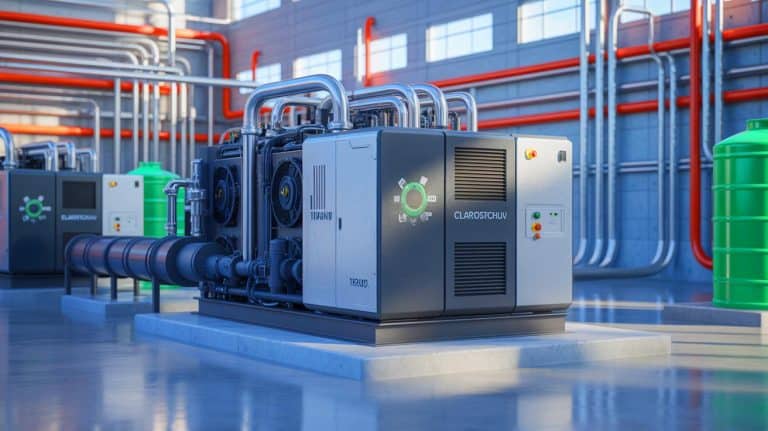
Long duration energy storage (LDES) technologies are designed to store renewable energy for extended periods, ranging from several hours to entire seasons. These technologies encompass electrochemical, mechanical, thermal, and chemical solutions. Companies are already producing these technologies, which are crucial for reducing greenhouse gas emissions by 90% by 2040.
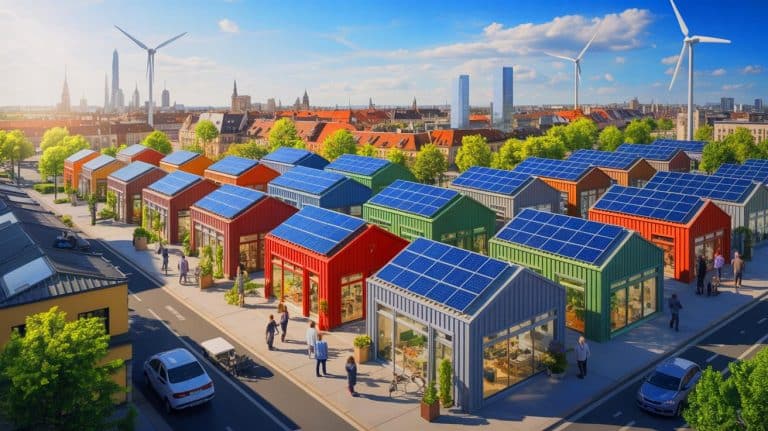
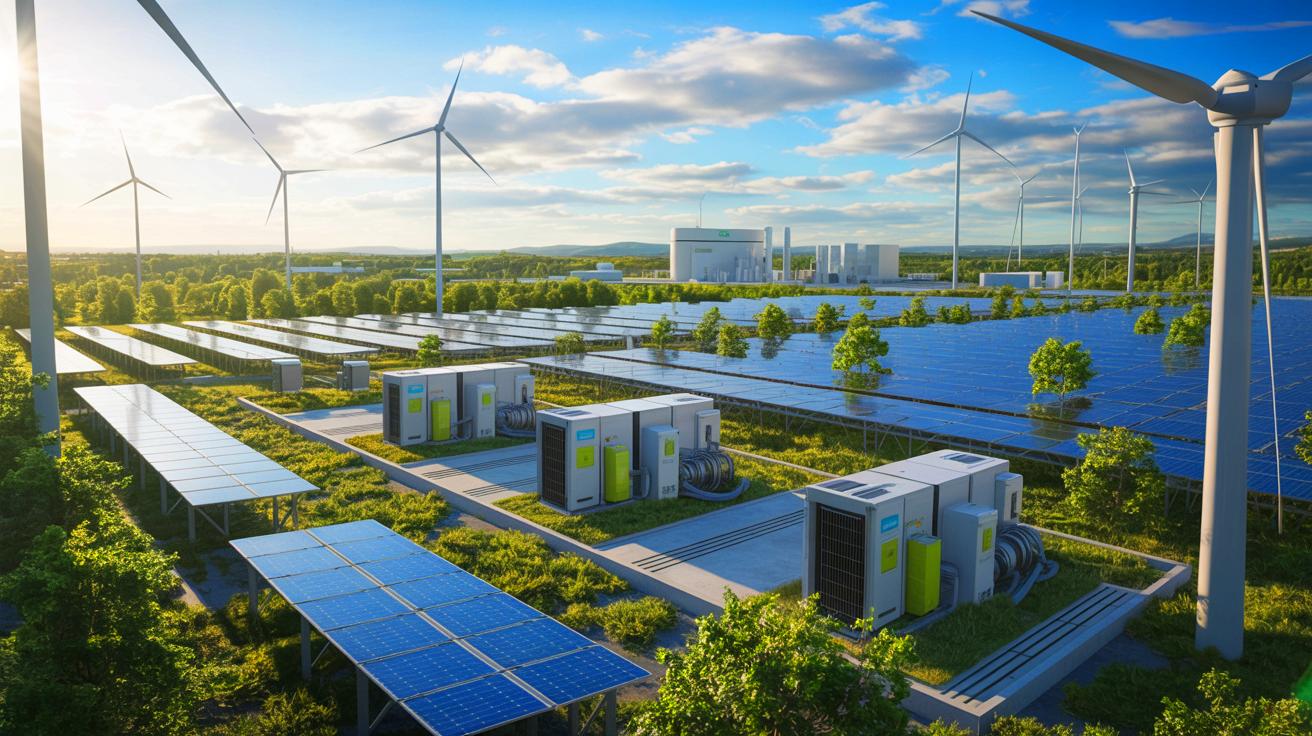
Capturing solar and wind generation, and coupling that power with long-duration energy storage, guarantees clean power is available for large energy consumers daily.
Electrochemical storage, particularly in the form of batteries, is one of the most recognized types of LDES. Emerging technologies like flow batteries are particularly suitable for long-duration storage due to their ability to separately scale energy and power. In Europe, companies are leveraging these technologies for data centers and backup power applications, ensuring a reliable supply of clean energy.
LDES and Mining Operations
Beyond data centers, LDES solutions have the potential to transform other industries, such as mining and off-grid energy generation. Mechanical solutions that store energy in potential or kinetic forms and thermal solutions that convert renewable energy into heat can significantly reduce emissions in large industries like chemical manufacturing and mining.
By harnessing cheap renewable energy and moving away from gas, companies can lower their exposure to volatility in the gas market to produce cheaper and greener food.
Approximately 50 mines are expected to open in Europe by 2030 to meet the demand for critical minerals essential for the energy transition. However, if these operations are not powered by renewable energy and supported by LDES, the mining renaissance could lead to a surge in greenhouse gas emissions.
Expanding the Possibilities of LDES
While LDES can decarbonize various electrical applications today, the future possibilities are immense. Industrial heat processes, significant contributors to emissions, require decarbonization to achieve net-zero goals. In Europe, nearly 47% of industrial heat demand falls below 932°F, making it suitable for electrification.
Thermal LDES, when combined with technologies like e-boilers and heat pumps, can facilitate the electrification of low-to-medium temperature heat within 15 years. Although steel and cement industries face challenges due to their reliance on fossil fuels for high-temperature processes, LDES offers potential solutions for waste heat recovery and preheating.
A Policy Shift Towards Sustainable Energy
Transitioning to LDES is not without challenges. The EU’s goal of a 90% reduction in emissions by 2040 may be at risk if the potential of LDES is not fully realized. Achieving net-zero emissions requires a comprehensive policy approach based on three pillars: long-term market signals, robust revenue mechanisms, and dedicated technology support.
Clear mandates for energy storage are essential to send positive long-term market signals that enable decarbonization. Additionally, revenue mechanisms must demonstrate financial viability for customers and investors. Public-private partnerships, grants, and investments from governments can accelerate research and development, driving innovation and delivery.
These policies are not merely enablers; they serve as catalysts for change. The potential savings of up to $540 billion annually with LDES highlight its importance. Europe’s industries are diverse, as are their energy needs, but the common thread is the necessity for sustainable, reliable, and cost-effective energy solutions.
The potential of long duration energy storage technologies to decarbonize European industries is substantial. However, realizing this vision requires collaboration between industries and policymakers. As Europe strives for a sustainable and prosperous future, how can stakeholders best align their efforts to achieve these ambitious decarbonization goals?