

| IN A NUTSHELL |
|
France’s recent approval from the European Commission for an €11 billion investment in floating offshore wind farms marks a significant milestone in the continent’s renewable energy journey. This ambitious project is not just about enhancing France’s energy capabilities but also represents a concerted effort by the European Union to reduce dependency on fossil fuels and transition towards a net-zero economy by 2030. The initiative is a part of the EU’s Clean Industrial Deal State Aid Framework (CISAF), which aims to accelerate the deployment of clean energy technologies across member states. As Europe’s largest wind energy plan, this development could power hundreds of thousands of homes and significantly contribute to the EU’s climate goals.
Unveiling France’s Wind Energy Plan
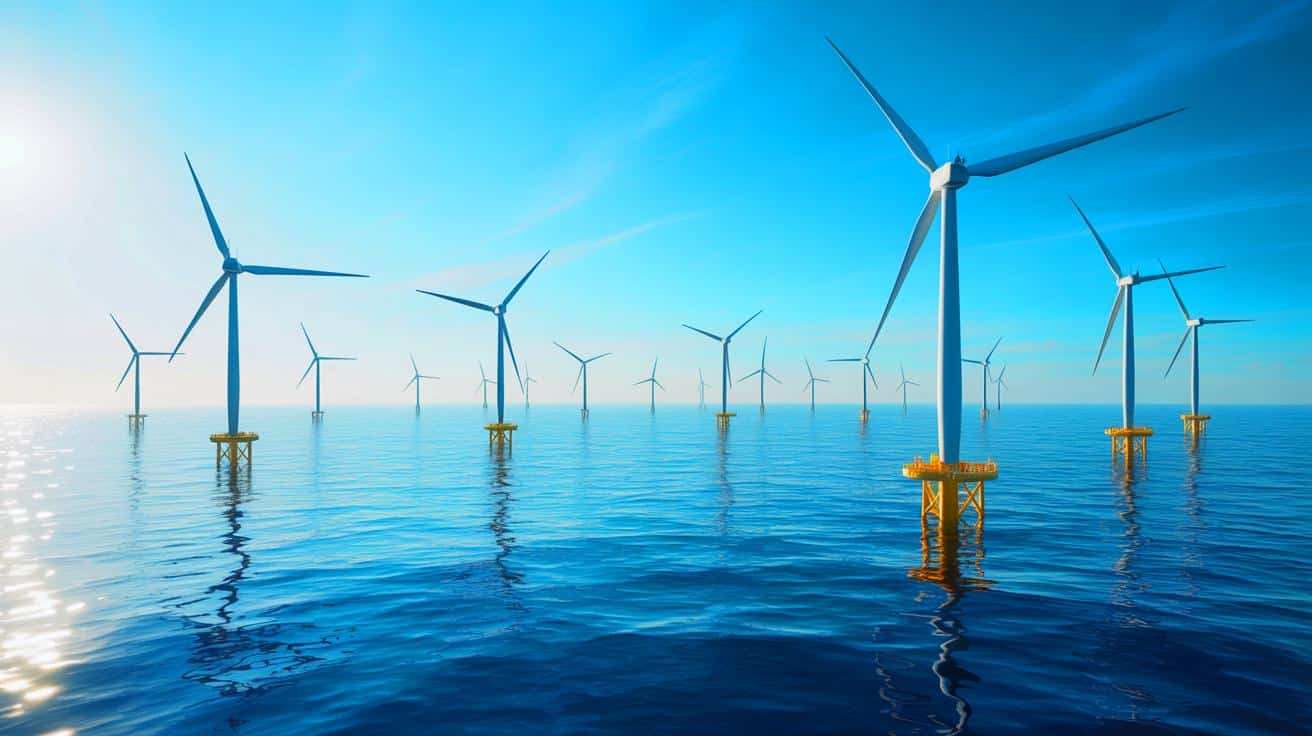
The French government’s strategy involves the construction and operation of three floating offshore wind farms. One is slated for the waters off Southern Brittany, while the remaining two will be located in the Mediterranean Sea. Each of these installations boasts a capacity of 500 megawatts, collectively generating about 6.6 terawatt-hours of electricity annually. This output is enough to supply approximately 450,000 French households with clean energy, marking a crucial addition to France’s renewable energy portfolio.
By targeting offshore areas, France can harness stronger wind resources, thereby increasing efficiency. This move aligns with broader EU goals to enhance the share of renewable energy sources. Moreover, the strategic location of these wind farms in deeper waters allows for reduced visual and environmental impacts, addressing common concerns associated with onshore wind turbines. This initiative is a key step for France and the EU in achieving a sustainable energy future.
Understanding the Funding Mechanism
The financial support for these projects will be awarded through a competitive bidding process, ensuring transparency and fairness. Each offshore zone will see one operator selected, with bidders required to demonstrate supply chain resilience. This requirement aims to reduce reliance on Chinese imports for critical wind turbine components, fostering regional industry growth.
The funding will be structured as a two-way contract for difference (CfD), a mechanism that stabilizes revenue for renewable energy producers. Under this system, if market electricity prices fall below a set reference price, the government compensates the difference. Conversely, if prices exceed the reference, developers must pay the surplus back to the state. This approach aims to protect public funds while providing financial stability for energy producers, encouraging investment in sustainable technologies.
Aligning With CISAF Objectives
The approval of France’s wind energy project under the CISAF framework highlights the EU’s commitment to climate-neutral industrial development. This framework, operational until December 31, 2025, allows EU member states to provide targeted aid in various clean technology sectors. These sectors include renewable energy acceleration, temporary electricity price relief, industrial decarbonization, clean technology manufacturing capacity, and investment de-risking mechanisms.
France’s offshore wind scheme is fully compliant with CISAF provisions, ensuring that the project is competitively designed and contains safeguards against market distortions. This compliance reflects the EU’s broader strategy to support innovative projects that contribute to a sustainable and competitive energy market. The scheme not only addresses immediate energy needs but also lays the groundwork for long-term industrial and environmental benefits.
The Transformative Potential of Floating Offshore Wind
Floating offshore wind technology represents a significant advancement in renewable energy production. Unlike fixed-bottom turbines, floating wind farms can be deployed in deeper waters, accessing more robust and consistent wind resources. This capability is particularly advantageous for countries with deep coastal waters, such as France, Norway, and Spain.
Floating turbines offer greater flexibility in site selection, minimizing visual and environmental impacts on shorelines. As the technology becomes more cost-effective and supply chains mature, floating offshore wind farms are poised to become a cornerstone of Europe’s energy infrastructure. This development not only supports energy independence but also plays a vital role in reducing carbon emissions across the continent.
A Wind of Change for Europe
The European Commission’s endorsement of France’s €11 billion investment in offshore wind energy signifies a pivotal moment for renewable energy in Europe. By embracing floating wind technology, the continent is enhancing its renewable energy capacity and reinforcing its leadership in clean tech innovation. This strategic move demonstrates how coordinated policy efforts, competitive markets, and strategic investments can accelerate the transition to a sustainable energy future.
As Europe continues to navigate the challenges of climate change, initiatives like France’s wind energy plan highlight the potential for transformative change. The EU’s commitment to renewable energy not only addresses immediate environmental concerns but also paves the way for long-term economic and industrial resilience. What other innovative strategies could further enhance Europe’s renewable energy landscape?